Key Takeaways
- PE sintered cartridges improve efficiency by stabilizing flow and pressure drop (ΔP)—less “mystery clogging,” fewer production tantrums.
- Their rigid porous structure supports repeatable filtration across batches, especially for water-like streams and pre-filtration.
- In the right applications, they extend run time via depth filtration (capturing particles inside the pore network, not just on the surface).
- They can fit hygienic operations when paired with proper housing design + cleaning validation—the cartridge is only half the hygiene story.
- The fastest way to waste money is to spec by micron rating alone. Efficiency depends on pore distribution, thickness, flow, and your product’s “gunk personality.”
Introduction
If you’re in food processing, you already know the villain. It’s not bacteria in a lab coat twirling a mustache. It’s downtime—that slow, expensive bleeding of minutes and batches while someone mutters, “The filter’s plugged again.”
So how do PE sintered filter cartridges improve filtration efficiency in food processing? Simple: they give you predictable flow, stable pores, and depth capture that can run longer before ΔP spikes—especially in pre-filtration, water systems, brine, syrups (depending on viscosity), and process utilities. Done right, they reduce changeouts, smooth out batch-to-batch variation, and help you hit quality targets without turning your line into a stop-and-go traffic jam.
Let’s get practical. Not brochure-practical. Real-plant practical.
What “Filtration Efficiency” Really Means in a Food Plant
People love to throw around the word “efficiency” like it’s a magical spice you can sprinkle on a process. In food processing, filtration efficiency usually boils down to four brutally measurable things:
- How clean is the product or process fluid? (turbidity, particles, visual defects, downstream membrane protection)
- How stable is the flow rate? (because pumps and fillers hate drama)
- How long can you run before ΔP forces a shutdown?
- How reliably can you clean and validate the system? (CIP, sanitation cycles, allergen control)
A filter that captures particles but kills flow is not “efficient.” It’s a very expensive plug.
Why PE Sintered Cartridges Behave So Well in Many Food Applications
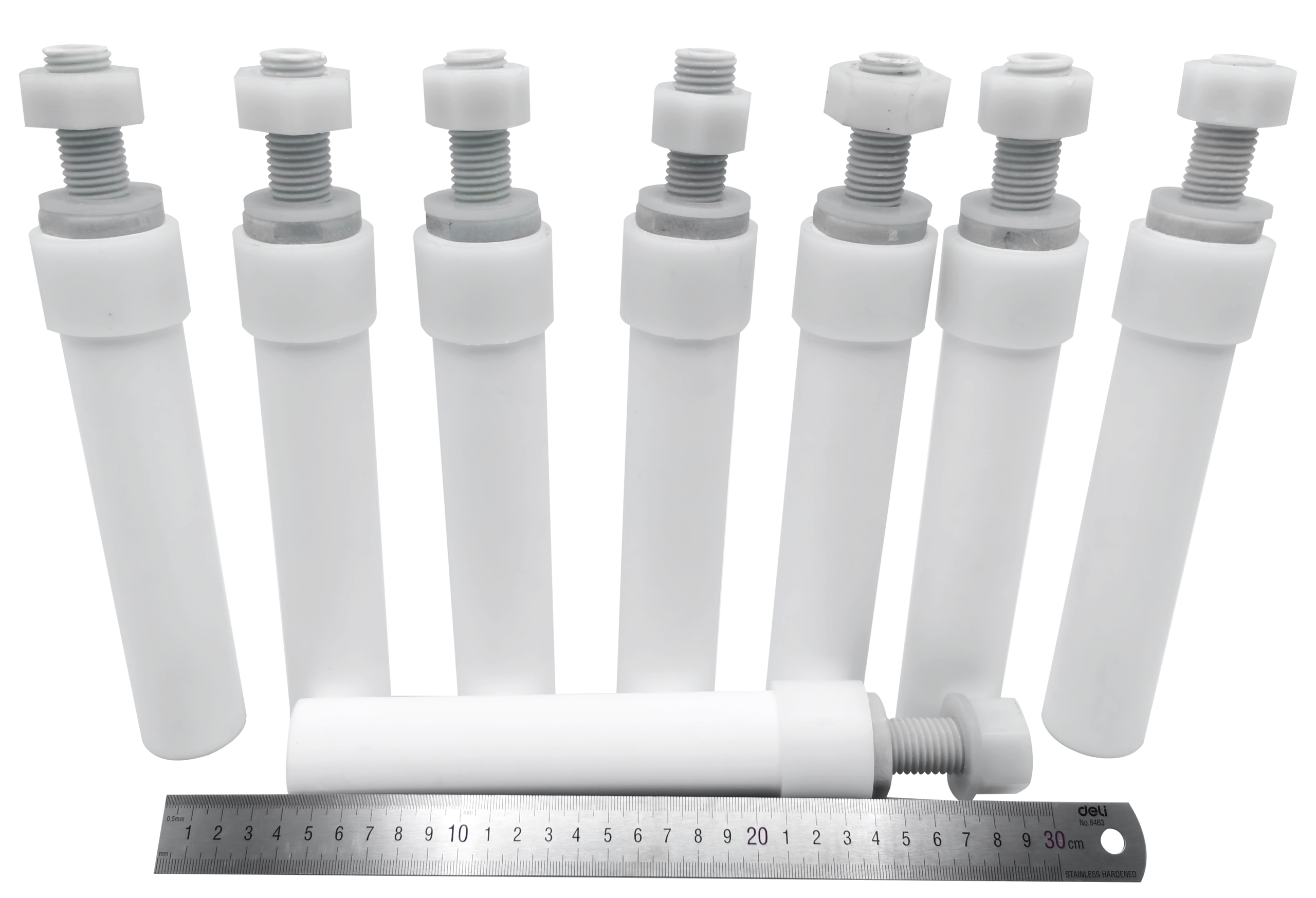
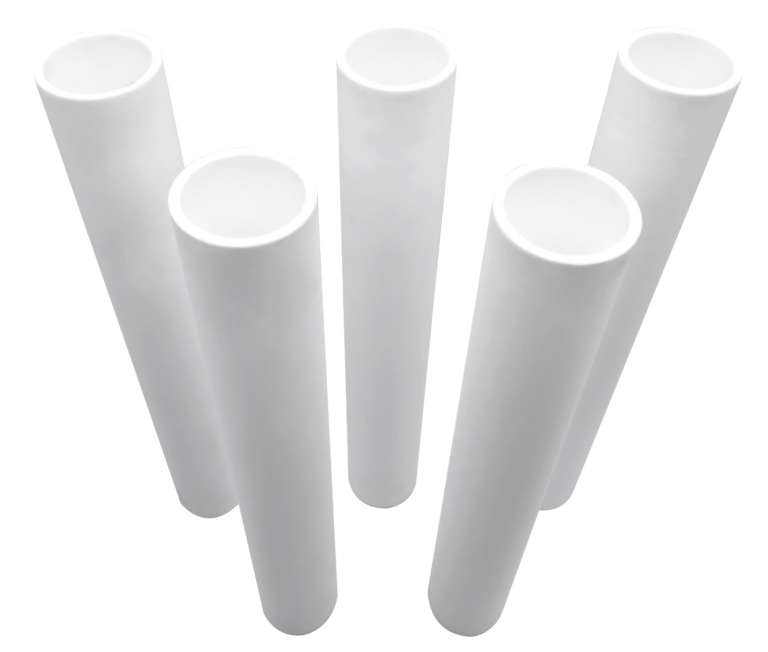
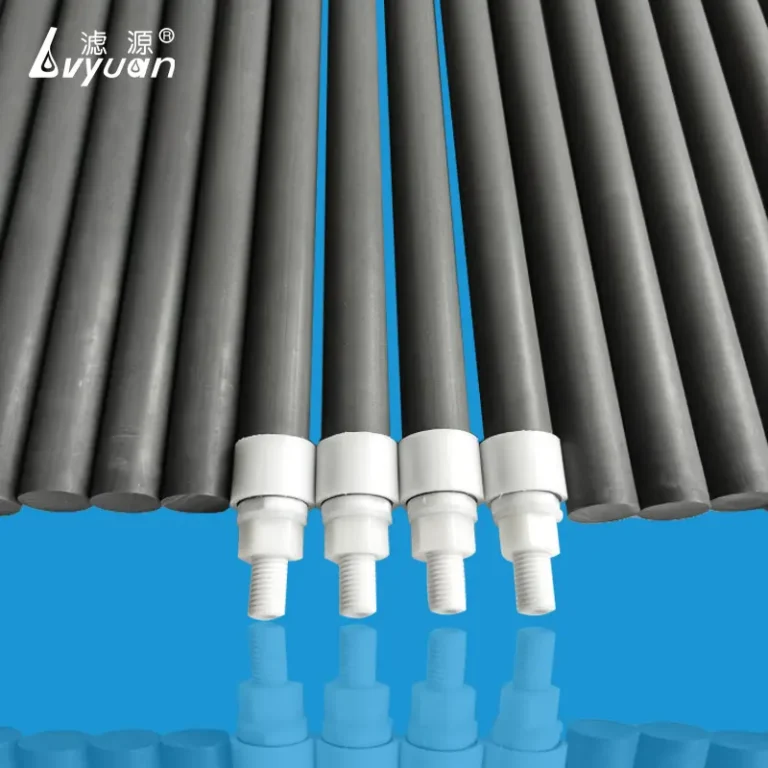
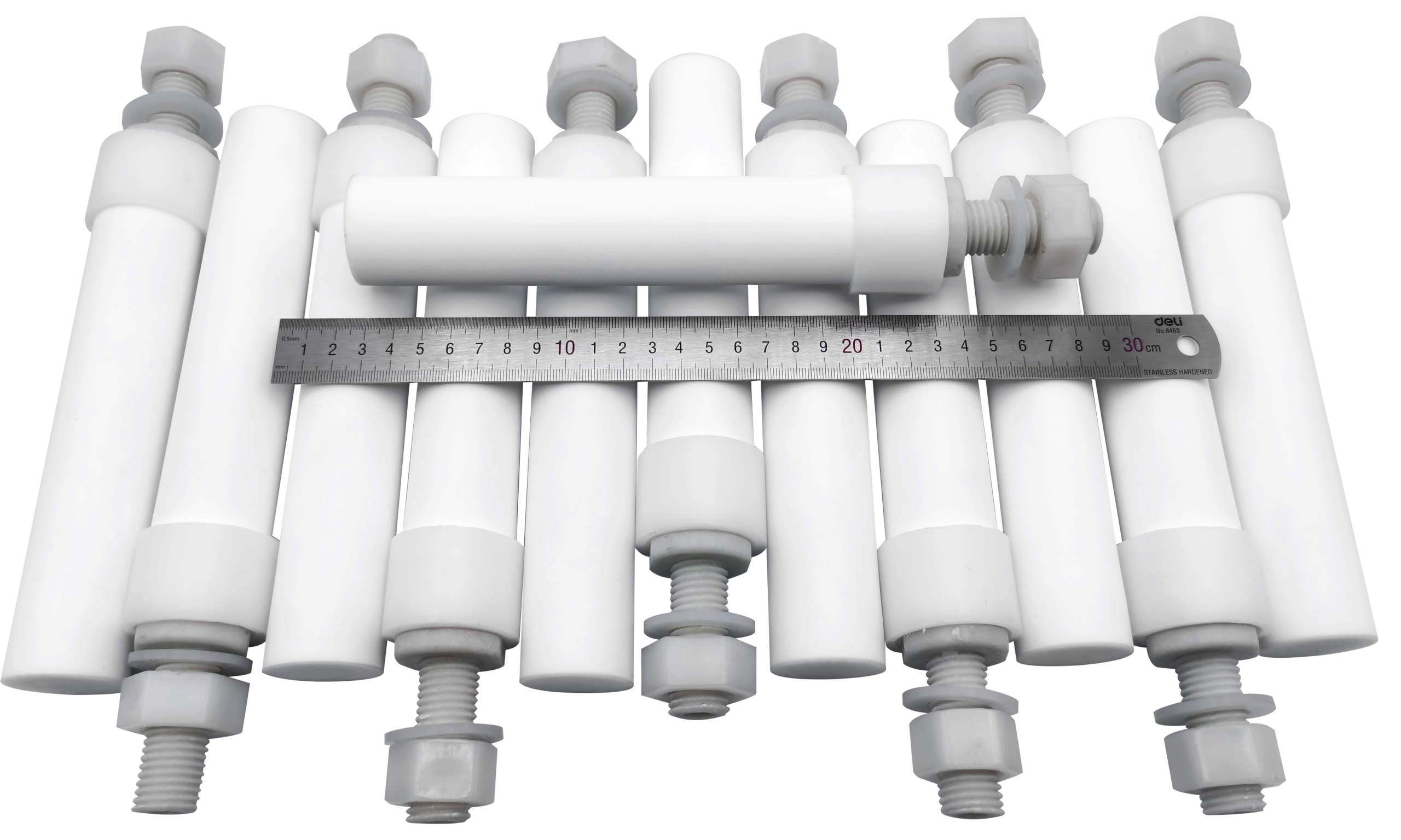
A sintered PE cartridge is a self-supporting porous body. It doesn’t rely on a delicate pleat pack or a soft fibrous mat to keep its shape.
That rigidity matters because food plants don’t run under “perfect laminar flow, no pressure pulses, everyone gentle.” They run under:
- pump startups and shutoffs
- pressure fluctuations
- occasional water hammer
- operators who tighten housings like they’re sealing a submarine hatch
Rigid structure = fewer surprises.
2) Depth Filtration = Longer Runs (When Your Solids Are the Right Kind)
Here’s the mental model I use:
- Surface filtration is a bouncer at the door. Particles pile up at the entrance. ΔP rises fast.
- Depth filtration is a maze. Particles get trapped throughout the structure. ΔP rises slower (until it doesn’t).
PE sintered cartridges, in many cases, behave like that maze. For certain particulate profiles—especially fine but non-sticky solids—they can extend run time and reduce the “change filter every time the line sneezes” routine.
3) Stable Pore Network = Repeatable Results Across Batches
Food plants live on repeatability. If batch A flows at 60 L/min and batch B crawls at 35 L/min with the same cartridge, you get:
- inconsistent processing time
- inconsistent mixing and dosing behavior
- inconsistent QA outcomes
- inconsistent operator mood (this one is underrated)
A well-specified PE sintered cartridge can help stabilize filtration behavior across shifts and batches—especially when the upstream solids load isn’t wildly swinging.
4) They Can Be a Hygiene-Friendly Choice (But Don’t Kid Yourself)
Let me be blunt: no filter is “hygienic” by itself. Hygienic design is a system property.
PE sintered cartridges can support hygienic processing because they’re:
- non-fibrous (no shedding like some media types)
- structurally stable (less deformation = fewer weird gaps)
- compatible with many cleaning approaches in mild conditions
But if your housing has dead legs, poor drainage, or seals that trap product, your “hygienic filter” becomes a very expensive petri dish.
Where PE Sintered Cartridges Help Most in Food Processing
H2: Process Water, Ingredient Water, and Utility Filtration
This is the “quiet win” category. Filtration efficiency often improves most when you stop letting utility streams sabotage everything downstream.
PE sintered cartridges can be useful for:
- process water pre-filtration
- cooling water loops (where allowed)
- rinse water solids control
- protecting spray nozzles from particulate clogs
H2: Brines, Sugar Solutions, and Mild Aqueous Streams
If you’re filtering brine or mild aqueous solutions, PE can deliver steady performance—especially when you need a rugged element that won’t crumble under frequent maintenance cycles.
Sugar syrups get tricky because viscosity is the boss. PE can still work, but your ΔP math must be honest.
H2: Pre-Filtration Before Fine Membranes or Final Filters
This is where efficiency becomes a domino effect. A PE sintered cartridge upstream can protect:
- membrane filters
- finer cartridges
- sensitive equipment (fillers, dosing valves, heat exchangers)
Protecting expensive downstream filtration is one of the most financially attractive uses of PE sintered elements.
The Stuff That Ruins Efficiency (Even With the “Right” Cartridge)
1) Micron Rating Worship
If you take nothing else, take this: “10 micron” is not a complete specification.
You need:
- target flow at defined ΔP
- pore distribution expectations
- cartridge geometry (OD/ID/length)
- wall thickness
- expected solids loading and particle type
A “5 micron” cartridge running at the wrong flow is like using a coffee filter to strain soup. You’ll get something, but not what you want.
2) Product “Gunk Personality”
Food streams are weird. They’re not just “liquid + particles.” They’re:
- fats and oils
- proteins
- starches
- pectin
- microbubbles
- sticky fines that behave like wet cement
Depth filters love certain solids. They hate others. Sticky, gelatinous, or smear-prone contaminants can blind pores quickly. That’s not a PE problem; that’s physics again, showing up uninvited.
3) Bad Cleaning Assumptions (CIP Isn’t Magic)
CIP is powerful—when it’s validated. But I’ve seen plants assume CIP “cleans everything,” while the filter slowly accumulates a private museum of residues.
If you plan to reuse cartridges:
- define cleaning chemistry compatibility
- define temperature and contact time
- validate soil removal (especially allergens)
- define maximum reuse cycles
If you don’t validate, you’re not cleaning—you’re just rinsing with confidence.
How to Spec PE Sintered Cartridges for Food Processing (My “No Regrets” Checklist)
H3: Start with these 8 questions
- What are you filtering—process water, brine, syrup, product, CIP return?
- What’s the operating temperature (normal and worst-case)?
- What’s the target flow rate, and what ΔP can you tolerate?
- What’s the contaminant type (hard grit, soft gel, fibrous stuff, fats)?
- What’s the solids loading over time (stable or spiky)?
- What cleaning method will you use (backwash, CIP, ultrasonics)?
- Are there allergen concerns that demand strict validation?
- What’s the housing design (drainability, seals, dead legs)?
Answer these, and material selection becomes science, not superstition.
H3: Pilot testing beats arguing
I honestly believe pilot testing is the most underused superpower in filtration. Even a small trial run measuring:
- initial ΔP
- ΔP rise curve over time
- visual quality / turbidity changes
- cleaning recoverability
…will save you months of guesswork and a stack of disappointed purchase orders.
FAQ (People Also Ask)
How do PE sintered filter cartridges improve filtration efficiency in food processing?
They improve efficiency by delivering stable pore structure, enabling depth capture, and maintaining more predictable flow and ΔP behavior in suitable streams—reducing changeouts and protecting downstream filtration.
They can be used in food processing systems, but suitability depends on the exact PE grade, regulatory requirements, and system design. Always confirm material compliance with your local food-contact regulations and your plant’s validation standards.
Can PE sintered cartridges be cleaned with CIP?
Often, yes—within compatibility limits. CIP success depends on soil type (fats/proteins/starches), cleaning chemistry, temperature, and time. If allergens are involved, cleaning must be validated, not assumed.
What micron rating is best for food processing filtration?
There’s no universal “best.” It depends on the contaminant and downstream equipment sensitivity. Select based on the particle removal target, then validate via flow rate and ΔP behavior under real operating conditions.
When should I choose PP or PTFE instead of PE?
Choose PP or PTFE when your stream has more aggressive chemistry or higher temperatures. PTFE is the go-to for harsh chemicals; PP is a strong general-purpose option for many industrial fluids.
The Bottom Line
PE sintered filter cartridges can absolutely boost filtration efficiency in food processing—but not because they’re magical. They win because they’re predictable, tough, and structurally suited to stable, repeatable filtration—especially in utility streams and pre-filtration roles that quietly decide whether your line runs smooth or stutters like an old engine.
If you paste your Internal Links JSON, I’ll rework this post with 5–8 exact keyword links placed naturally, plus I can tailor sections to your specific sub-industry (dairy, beverage, brewing, edible oils, sauces, confectionery) so it feels like it was written by someone who’s actually watched a filler line stop mid-shift.