Key Takeaways
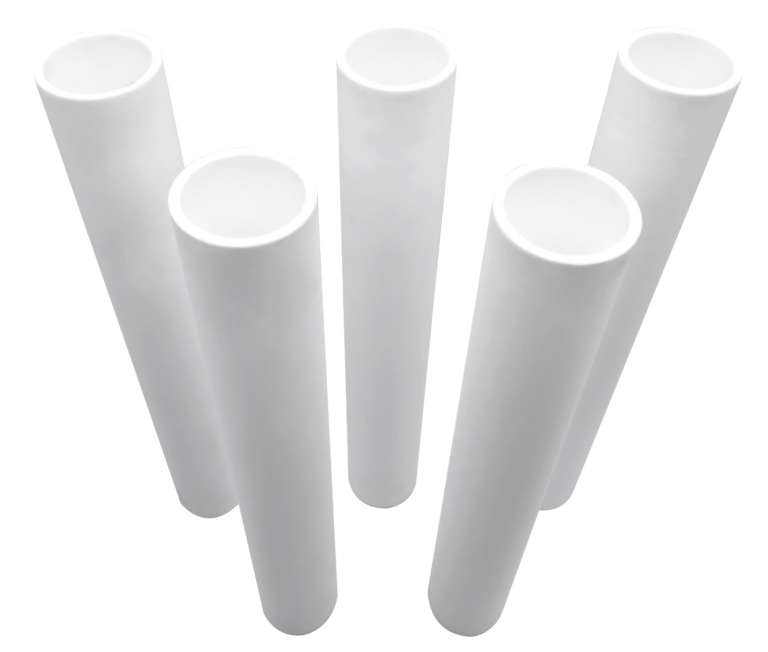
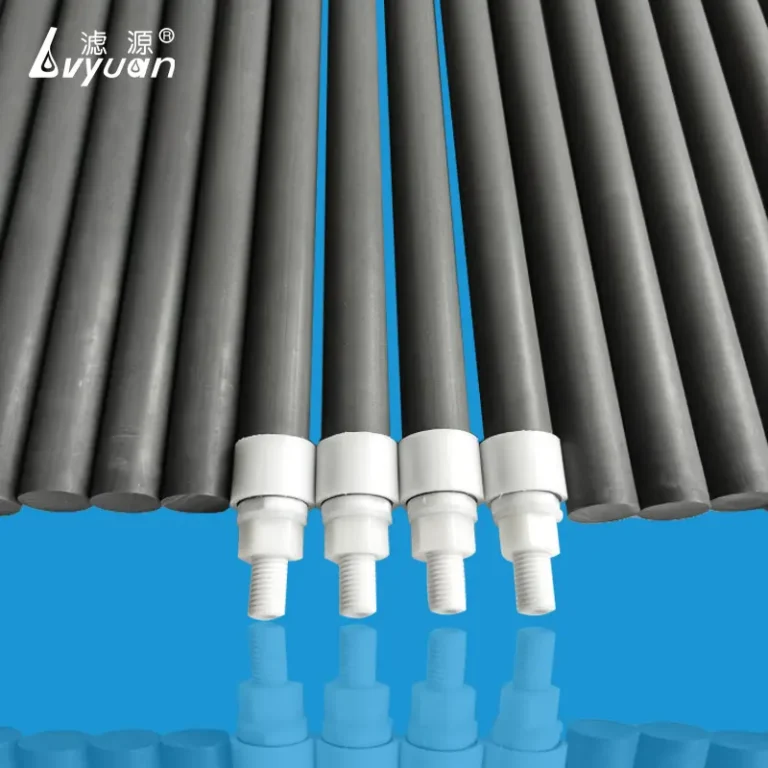
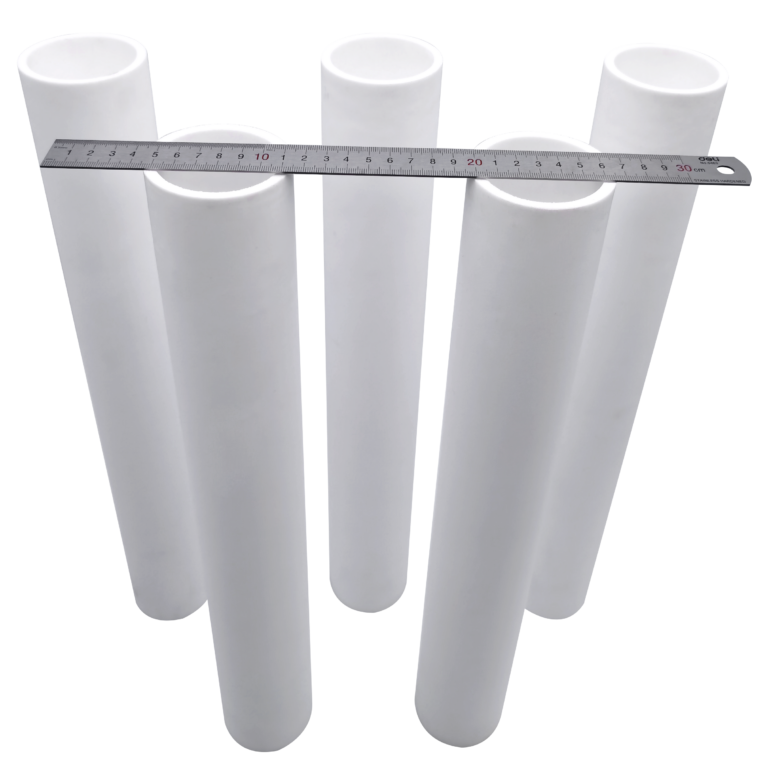
- PTFE sintered cartridges protect equipment by blocking abrasive particles before they reach pumps, valves, seals, and instruments.
- PTFE’s superpower is chemical inertness—it keeps its shape when many plastics swell, soften, or crack.
- The “win” isn’t only filtration; it’s less downtime, stable pressure drop, and fewer mystery failures.
- Spec it like you mean it: pore rating + flow + ΔP + temperature + cleaning chemistry + sealing material.
- Biggest mistake I see: treating “PTFE” as a magic word while ignoring housing design and gaskets.
Direct answer (first 100 words)
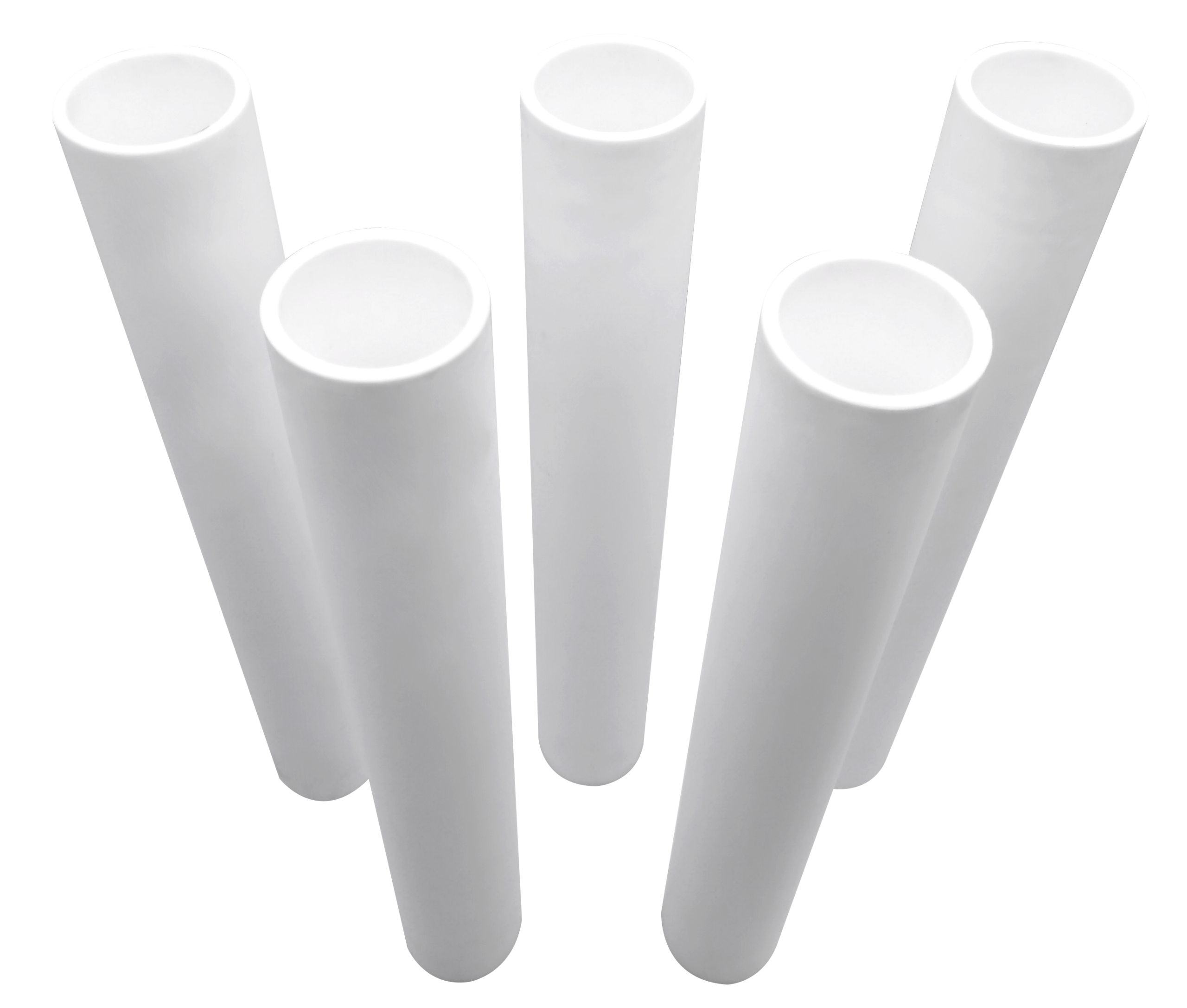
PTFE sintered filter cartridges protect equipment in harsh chemical environments by acting as a tough, chemically inert barrier that removes particulates and prevents abrasive or corrosive debris from reaching sensitive components like pumps, control valves, mass flow controllers, spray nozzles, and seals. Because sintered PTFE resists attack from many solvents, acids, and aggressive process fluids, it maintains pore structure and flow performance longer than many polymer alternatives—reducing clogging, seal wear, and unplanned shutdowns. In practice, it’s less “a filter” and more a sacrificial bodyguard for your most expensive hardware.
Introduction: Your pump doesn’t die from drama. It dies from sand.
Most equipment failures in chemical service aren’t cinematic. No sparks. No heroic last words.
It’s usually something painfully boring: tiny particles. Abrasive fines. Sludge you didn’t know you had. A “harmless” bit of catalyst dust that turns a pump seal into confetti.
And the ugly truth? You can buy a better pump… or you can stop feeding your current pump a steady diet of grit.
That’s where PTFE sintered cartridges earn their keep.
H2: What makes harsh chemical environments so brutal on equipment?
Harsh chemistry is a two-headed monster:
H3: Chemical attack (swelling, cracking, embrittlement)
Many filter materials look fine on day one. Then your solvent shows up like a tax auditor—quiet, thorough, unforgiving. Media swells, bonds weaken, pore structures drift, and suddenly your “rated performance” becomes interpretive art.
H3: Mechanical wear (abrasion + cycling)
Even if the chemistry is “compatible,” solids still chew up hardware:
- pump seals and bearings
- valve seats
- injectors and spray nozzles
- flow meters and pressure sensors
Particles don’t need to be big to be deadly. They just need to be persistent.
H2: Why sintered PTFE is a different kind of filter
Sintered PTFE isn’t a flimsy sheet pretending to be tough. It’s more like a porous brick—still full of pathways for flow, but structurally stubborn.
H3: Chemical resistance that stays boring (the best compliment)
I honestly believe boring is the highest praise in chemical processing. PTFE tends to stay boring across a wide range of aggressive fluids—meaning fewer surprises, fewer emergency changeouts, fewer “why is ΔP spiking again?” meetings.
H3: Depth-style particle capture that protects downstream components
Sintered structures don’t just “screen” particles; they trap and distribute them through a porous network. That matters because it can reduce localized blinding and help maintain usable flow longer in dirty service.
H3: Thermal stability for hot lines and nasty cleaning cycles
Hot solvents. Heated recirculation. Cleaning steps that feel like punishment. PTFE generally tolerates high temperatures well—but (and this matters) your gaskets, end caps, and housing might not. Don’t spec media in isolation.
H2: Where PTFE sintered cartridges protect equipment (real-world use cases)
Let’s get practical. Here’s where I see them saving money fast:
H3: Pump protection in solvent transfer and chemical recirculation loops
Put the cartridge upstream of the pump and you reduce abrasive wear. Simple. Effective. Often ignored until the third seal failure.
H3: Valve and actuator protection in dosing and metering systems
Control valves hate grit. Grit causes leakage, hysteresis, and unstable control loops. If your dosing accuracy matters, particle control is not optional.
H3: Nozzle and spray system protection
Nozzles clog, pattern quality degrades, and people blame the chemical. It’s often the particles. Filtration here is cheap insurance.
H3: Instrument protection (flow meters, pressure sensors, MFCs)
Instruments are sensitive and expensive. They should not be your first line of defense. They should be protected like VIPs.
H2: The specification checklist (don’t buy PTFE “vibes”)
If you want predictable performance, force the conversation into numbers:
H3: Filtration & flow
- pore rating (and whether it’s nominal vs absolute)
- required flow rate at defined ΔP
- expected solids loading and acceptable service interval
H3: Process conditions
- temperature range (normal + upset)
- chemical list (include cleaners—CIP solvents matter)
- viscosity and any two-phase risk (gas + liquid, vapor flashes)
H3: Hardware & seals (where projects go to die)
Pick sealing materials based on chemistry and temperature. I’ve seen “perfect PTFE media” paired with the wrong elastomer—then everyone blames the filter when bypass happens.
FAQ (People Also Ask)
Do PTFE sintered cartridges work with strong solvents?
Often yes, and that’s a major reason people choose them. But “solvent compatible” isn’t one-size-fits-all—validate against your exact chemical mix, temperature, and exposure time (including cleaning agents).
Are PTFE sintered filters better than PP cartridges in harsh chemistry?
In many aggressive chemical services, PTFE offers stronger resistance and stability than PP. The tradeoff is usually cost—PTFE pays you back when downtime, failures, or contamination are expensive.
What equipment benefits most from PTFE sintered filtration?
Pumps, control valves, seals, nozzles, and sensitive instruments (flow meters, pressure sensors, mass flow controllers). If it has tight tolerances, it hates particles.
What’s the biggest mistake when specifying PTFE sintered cartridges?
Assuming the media alone guarantees success. Housing design, drainage, orientation, and gasket compatibility can make a great cartridge look “bad.”
Can PTFE sintered cartridges be cleaned and reused?
Often yes—depending on the fouling type and cleaning chemistry. Reuse is where sintered structures can shine, but only if you set cleaning acceptance criteria and track performance over cycles.
The Bottom Line
Harsh chemical environments don’t forgive weak materials—or lazy specs. PTFE sintered cartridges protect equipment the unglamorous way: by surviving the chemistry and intercepting particles before they grind your hardware into downtime.
If you want, paste your Internal Links JSON and I’ll produce a tighter WordPress-ready version that embeds 5–8 internal links using your exact anchor keywords—no forced placements, no made-up URLs.