Contact our boss directly.
Don’t wait — our boss replies within 20 minutes to all inquiries.
Submit your question now and get professional feedback, accurate pricing, and technical advice — fast.

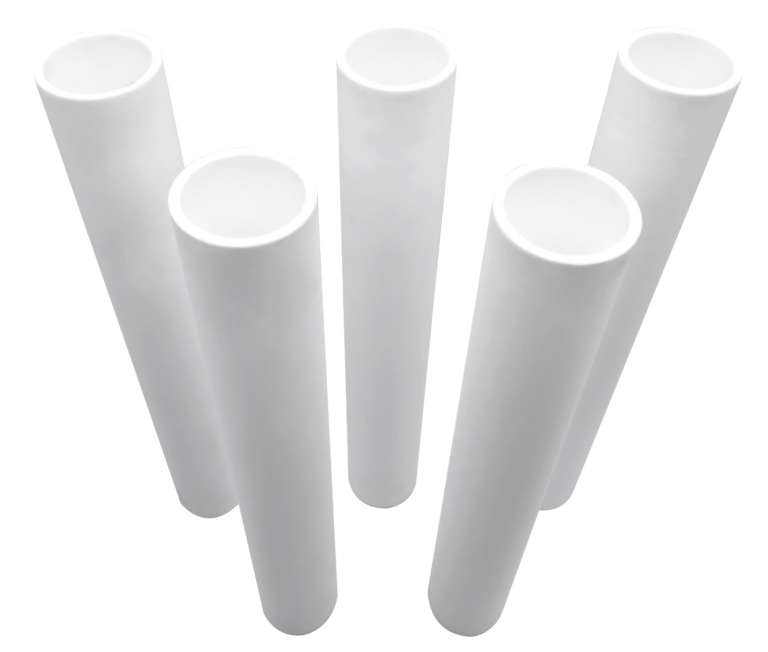
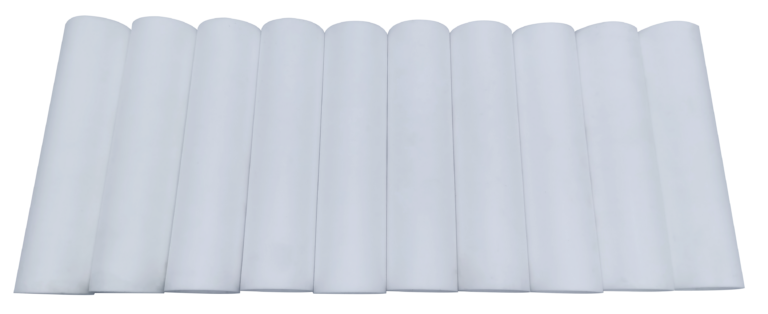
PTFE isn’t popular because it’s trendy. It’s popular because it refuses to die—under solvents, heat, moisture, and ugly real-world processes. Here’s why PTFE filters keep winning in both gas and liquid filtration systems, plus what people get wrong when they specify them.

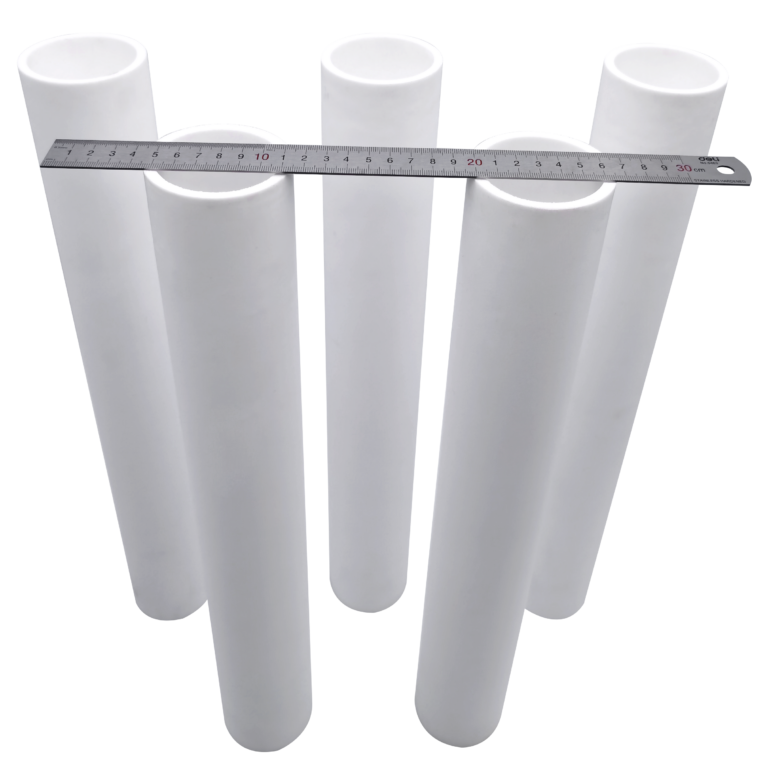
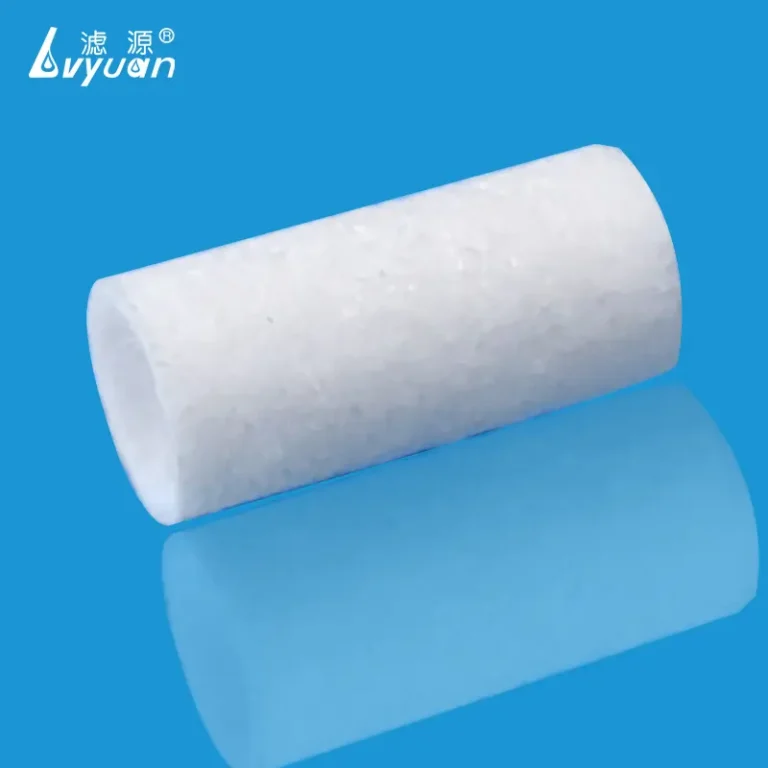
Harsh chemicals don’t just damage product quality—they quietly chew up pumps, valves, and sensors. PTFE sintered filter cartridges act like a rugged “front-line shield,” stopping particles and surviving solvents that ruin other media.

Nylon (PA) sintered filter cartridges are the “work boots” of porous plastics—tough, efficient, and surprisingly versatile. Here’s how they perform, where they shine, and how to choose the right spec without buying problems.

PTFE sintered filter cartridge, high temperature filtration, chemical compatibility, corrosive filtration, hydrophobic filter, pressure drop, industrial filtration, PTFE porous plastic

PP can handle heat better than most people expect—until ΔP, time, and mechanical stress turn “high temperature” into “high regret.” This guide explains where PP sintered cartridges truly work at elevated temperatures, where they don’t, and how to spec them so they survive.

PP filters aren’t the “sterile final filter” hero most people think of—but they’re everywhere in pharma for a reason. This guide explains where polypropylene filters fit in GMP manufacturing, how they protect downstream steps, and what validation teams actually care about.

PP sintered filters aren’t “cheap.” They’re cost-effective—when you count downtime, changeouts, pump energy, and rejected product. This guide breaks down the real economics, where PP wins, where it doesn’t, and how to spec a cartridge that saves money instead of creating hidden costs.
PP sintered cartridges are the “workhorse” of chemical filtration—cheap enough to scale, tough enough to trust, and versatile enough to show up everywhere. This guide explains where PP shines, where it doesn’t, and how to spec it so you avoid leaks, cracks, and downtime.
Harsh environments don’t break filters politely—they grind them down, swell them up, or crack them at the worst time. Here’s a practical, field-tested way to judge how durable PE sintered filters really are, what kills them, and how to spec them to survive.
Food plants don’t forgive filtration mistakes. PE sintered filter cartridges can boost efficiency by stabilizing flow, reducing clogging surprises, and surviving real-world cleaning cycles—when you spec them correctly. Here’s where they shine, where they don’t, and how to avoid costly QA drama.
PE sintered filters don’t get the spotlight like PTFE, but they quietly win in real factories: tough, consistent, cost-smart, and easy to integrate. This guide breaks down where PE shines, where it doesn’t, and how to spec it so it behaves in production.
Overflow filters are the unsung bouncers of healthcare fluid systems: they keep liquids from storming places they don’t belong. When they’re missing—or wrong—devices get contaminated, maintenance gets ugly, and downtime gets expensive. Let’s talk about what they do, where they fail, and how to choose them.