Key Takeaways
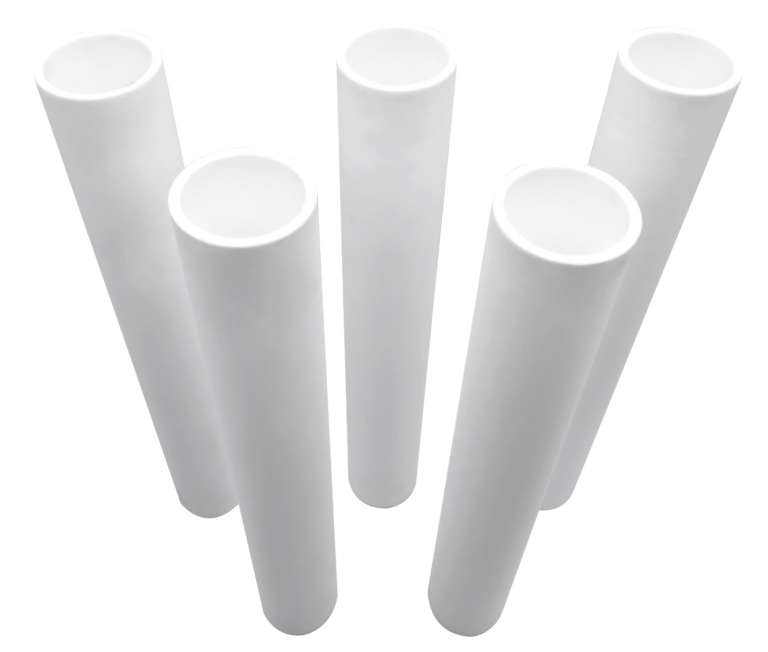
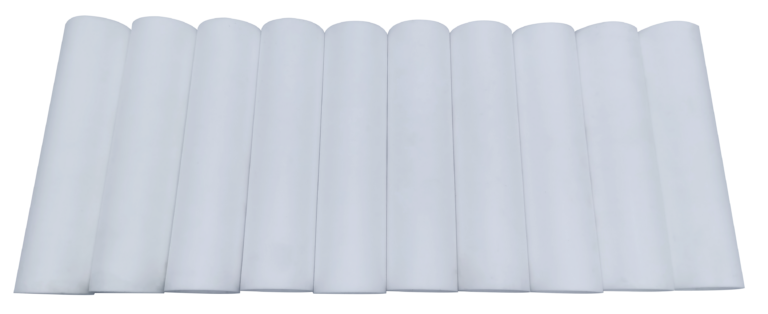
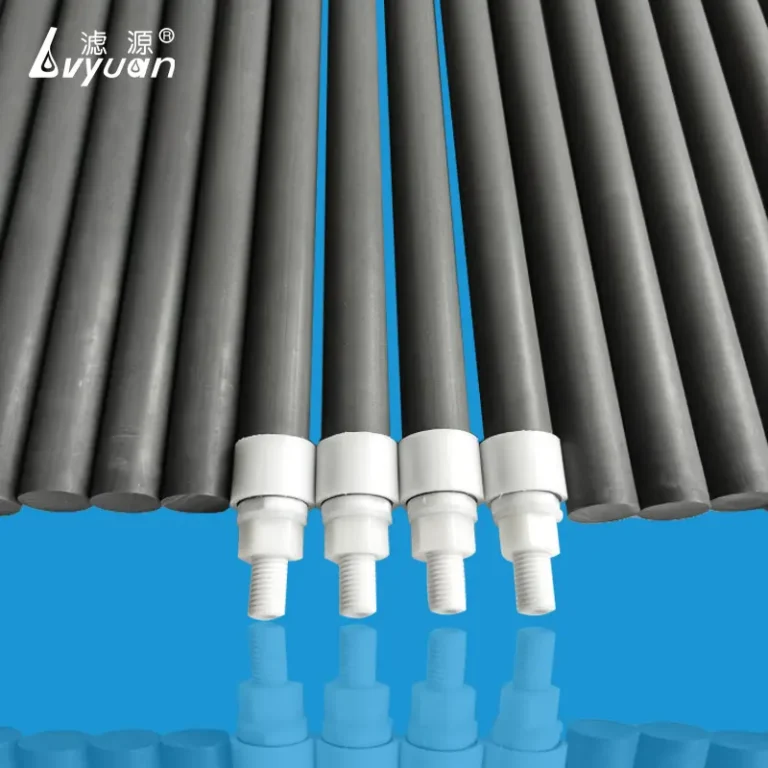
- PTFE sintered filter cartridges are a top solution for harsh filtration because PTFE is chemically inert and maintains stability at elevated temperatures where many plastics creep, swell, or crack.
- The biggest PTFE mistakes aren’t chemical—they’re wetting (PTFE is hydrophobic) and system design (ΔP, support, sealing).
- If your process includes strong acids, caustics, aggressive solvents, or hot chemical baths, PTFE often reduces failures tied to swelling, embrittlement, and stress cracking.
- “High temperature” still requires engineering: temperature × ΔP × time decides deformation risk—even for PTFE-based structures.
- Spec PTFE like a pro: define chemistry, temperature profile, flow, ΔP limits, particle type, and cleaning cycles—not just “5 micron.”
Introduction
You’re here because you have a process that’s trying to eat filters for breakfast. Hot chemicals. Corrosive streams. Solvents that make lesser plastics look like wet cardboard. And you want something that just… behaves.
Here’s the direct answer: PTFE (polytetrafluoroethylene) sintered filter cartridges are widely used for chemical and high-temperature filtration because PTFE is extremely chemically resistant and remains stable at higher temperatures than common porous plastics like PE and PP. That means fewer failures from swelling, stress cracking, and long-term degradation in harsh service. The trade-off? PTFE is hydrophobic (water doesn’t wet it easily), and the system still needs to control differential pressure and mechanical support—because even the best material can be sabotaged by a bad setup.
Now let’s talk about why PTFE wins—and how to keep it from being “overkill that underperforms.”
The “Why PTFE?” Explanation (Without the Brochure Voice)
PTFE has a reputation for being chemically untouchable. That reputation is earned.
H2: PTFE’s chemical superpower: inertness
PTFE’s structure is basically carbon atoms wrapped in fluorine. That fluorine “shield” makes the material stubbornly unreactive in many chemical environments.
In practice, that translates into fewer issues with:
- swelling (dimension drift → seal leaks → bypass)
- embrittlement over time
- stress cracking in harsh fluids
- surface degradation that changes filtration behavior
When you’re filtering corrosives, predictability is gold.
H2: PTFE’s thermal advantage: stability where others creep
In hot service, many polymers don’t “melt”—they creep. Slow deformation under load. The filter changes shape just enough to create sealing issues or performance drift.
PTFE generally holds up better than many commodity plastics in elevated temperature contexts, especially when chemistry is also aggressive.
PTFE Sintered Cartridges: Where They Shine the Brightest
H2: 1) Corrosive Acid Filtration
Strong acids don’t politely ask permission before attacking materials. PTFE is often chosen because it tolerates many acid systems that would punish PE or PP over time.
Use cases include:
- acid transfer and dosing lines
- acid bath filtration
- pickling and surface treatment processes
- chemical manufacturing streams with corrosive components
H2: 2) Caustic / Alkali Filtration (Especially Hot Caustic)
Hot alkalis can be deceptively brutal. PTFE often provides more safety margin when caustic concentration, temperature, or cycle variability makes other plastics unpredictable.
H2: 3) Solvent Filtration (Where Compatibility Gets Tricky)
Solvent families vary wildly, and some will cause swelling or cracking in plastics that look “fine” on paper.
PTFE is often selected when:
- the solvent list is long
- blends change
- trace contaminants appear
- temperature cycles make chemistry more aggressive
If your plant ever says, “We switched suppliers and now the solvent is… slightly different,” PTFE can save you.
H2: 4) High-Temperature Chemical Baths and Heated Process Streams
When you combine heat + chemistry, you basically create a stress test for filtration.
PTFE sintered cartridges often succeed because they resist chemical attack while tolerating elevated temperature better than many alternatives—assuming the system controls ΔP and mechanical support.
The Two Ways PTFE “Fails” (And It’s Usually Not Chemistry)
H2: Gotcha #1 — PTFE Is Hydrophobic (Water Can Be a Pain)
PTFE doesn’t love water. It repels it. That can create:
- slow wet-out
- air entrapment
- unstable initial flow
- higher apparent ΔP until the cartridge is fully wetted
If you install PTFE in an aqueous system and the line behaves like it’s haunted, it may simply be trapped air.
H3: Practical fixes that work
- pre-wetting (process-dependent, only with compatible fluids)
- controlled startup to purge air
- housing venting / air removal design
- avoiding sudden high flow ramps that lock air pockets in place
PTFE isn’t broken. It’s just hydrophobic—like a raincoat.
H2: Gotcha #2 — System Design Still Matters (ΔP, Support, Seals)
Even with PTFE, deformation risk is still governed by:
temperature × ΔP × time
If ΔP is high for long periods, or the cartridge isn’t properly supported, you can see:
- deformation
- seal drift
- bypass paths
- performance variability
And to be painfully clear: in corrosive service, your housing and seals can fail long before PTFE does.
PTFE vs PP vs PE: A Quick “Choose Your Fighter” Guide
H2: Choose PTFE when…
- chemistry is corrosive or solvent-heavy
- temperature is elevated and consistent performance matters
- failure cost is high (downtime, safety, product loss)
- you need the widest chemical safety margin
H2: Choose PP when…
- the chemistry is mostly aqueous with moderate aggressiveness
- temperature is warm-to-hot but not extreme
- you want strong cost/performance with broad utility
H2: Choose PE when…
- conditions are milder (water-like streams)
- mechanical toughness at moderate temps is the priority
- cost sensitivity is high and chemistry is not aggressive
PTFE is often the “don’t surprise me” option. You’re paying for fewer weird failures.
How to Specify a PTFE Sintered Filter Cartridge (So It Works Like It Should)
H2: The spec checklist (copy/paste friendly)
- Fluid identity + concentration (be specific)
- Operating temperature (normal + peaks)
- Flow rate (normal + peak)
- Allowable ΔP (initial and end-of-run)
- Particle type (hard grit vs gels vs fibrous)
- Solids loading profile (steady vs spiky)
- Cleaning cycles (CIP solvents/oxidizers, temperature, frequency)
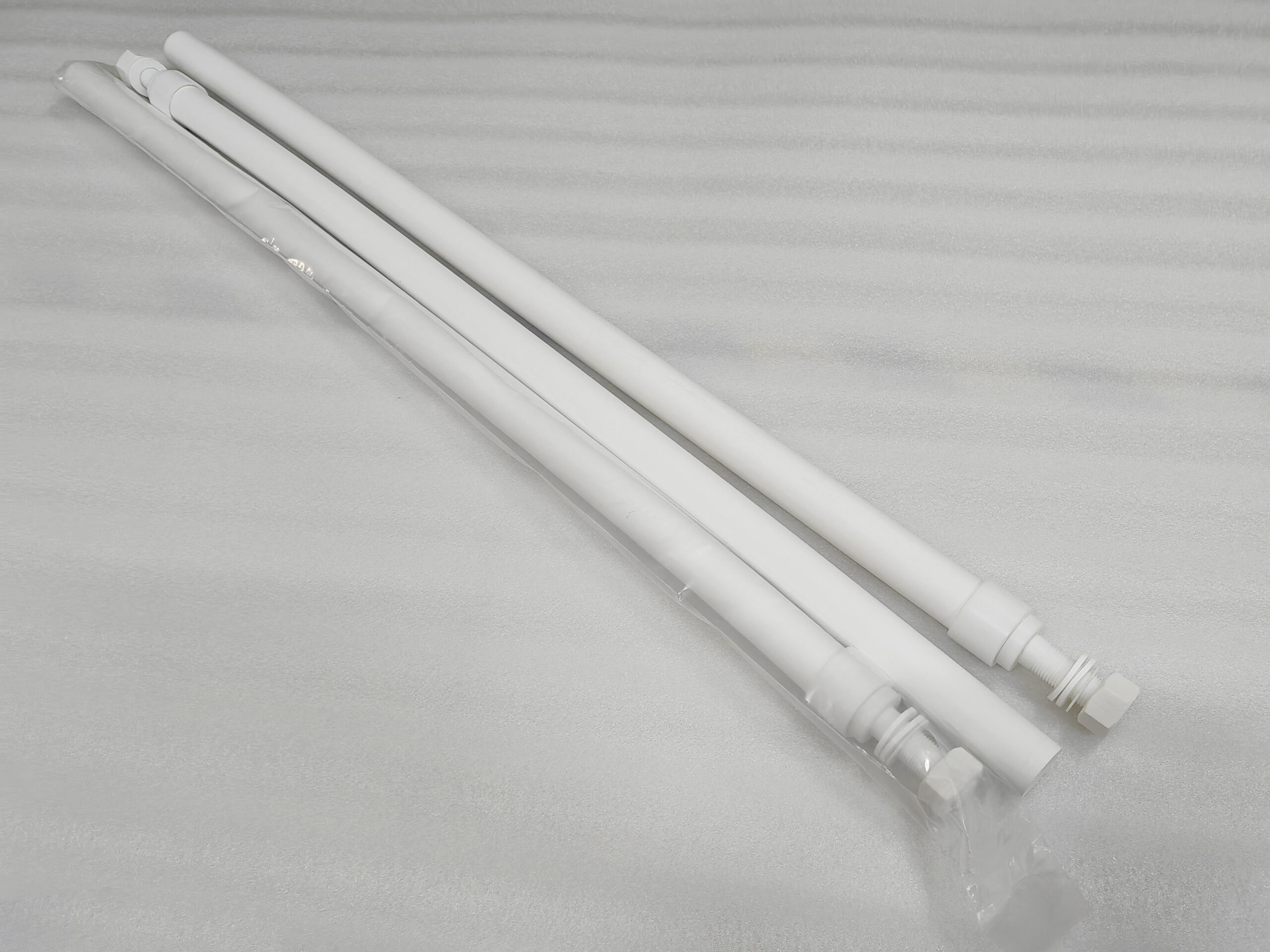
- Geometry (length, OD/ID, wall thickness)
- End connection and seal material (don’t let the O-ring be the weak link)
- Wetting expectations (aqueous vs solvent service, startup behavior)
H3: A hard-earned recommendation
If the system is aqueous and you’re using PTFE, plan for wetting and venting from day one. Don’t “hope it wets.” Hope is not a commissioning strategy.
FAQ (People Also Ask)
What are PTFE sintered filter cartridges used for?
They’re commonly used for filtration in corrosive acids, alkalis, aggressive solvents, and high-temperature chemical processes—especially where chemical compatibility and thermal stability are critical.
Are PTFE filters good for high-temperature filtration?
Yes, PTFE generally performs well at elevated temperatures compared with many plastics, but system design still matters. High ΔP over long periods can cause deformation even in high-performance polymers.
Why do PTFE filters have wetting problems in water?
PTFE is hydrophobic, so water doesn’t wet the pore structure easily. This can trap air and cause unstable initial flow or higher apparent ΔP until fully wetted.
When should I choose PTFE instead of PP?
Choose PTFE when chemistry is highly corrosive, solvent-heavy, or when temperatures and process variability create a high risk of swelling, cracking, or degradation in PP.
In corrosive service, housings, end caps, adhesives (if present), and seals/O-rings often fail first. Material compatibility should be evaluated for the full filtration assembly.
The Bottom Line
PTFE sintered filter cartridges are a solution for chemical and high-temperature filtration because PTFE is stubborn in the best way: it resists chemical attack and stays stable when heat and harsh fluids are trying to ruin your equipment.
But don’t treat PTFE like magic. Design for wetting in aqueous service, control ΔP, provide support, and choose compatible seals and housings. Do that, and PTFE becomes what you actually want from filtration: boringly reliable.
Share your Internal Links JSON, and I’ll re-issue this WordPress-ready post with 5–8 exact internal links inserted naturally using your required keywords and URLs.