Plastic Engineering Plastic Types of Engineering Plastics Common Types

Engineering plastic is a high-performance plastic material widely used in industrial applications. It offers excellent mechanical properties, heat resistance, and chemical resistance for modern engineering systems.
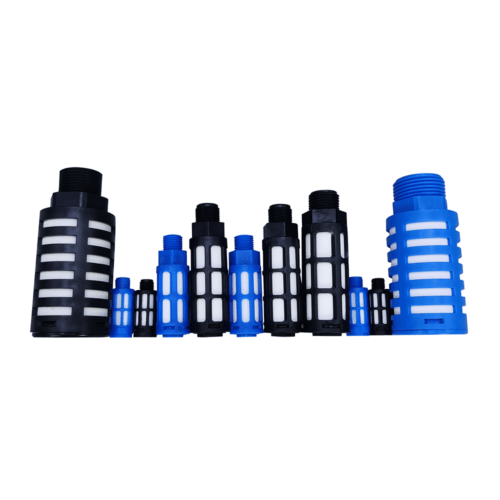
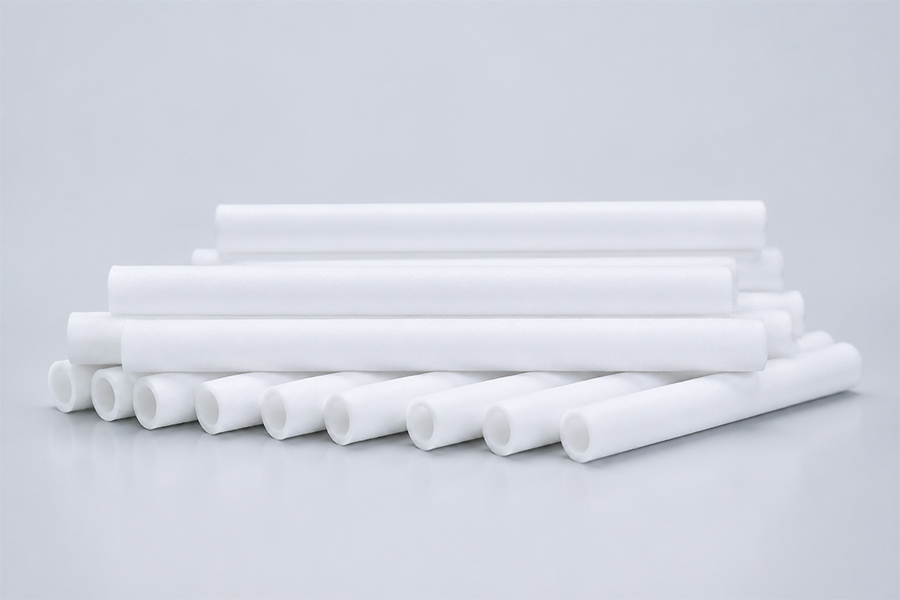
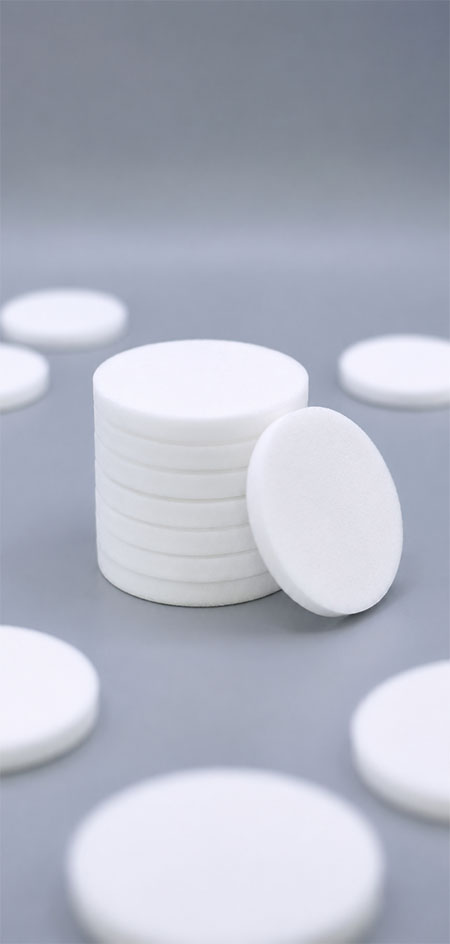
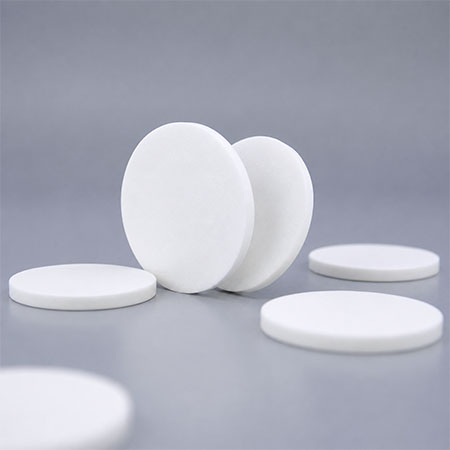
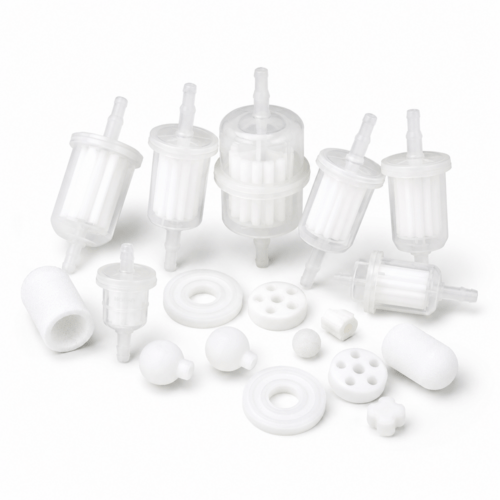
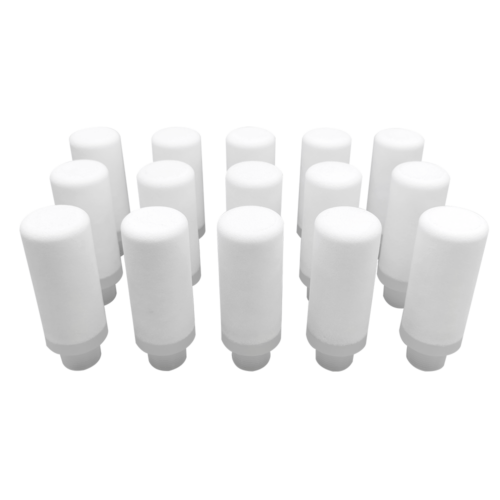
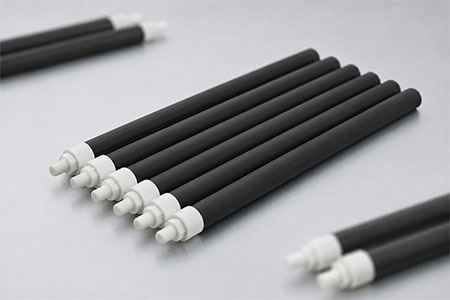
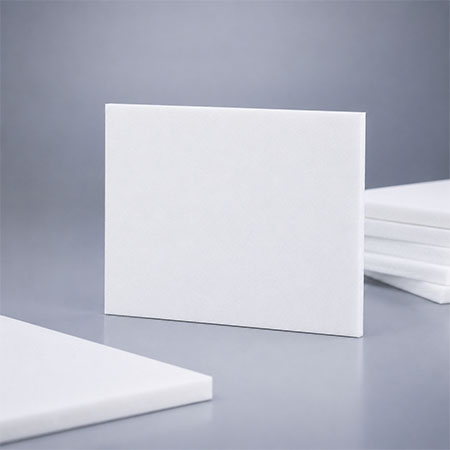
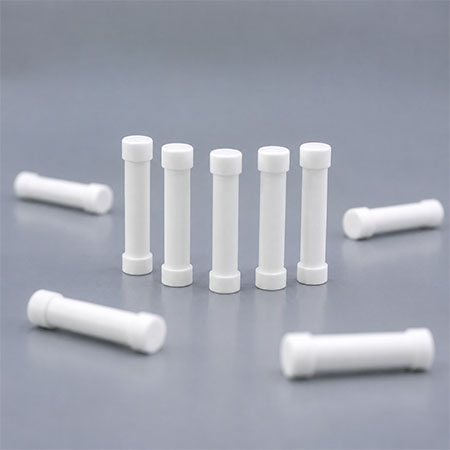
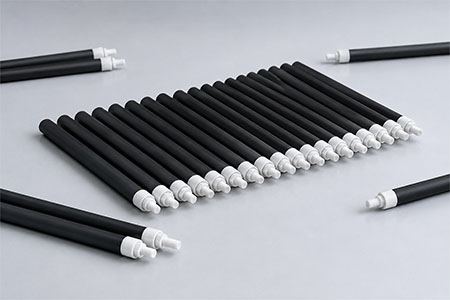
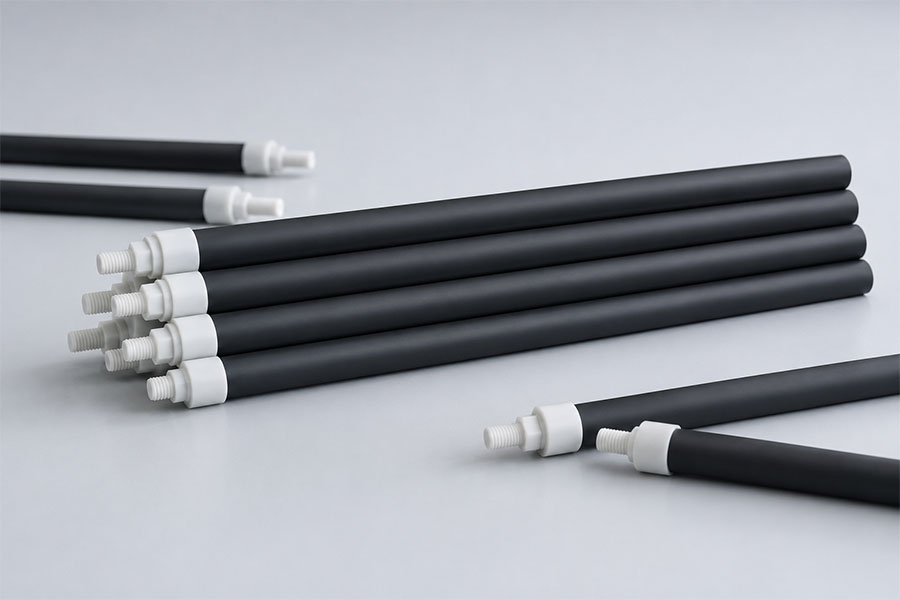
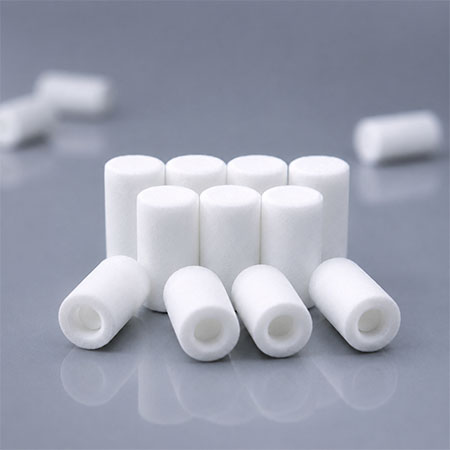
PP Sintered Filter Cartridge

Engineering Plastic in Modern Industry: A High-Performance Material for Advanced Engineering Systems

In modern industrial manufacturing, plastic and especially engineering plastic have become essential engineering materials that bridge the gap between metals and traditional polymers. These materials are widely recognized for their ability to deliver good mechanical properties, strong chemical resistance, and reliable heat resistance in demanding environments where standard materials fail.

Unlike commodity plastics, engineering plastics are designed as engineering thermoplastic solutions that support structural, mechanical, and functional roles in advanced systems. From automotive parts, precision gears, and bearings to electrical housings and industrial filtration components, these materials provide excellent mechanical properties and long-term durability under stress.

As industries evolve toward lightweight, high-efficiency designs, engineering plastics such as polycarbonate, nylon, and polyethylene terephthalate are increasingly replacing metal components. Their combination of mechanical strength, impact resistance, and manufacturability makes them a core engineering material in the global plastics industry.

What Are Types of Engineering Plastics and Why Do They Matter?

Engineering plastics are a group of plastic materials that have better mechanical and thermal performance compared to commodity plastics. They are widely used in demanding engineering applications, including automotive systems, industrial machinery, and electrical components.

These materials include major categories such as engineering polymers, thermoplastic polymer systems, and reinforced resins. Common examples include polycarbonate, nylon, polyethylene, POM, and polyethylene terephthalate, which together form the backbone of modern industrial design.

From procurement and design perspectives, understanding the types of engineering plastics helps engineers select materials that match required mechanical strength, chemical resistance, and operational temperature conditions.

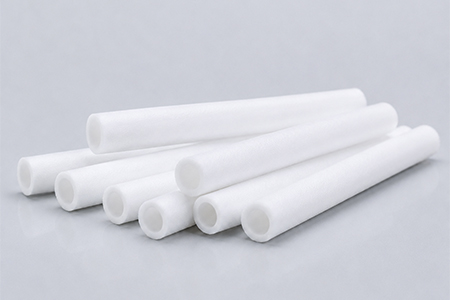
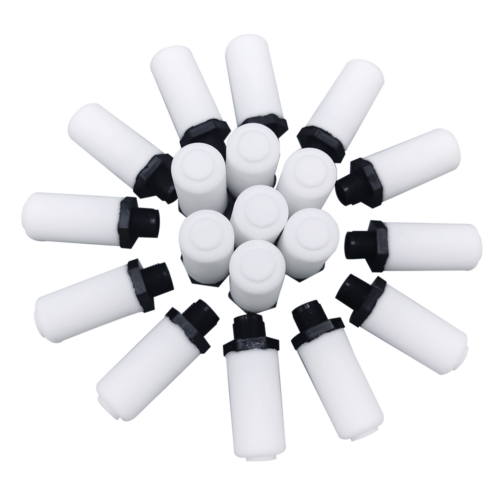
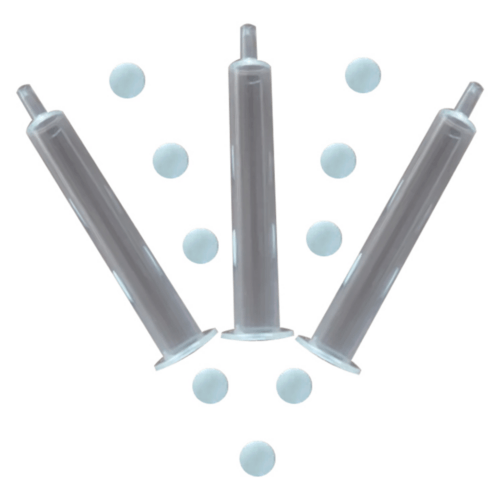
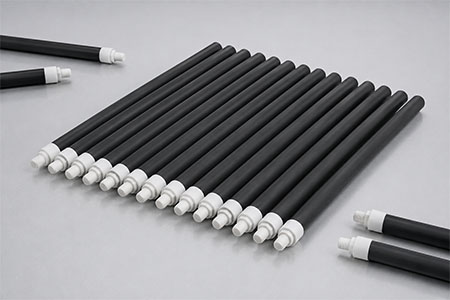
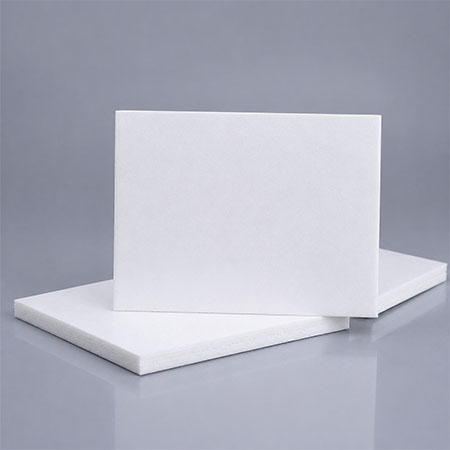
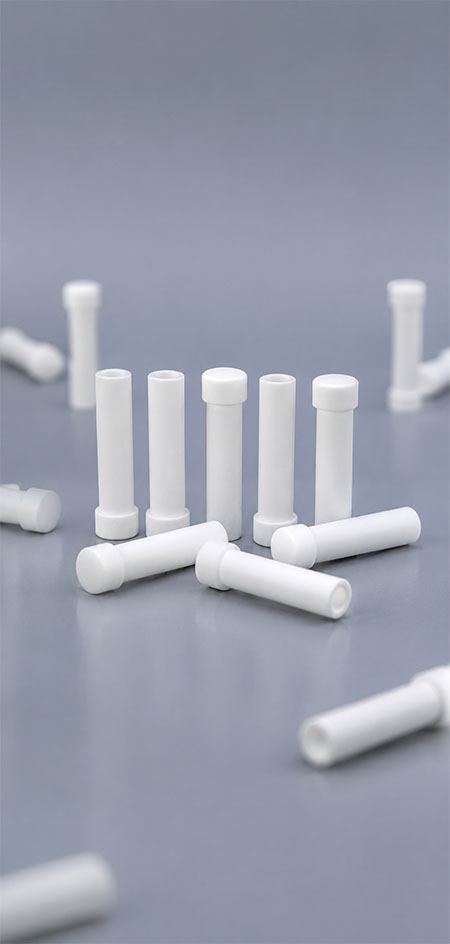
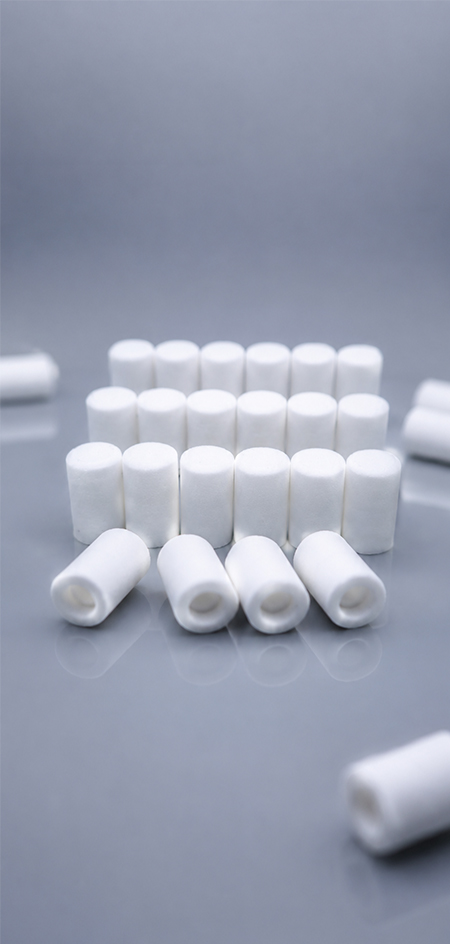
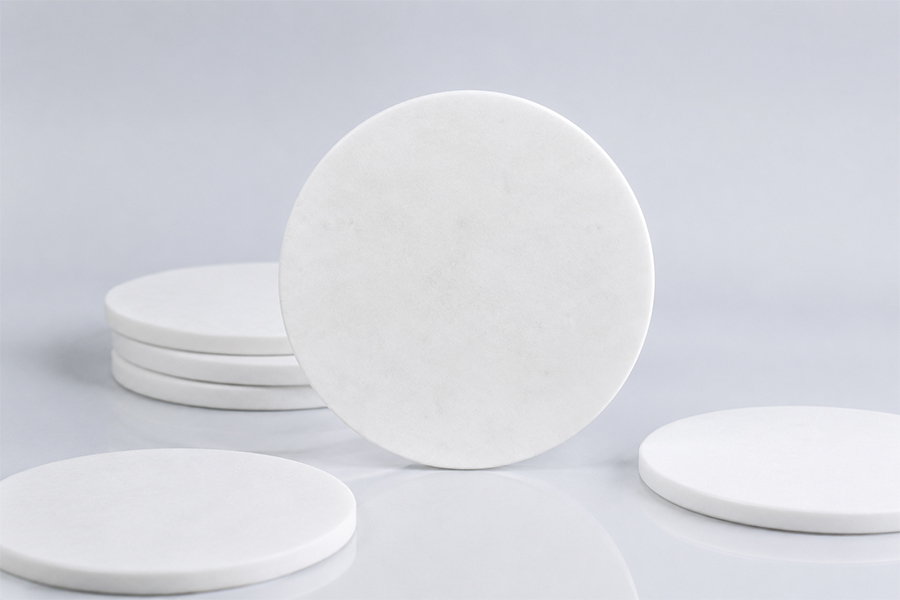
PTFE Sintered Filter Cartridge
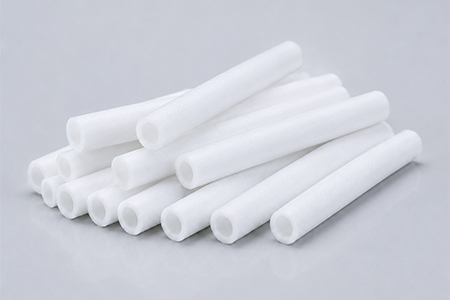
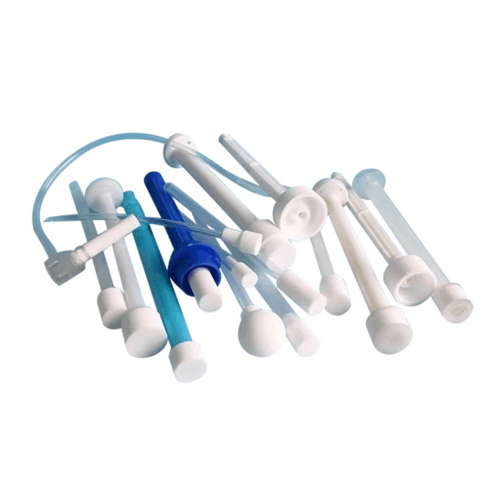
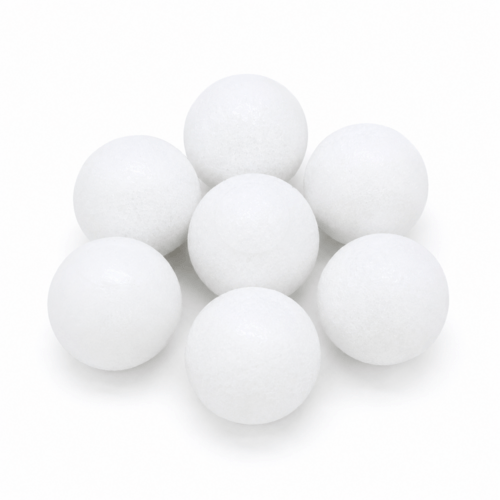
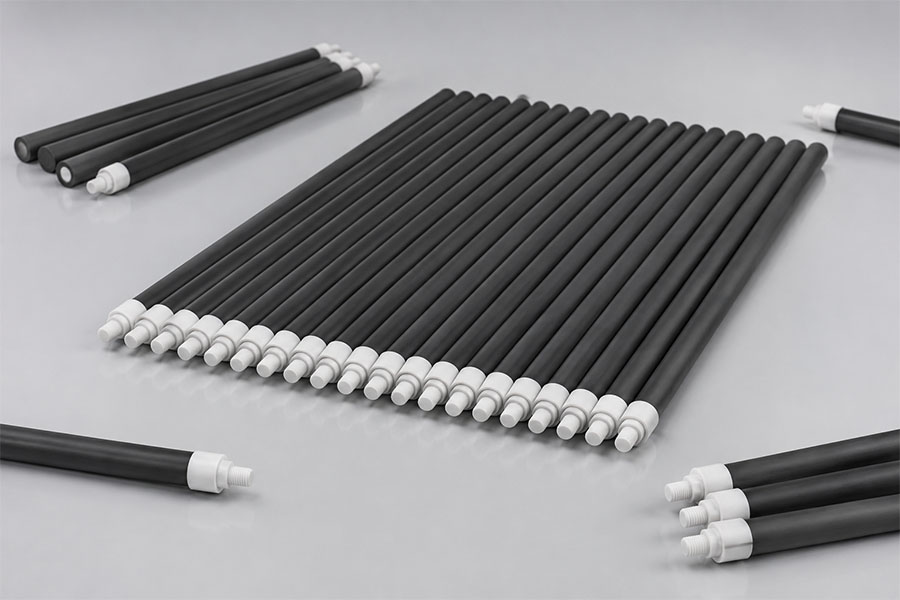
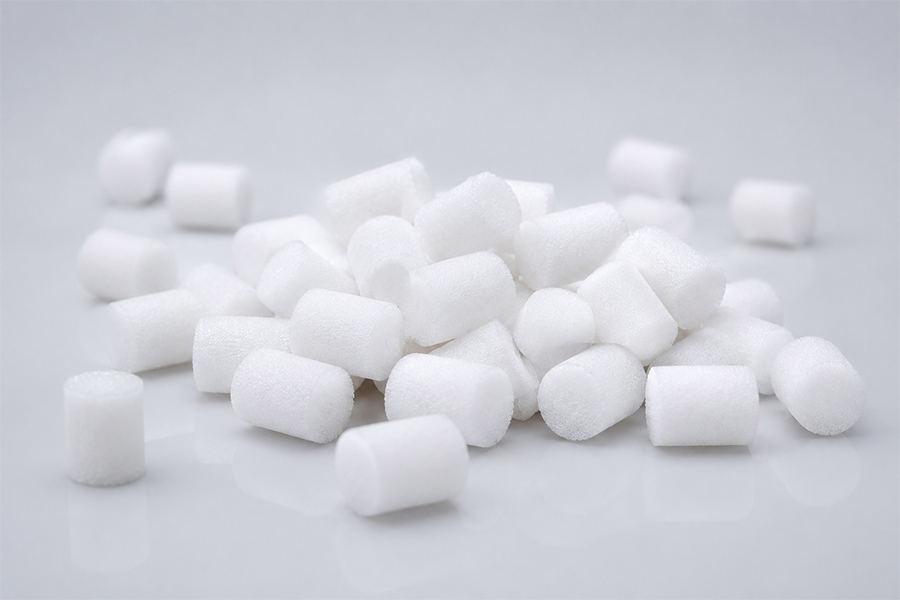
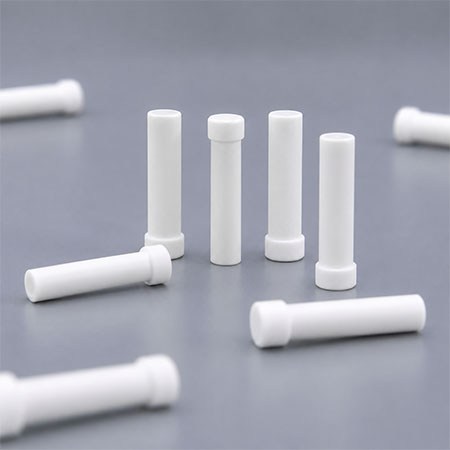
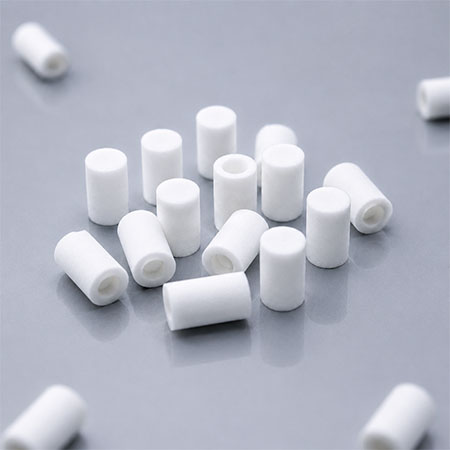
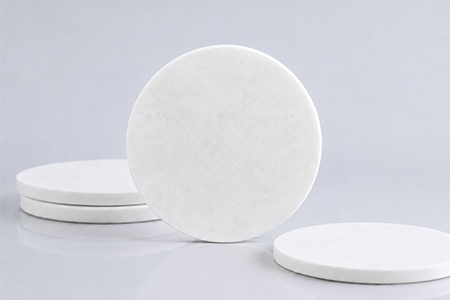
Nylon (PA) Sintered Filter Cartridge

Common Engineering Plastics Used in Industrial Applications

In modern manufacturing, several common engineering plastics dominate due to their balanced performance and cost efficiency. These include polycarbonate, nylon, polyethylene, and POM, each offering unique mechanical and thermal advantages.

For example, polycarbonate provides high impact resistance and transparency, making it suitable for protective covers and optical components. Nylon is widely used in bearing systems due to its abrasion resistance and mechanical stability, while polyethylene is valued for its chemical resistance and flexibility.

These materials are classified as engineering thermoplastic material systems, meaning they can be repeatedly molded without losing structural integrity, making them highly suitable for mass production and precision engineering.

What Are the Properties of Engineering Plastics?

The properties of engineering plastics define their performance in industrial environments. Key characteristics include tensile strength, dimensional stability, wear resistance, and heat resistance, all of which contribute to long service life in mechanical systems.

Materials such as polycarbonate and nylon demonstrate strong mechanical properties, allowing them to replace metals in load-bearing components. In many cases, glass fibers are added to improve rigidity and long-term performance under stress.

Another critical advantage is chemical resistance, which allows engineering plastics to operate in aggressive environments such as chemical processing or water treatment systems without degradation.

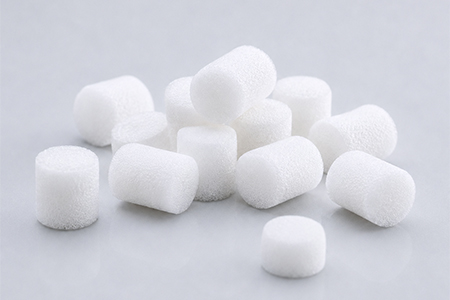
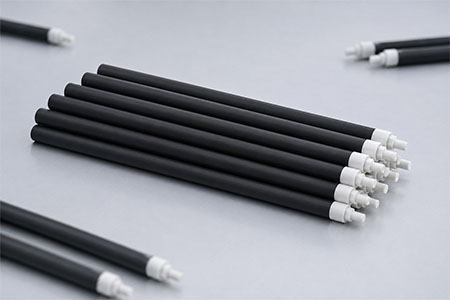
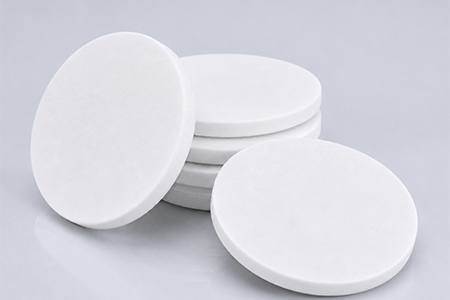
PP Sintered Filter Cartridge

Engineering Thermoplastic Materials and Their Industrial Role

An engineering thermoplastic is a class of polymers that soften when heated and harden when cooled, allowing repeated processing cycles. This property makes them highly suitable for injection molding and thermoforming processes.

Materials like polycarbonate, polyethylene, and nylon are widely used thermoplastics that combine good dimensional stability with strong mechanical performance. They are commonly used in automotive interiors, electrical housings, and industrial machinery.

Because of their balance of performance and manufacturability, thermoplastics have gradually replaced traditional engineering materials such as metal in many industrial systems.

Why Engineering Plastics Have Gradually Replaced Traditional Materials

Over the past decades, engineering plastics have gradually replaced traditional engineering materials such as wood, glass, and metal in many applications. This shift is driven by the need for lighter, more efficient, and cost-effective solutions.

Compared to metals, engineering plastics offer lower weight while maintaining high mechanical strength and good mechanical properties. This makes them especially valuable in the automotive and transportation industries, where weight reduction improves energy efficiency.

In addition, modern engineering plastics are much easier to manufacture into complex geometries, supporting advanced industrial design and reducing production costs in large-scale manufacturing systems.

PTFE Sintered Filter Cartridge
Nylon (PA) Sintered Filter Cartridge

Common Types of Engineering Plastics and Their Functional Differences

The common types of engineering plastics include polycarbonate, nylon, POM, polyethylene terephthalate, and butadiene styrene. Each material offers different performance advantages depending on application requirements.

For example, polycarbonate is known for transparency and impact resistance, while POM delivers excellent rigidity and low friction, making it ideal for precision mechanical parts. Nylon provides strong abrasion resistance, while polyethylene is widely used for chemical storage and piping systems.

These materials are part of a broader family of engineering resins and engineering polymers that support a wide range of industrial applications.
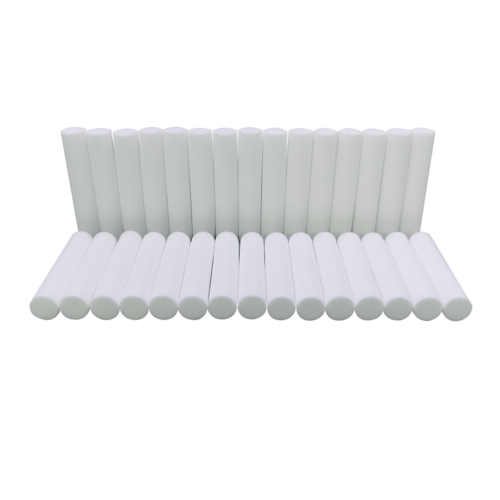
Five Engineering Plastics That Dominate Industrial Design

The five engineering plastics most commonly used in industry are polycarbonate (PC), nylon (PA), POM, polyethylene terephthalate (PET), and butadiene styrene (ABS).

Each of these materials plays a unique role in engineering systems. For instance, PC is used in optical and protective applications, while nylon is widely used in bearing systems and mechanical components requiring durability and wear resistance.

Together, these five materials represent the foundation of modern engineering plastic applications across automotive, electronics, and industrial manufacturing sectors.

PP Sintered Filter Cartridge

Engineering Plastic Applications in Automotive and Industrial Systems

The use of engineering plastics is especially significant in the automotive industry, where lightweight materials help reduce fuel consumption and improve performance.

Components such as engine covers, connectors, and structural housings are increasingly made from engineering thermoplastic materials like polycarbonate and nylon, replacing traditional metal parts.

In industrial environments, these materials are also used in pumps, valves, and mechanical parts where wear resistance, chemical resistance, and durability are essential for long-term operation.

Mechanical and Functional Advantages of Engineering Plastics

One of the main reasons engineering plastics are widely adopted is their combination of mechanical strength, impact resistance, and abrasion resistance. These properties allow them to perform reliably under mechanical stress.

In addition, many engineering plastics maintain stable performance under high temperature conditions, making them suitable for demanding industrial environments. Some also exhibit enhanced flame retardancy, improving safety in electrical applications.
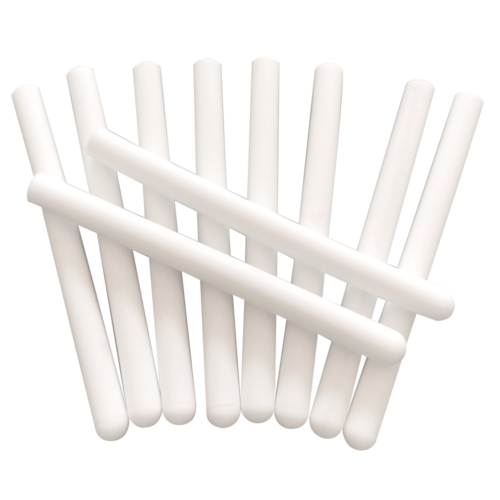
As a result, engineering plastics are now widely used in mechanical parts, industrial systems, and precision components across multiple industries.

PP Sintered Filter Cartridge
Request a Custom Filter Quote

Request a Custom Engineering Plastic Solution for Your Application

Choosing the right engineering plastic is critical for achieving long-term performance in demanding industrial environments. Whether your application requires high mechanical strength, heat resistance, chemical resistance, or dimensional stability, selecting the correct material can significantly improve system reliability and reduce maintenance costs.

Our engineering team supports global buyers, OEM manufacturers, and procurement specialists in identifying the most suitable engineering plastic material based on real operating conditions such as temperature, load, wear, and chemical exposure. From polycarbonate, nylon, to advanced polyethylene-based polymers, we help you match performance with application requirements.

If you are currently evaluating material options or need technical confirmation for an industrial project, our experts can provide fast and practical recommendations.
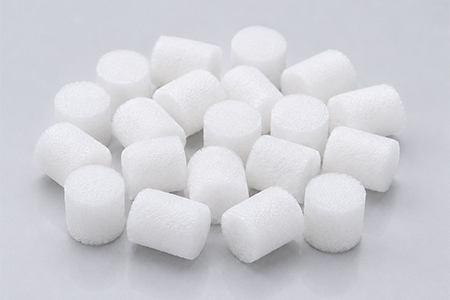
Contact us today to request technical consultation, sample support, or OEM customization.