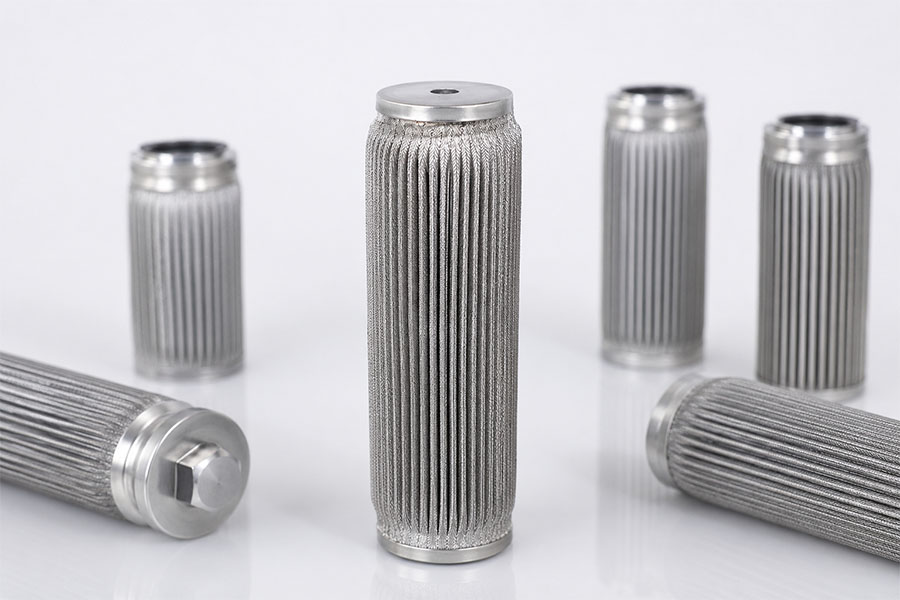
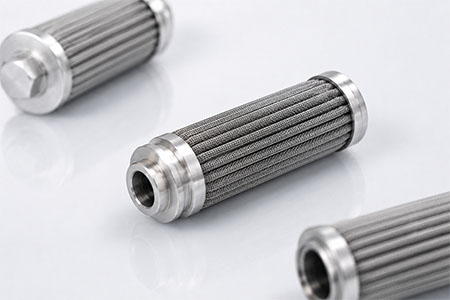
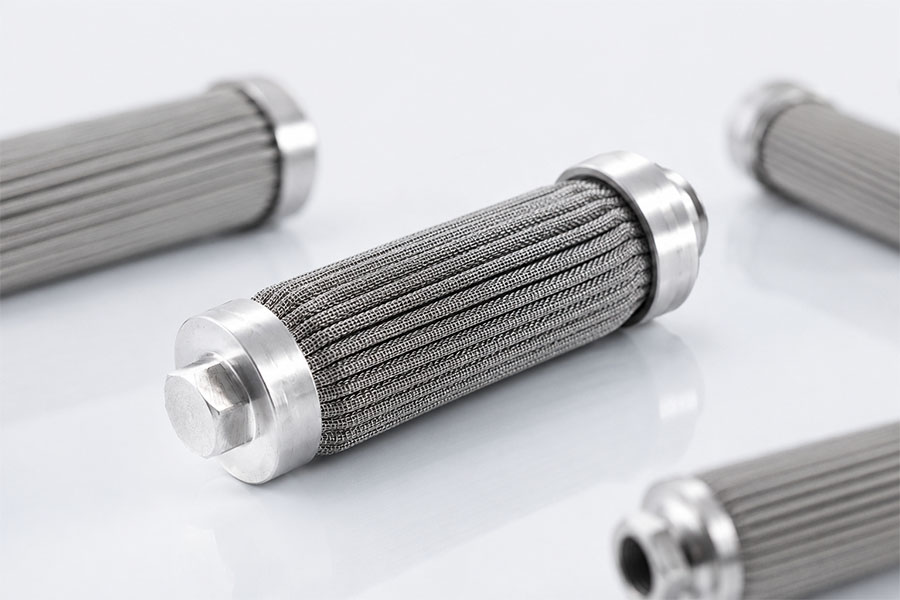
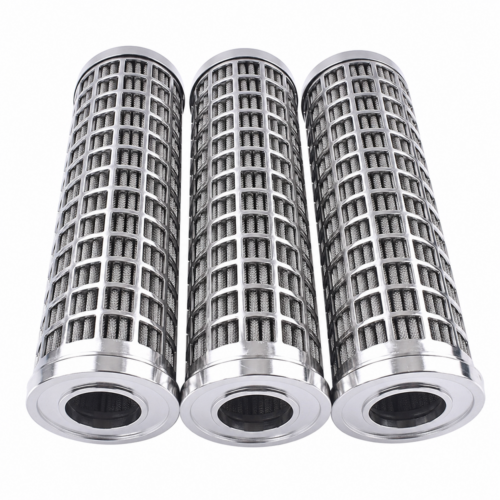
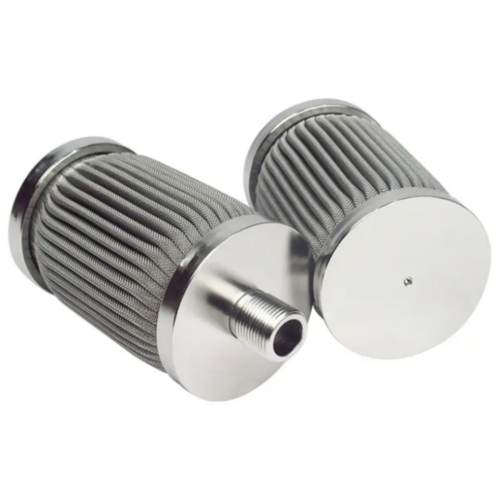
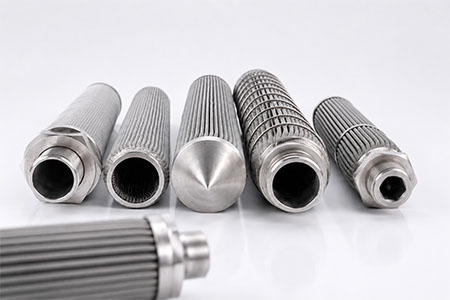
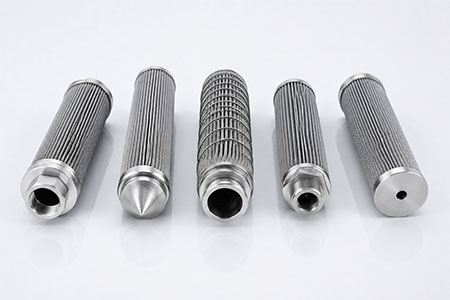
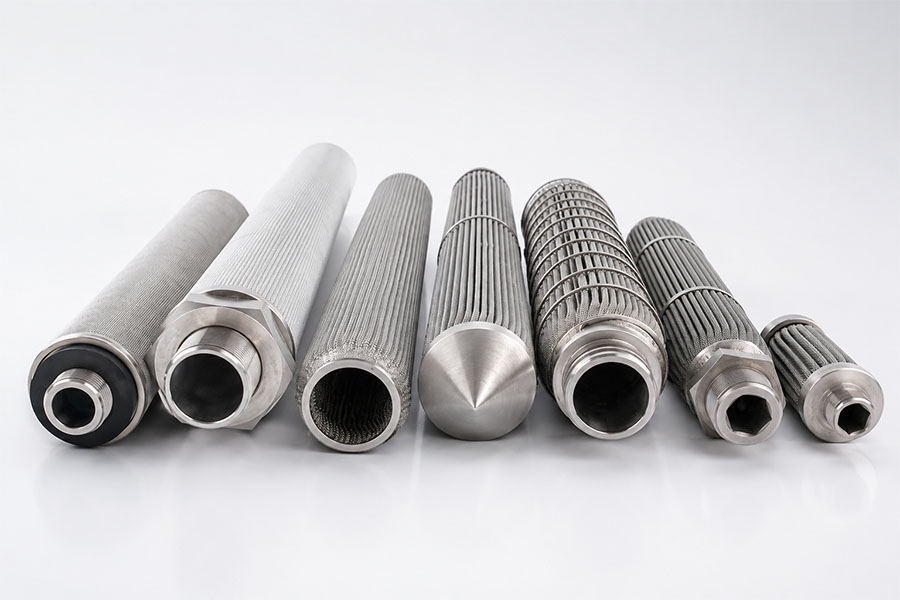
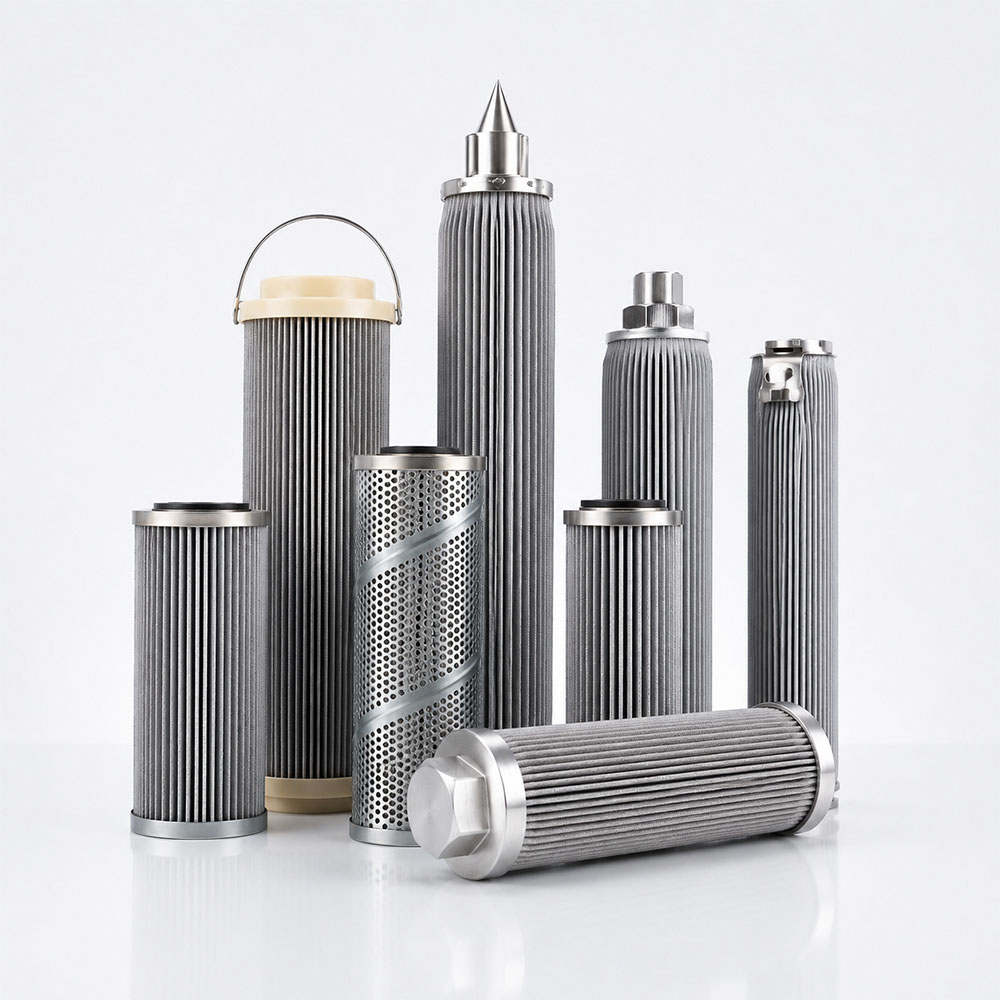
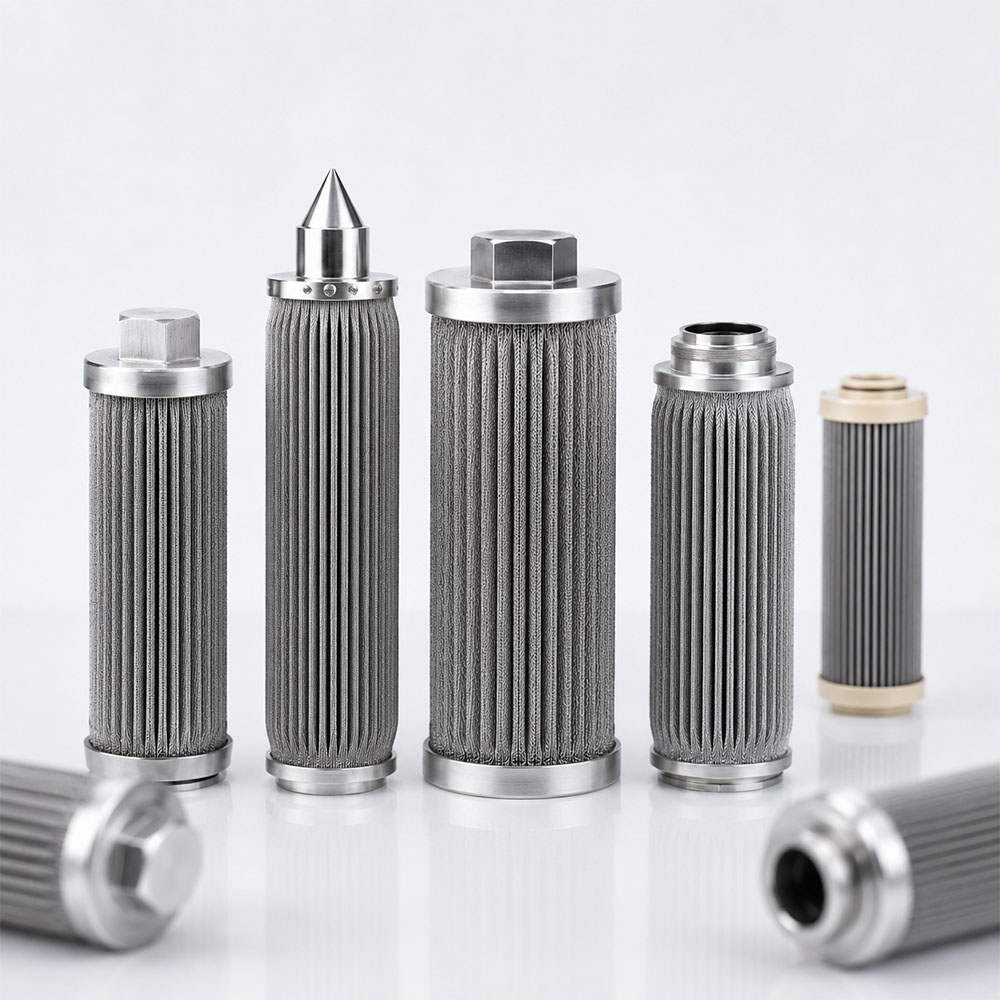
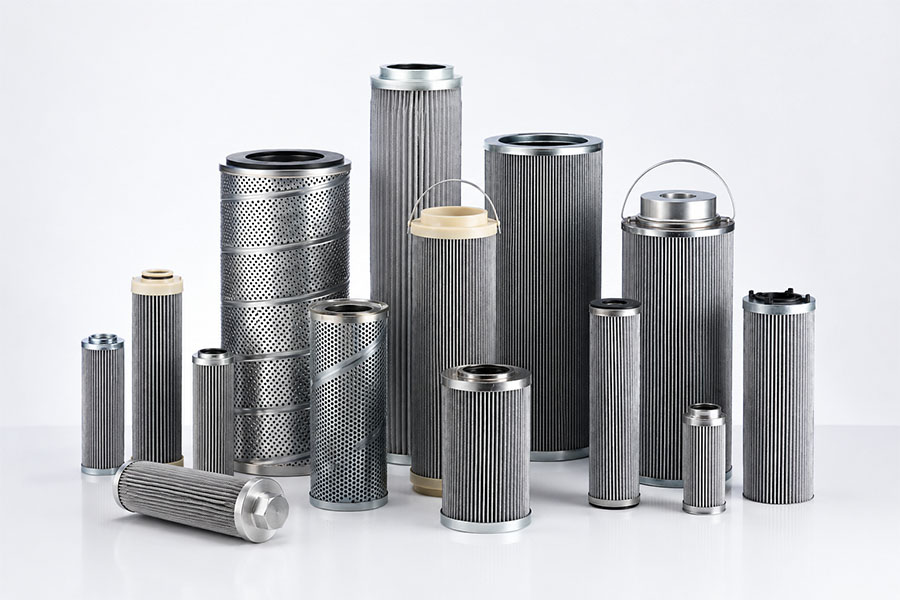
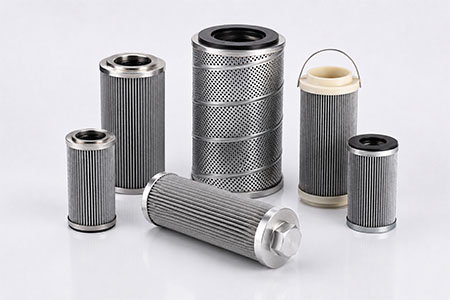
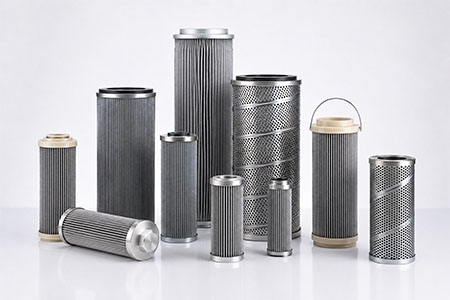
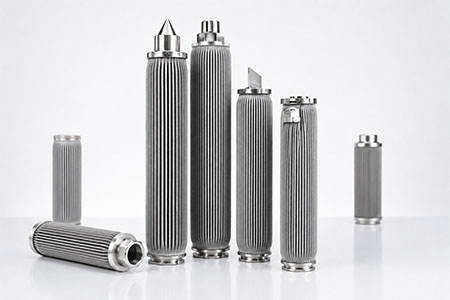
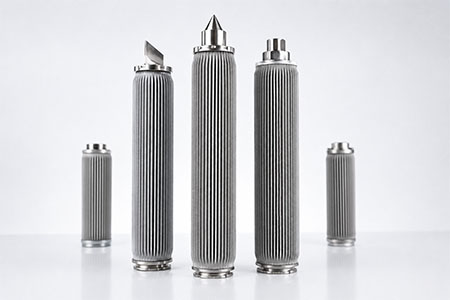
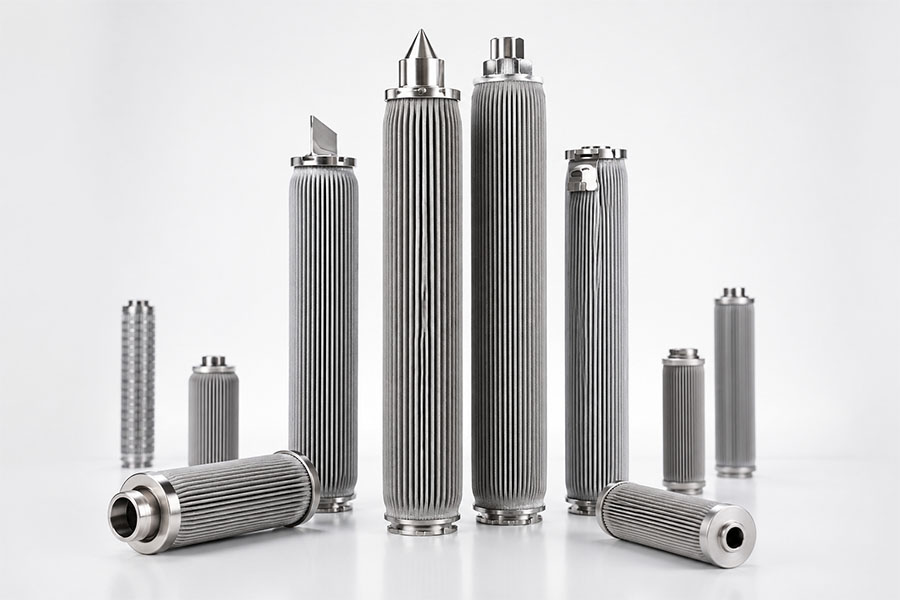
Sintered Mesh Filter Cartridge & Pleated Filter Cartridge for High-Performance Industrial Filtration, Stainless Steel Filtration & Sintered Filtration Systems

Industrial filtration systems today demand high mechanical strength, stable filtration precision, chemical resistance, and long service life under continuous operation. Sintered mesh filter cartridges and pleated filter cartridges are engineered to meet these requirements in demanding liquid and gas filtration environments across chemical, pharmaceutical, energy, and process industries.

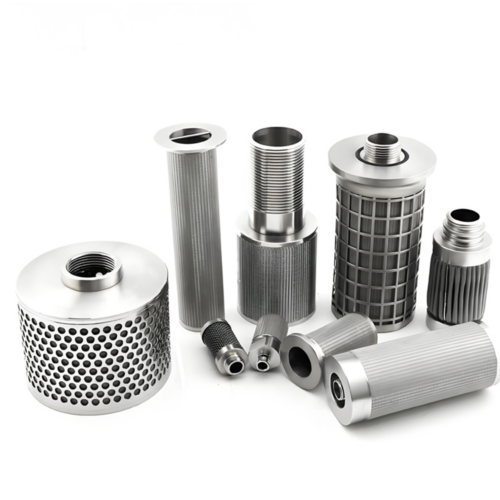
Built with stainless steel, sintered metal structures, and pleated high-area geometry, these filter cartridges deliver consistent performance under high pressure, elevated temperature, and aggressive fluid conditions. They are widely used in industrial filtration, process fluid purification, hydraulic protection systems, and high-viscosity media separation, ensuring stable flow and reduced downtime in critical systems.

By combining filtration, sinter technology, pleat geometry, and stainless steel construction, these filter cartridges provide a robust solution for engineers seeking predictable performance, low lifecycle cost, and scalable industrial integration.


Sintered Pleated Filters

Why do conventional filter cartridges fail under high pressure filtration systems?

In many industrial filtration systems, standard polymer or disposable filter cartridges suffer from deformation, clogging, and unstable filtration efficiency when exposed to continuous pressure cycles. This leads to reduced filtration stability, higher differential pressure, and frequent cartridge replacement.

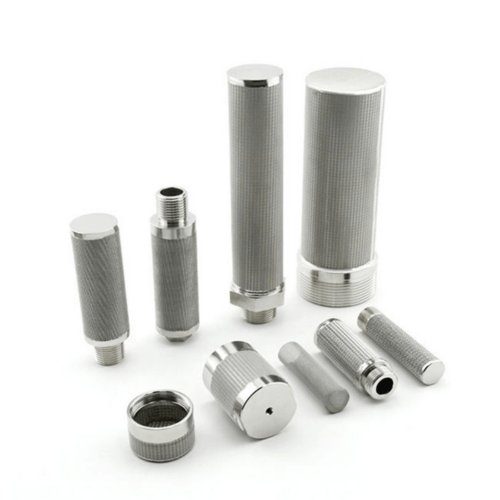
Sintered stainless steel filter cartridges solve this by offering a rigid structure with high mechanical strength and pressure resistance, maintaining stable filtration performance even under fluctuating system loads.

How does high-viscosity fluid impact filter cartridge performance?

High-viscosity fluids such as oils, resins, polymers, and chemical slurries significantly increase resistance across the filtration media. This results in rapid clogging and reduced flow rate in conventional filters.

A sintered filter cartridge or pleated filter cartridge maintains stable flow due to engineered pore distribution and optimized pleat surface area, allowing continuous filtration of viscous fluids without collapse or deformation.

Sintered Pleated Filters

Can filtration systems maintain stability in corrosive chemical environments?

Chemical processing environments often expose filter cartridges to acids, solvents, and aggressive compounds that degrade polymer-based filters.

Stainless steel sintered mesh filter cartridges provide excellent corrosion resistance and thermal stability, making them suitable for harsh environments in chemical and petrochemical filtration systems where long-term durability is critical.

Sintered Pleated Filters

Why is filtration precision unstable in multi-stage industrial systems?

Multi-stage filtration systems often experience particle bypass, uneven loading, and pore blockage due to inconsistent media structure.

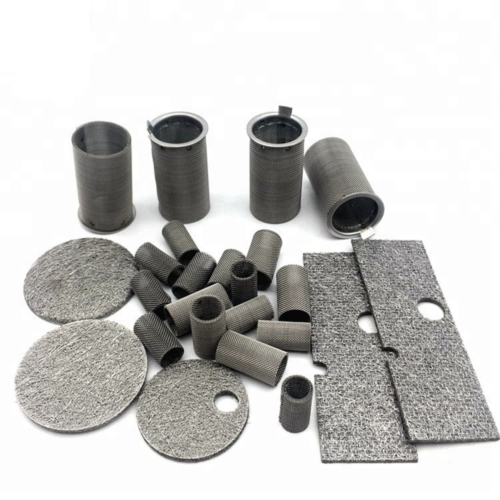
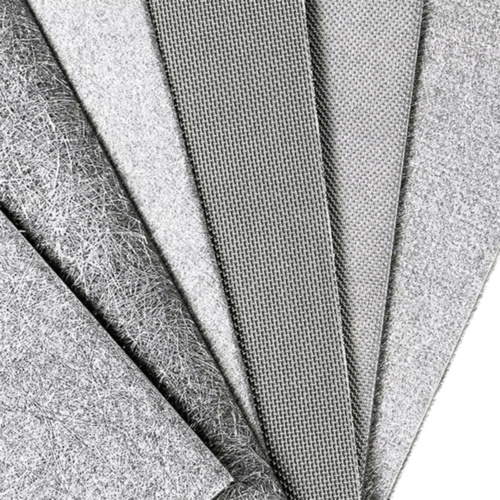
Sintered mesh technology ensures consistent pore size distribution and stable filtration rating (1–200 μm), reducing variability and improving downstream process stability.

How does temperature fluctuation affect filter cartridge integrity?

In high-temperature operations such as steam filtration or polymer processing, conventional cartridges may soften or deform.

A stainless steel sintered filter cartridge maintains structural integrity at elevated temperatures, ensuring continuous operation in thermal cycling environments without loss of filtration efficiency.

Sintered Pleated Filters

TECHNICAL ADVANTAGES OF SINTERED MESH & PLEATED FILTER CARTRIDGES

Sintered mesh filter cartridges and pleated filter cartridges are engineered to optimize surface area utilization, pressure drop control, and mechanical durability.

Pleated designs increase effective filtration area by 3–5x compared to flat media, significantly reducing differential pressure and extending service life. This improves system efficiency and reduces pump load.

Sintered stainless steel structures provide:

  • High mechanical strength under >0.6–4 MPa pressure conditions

  • Temperature resistance up to 600–800°C depending on alloy

  • Reusable filtration via backwashing and ultrasonic cleaning

  • Stable micron-level filtration accuracy

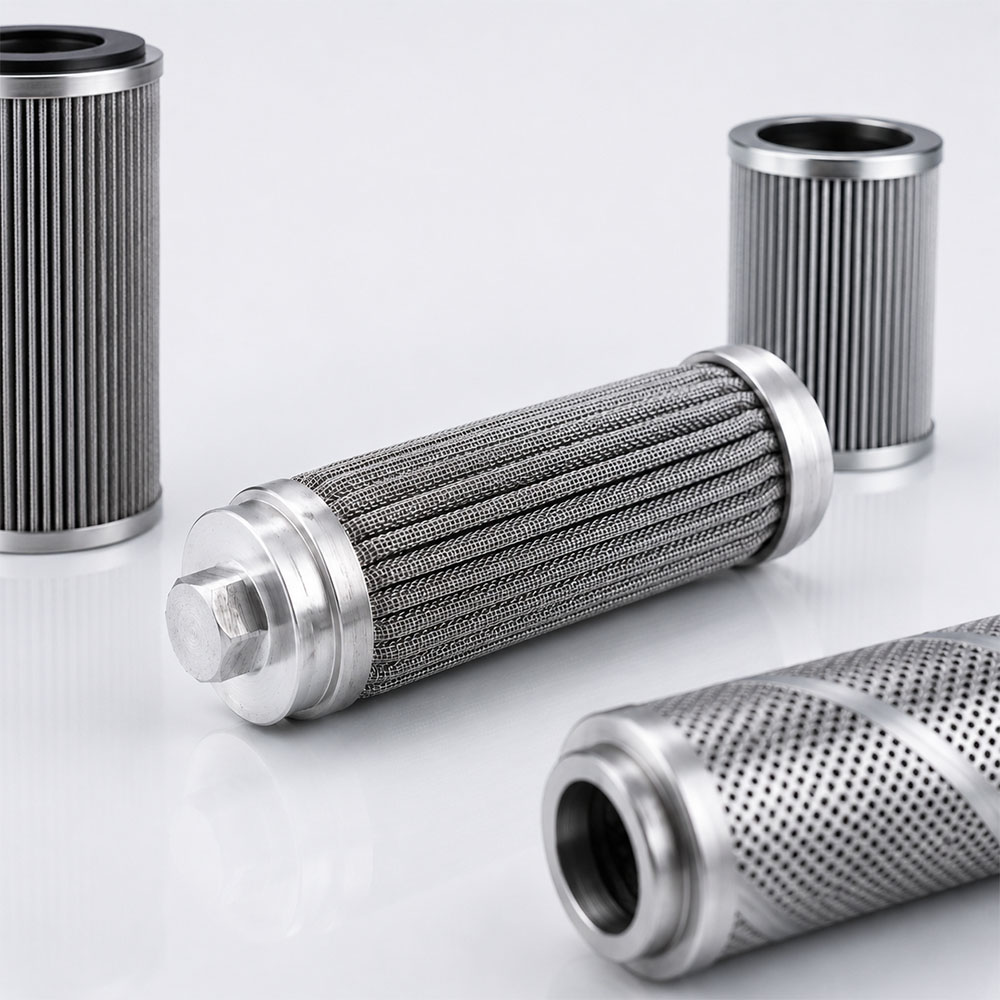
Compared to depth filtration systems, sintered mesh acts primarily as a surface filtration medium with controlled pore architecture, enabling predictable particle retention and easy cleaning cycles.

INDUSTRY APPLICATIONS OF FILTER CARTRIDGE SYSTEMS

Sintered mesh filter cartridges and pleated filter cartridges are widely used across multiple industrial sectors where reliability and precision are essential.

Typical applications include:

  • Chemical processing and fine chemical filtration

  • Pharmaceutical and sterile process filtration

  • Oil & gas pipeline and fuel filtration systems

  • Hydraulic systems and lubrication protection

  • Polymer melt and resin filtration

  • Water treatment and industrial wastewater systems

  • Gas filtration in high-temperature environments

In chemical and pharmaceutical systems, filtration accuracy and contamination control are critical. In oil & gas and hydraulic systems, the focus shifts toward pressure resistance, mechanical durability, and long-term stability.

Different filter structures are selected based on:

  • Fluid viscosity

  • Particle size distribution

  • Pressure drop requirements

  • Temperature conditions

  • System cycle duration

Sintered Pleated Filters

TOTAL COST OF OWNERSHIP (TCO) & EFFICIENCY OPTIMIZATION

Unlike disposable filter cartridges, sintered metal filter cartridges are designed for long-term reuse, significantly reducing lifecycle cost.

Key efficiency advantages include:

  • Reusable stainless steel structure reduces replacement frequency

  • Ultrasonic cleaning restores filtration performance

  • Backwashing enables in-line regeneration

  • Reduced downtime in continuous production systems

  • Lower waste disposal and operational cost

Maintenance cycles can be optimized based on differential pressure monitoring, ensuring stable performance while minimizing operational interruptions.

From a lifecycle engineering perspective, sintered filter systems deliver a lower total cost of ownership (TCO) compared to polymer-based disposable filtration.
FAQ – TECHNICAL QUESTIONS FROM ENGINEERS

What is a pleated filter cartridge?

A pleated filter cartridge is a filtration element with folded media structure that increases surface area, improving dirt-holding capacity and reducing pressure drop.

Sintering is a process where metal powders or wire meshes are fused under high temperature without melting, forming a rigid porous structure for precise filtration.

They are used in high-temperature, high-pressure, or corrosive environments where polymer filters cannot maintain structural integrity.

It is the percentage of particles removed at a specified micron rating, typically measured using standardized particle count or bubble point testing.

Yes. Stainless steel pleated filter cartridges are designed for high thermal resistance and maintain stable flow in viscous industrial fluids.

Sintered Pleated Filters
Request a Custom Filter Quote

TECHNICAL ENGAGEMENT & ENGINEERING SUPPORT

Filtration system selection requires accurate engineering evaluation of pressure, flow rate, micron rating, and operating conditions.

We support engineers and procurement teams in selecting the right sintered mesh filter cartridge and pleated filter cartridge based on real process data, ensuring stable filtration performance, mechanical strength, and service life.

Our team provides fast technical feedback for OEM customization, material selection, and system integration to improve overall filtration efficiency and reduce operational risk.