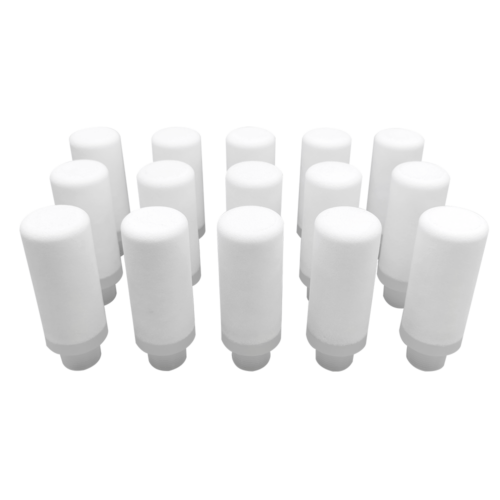
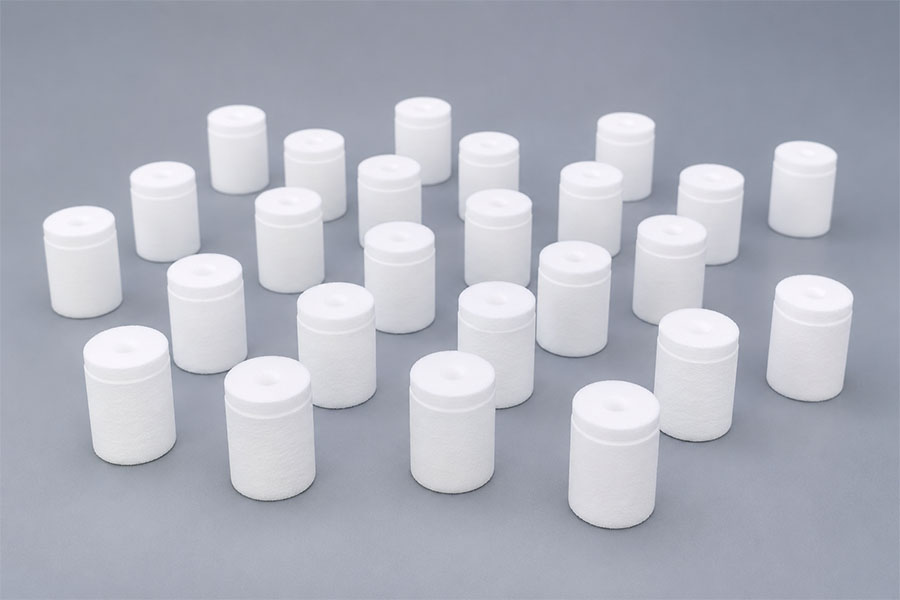
PTFE Sintered Filter Cartridge for High-Performance Industrial Filtration

A PTFE sintered filter cartridge is a high-performance porous filtration element made from pure polytetrafluoroethylene (PTFE) powder through a sintering process, forming a rigid, interconnected porous structure. It provides precise particle retention with stable flow performance in demanding conditions.

With outstanding chemical resistance, hydrophobic properties, and thermal stability (up to ~260°C), it is widely used in chemical processing, pharmaceuticals, gas filtration, laboratory systems, and aggressive solvent applications.
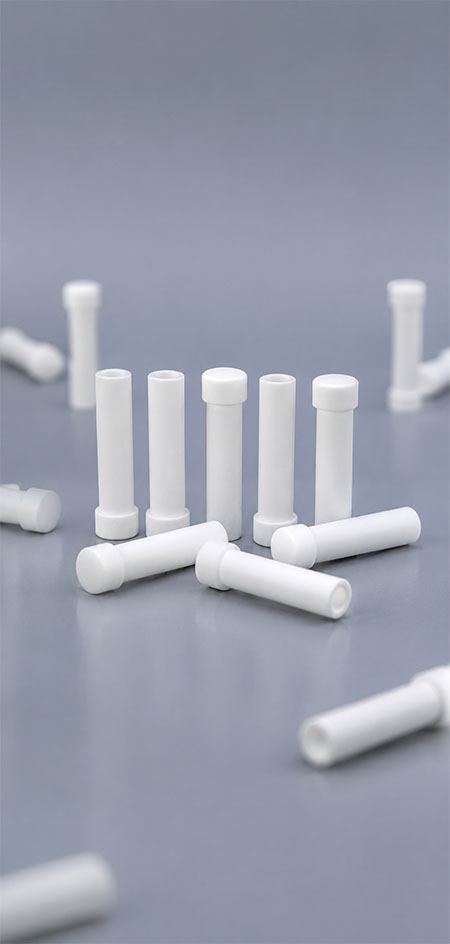
Compared with conventional plastic or metal filters, PTFE sintered cartridges offer longer service life, ultra-low contamination risk, and reliable performance in corrosive or high-purity environments.

Engineers choose it for applications requiring consistent filtration accuracy and durability in harsh chemical or high-purity processes. Custom sizes, micron ratings, and OEM solutions are available on request.

PTFE Sintered Filter Cartridge

Product Definition and Working Principle

A PTFE sintered filter cartridge is formed by compressing pure PTFE raw materials and applying a controlled sintering process that bonds particles without fully melting them. This creates a sintered porous PTFE structure with interconnected micro-pores that allow controlled fluid passage while retaining unwanted particles.

During operation, the porous PTFE filter functions as a depth-type filter. Fluid flows through a three-dimensional porous network where particles are captured through surface interception and internal retention. The resulting structure combines high flow stability with reliable filtration accuracy.

Unlike conventional membrane-based systems, the sintered structure is mechanically stable and does not rely on thin film layers. This makes the PTFE sintered filter cartridge suitable for continuous operation in aggressive environments where both chemical resistance and structural durability are required.

Available PTFE Sintered Filter Products

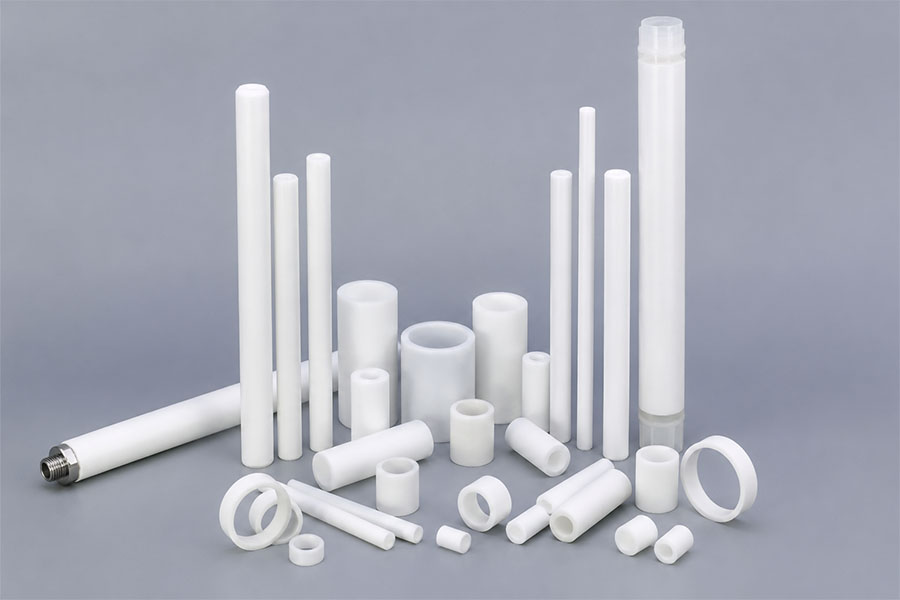
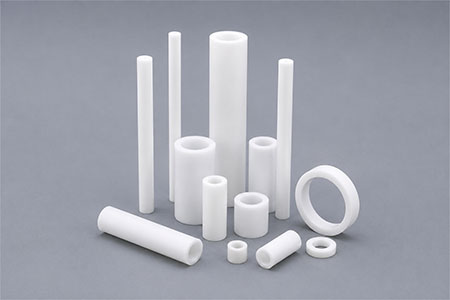
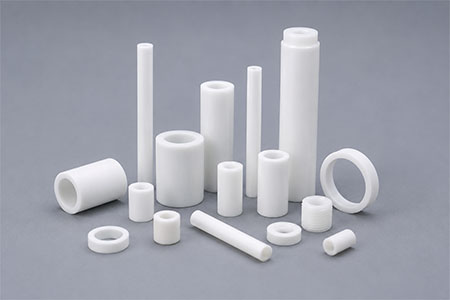
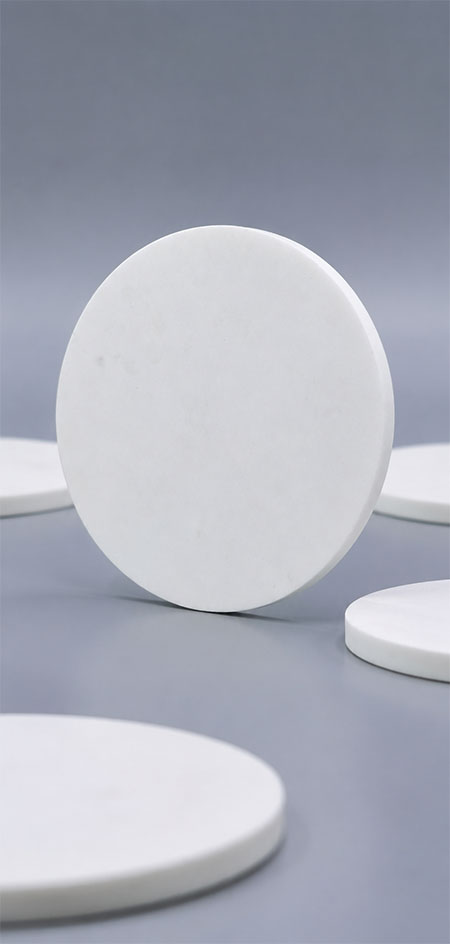
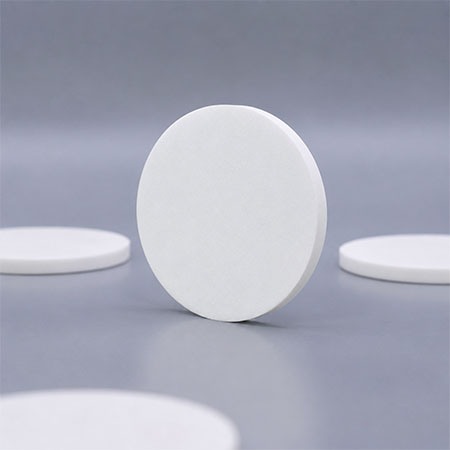
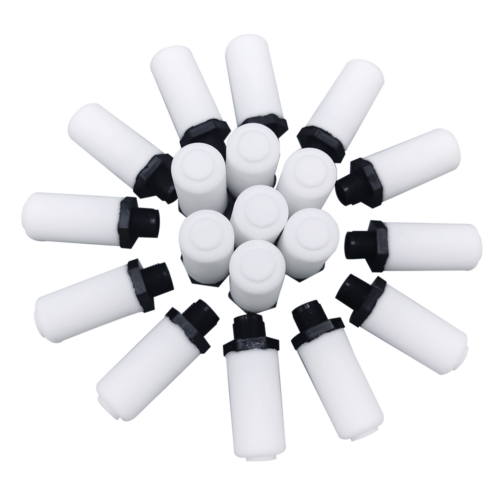
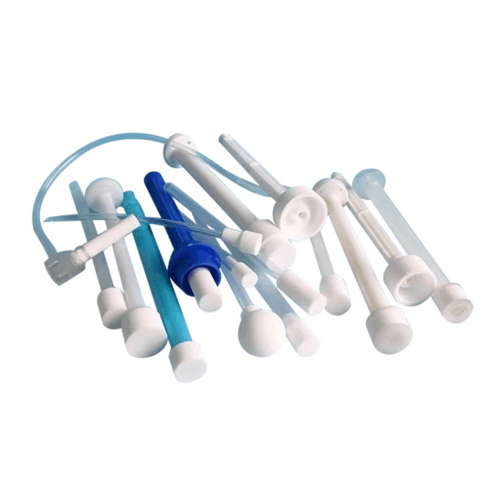
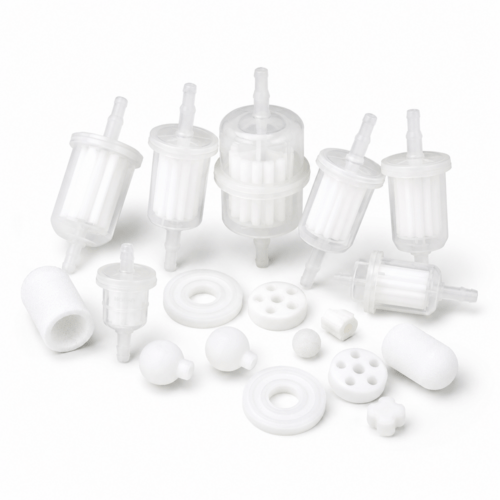
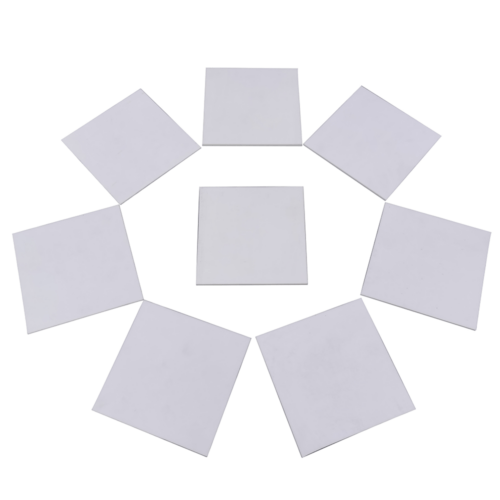
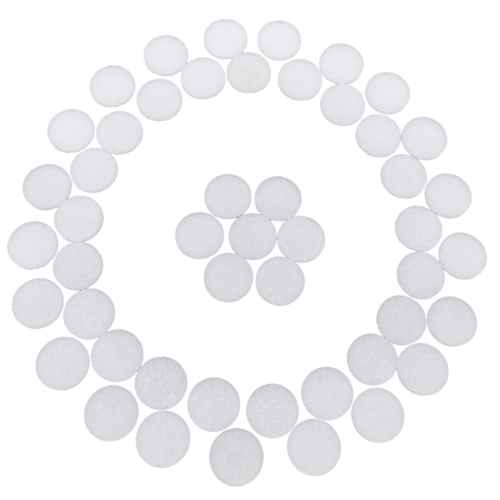
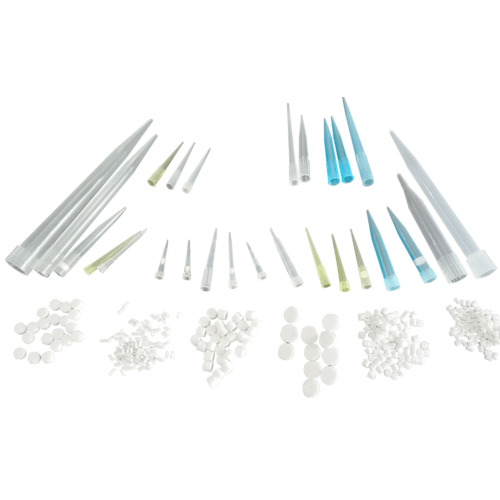
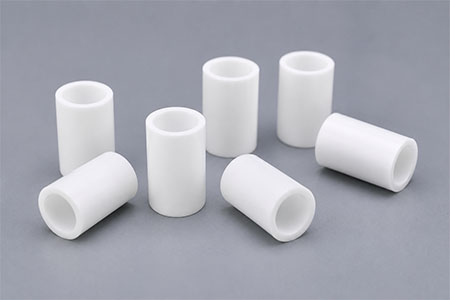
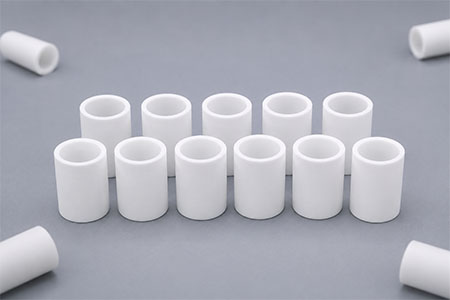
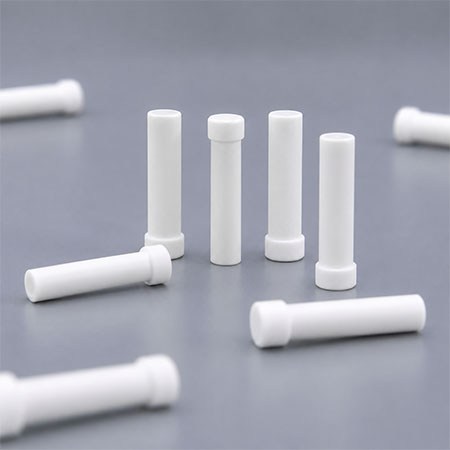
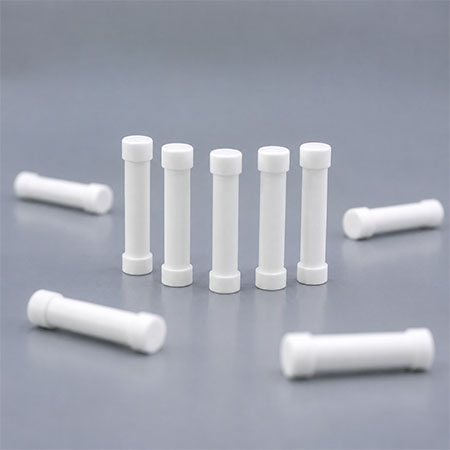
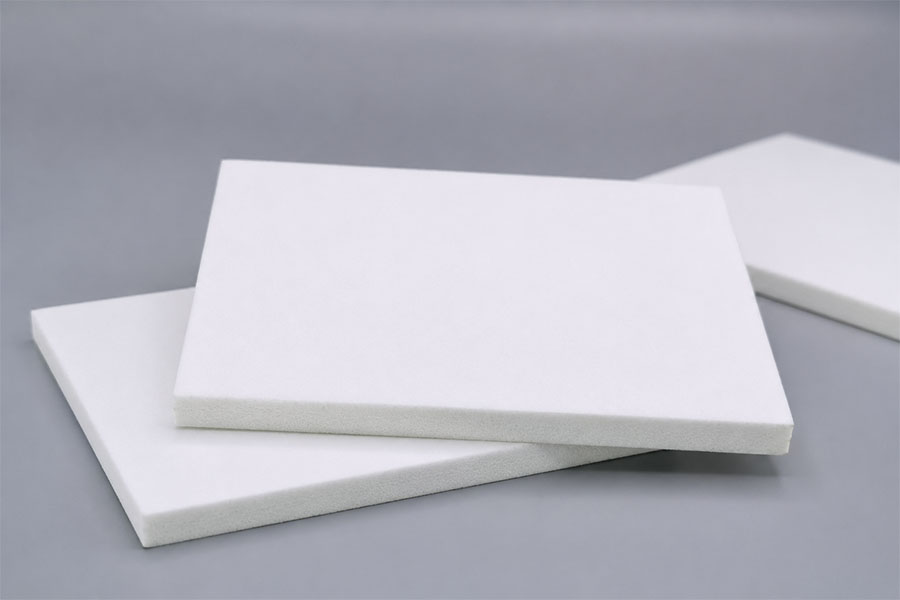
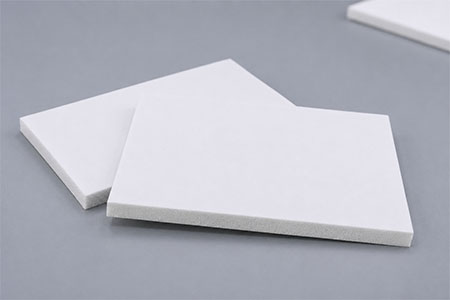
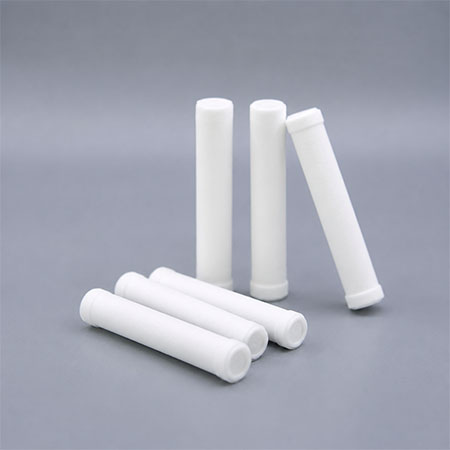
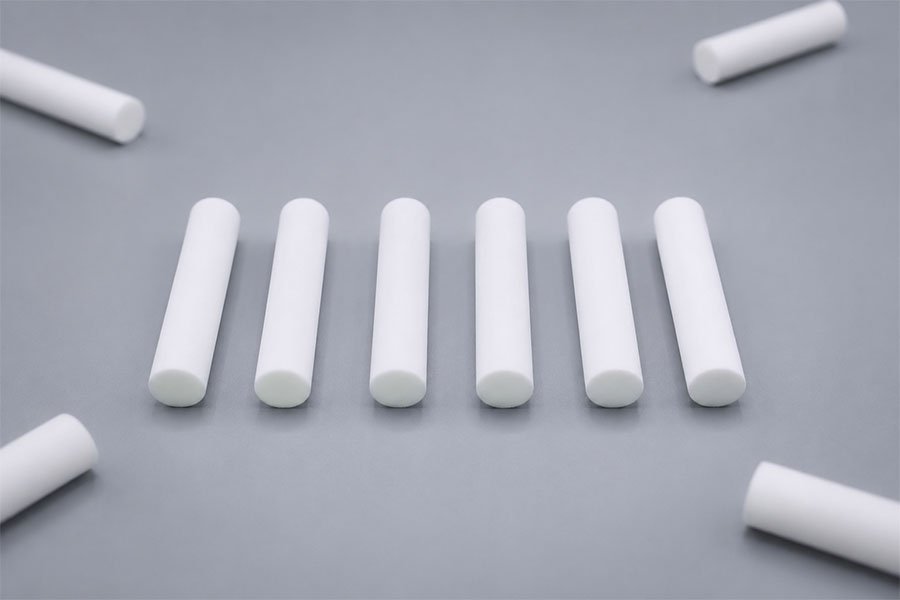
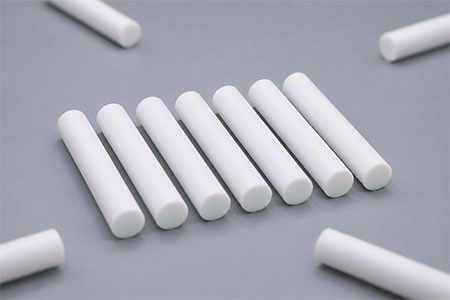
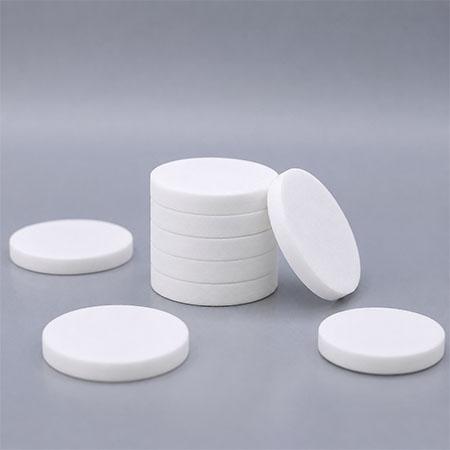
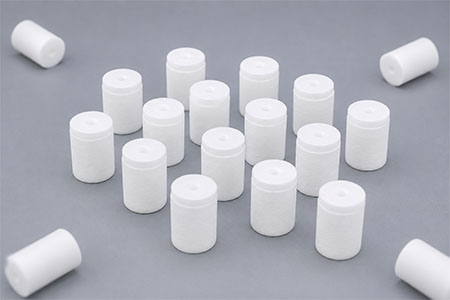
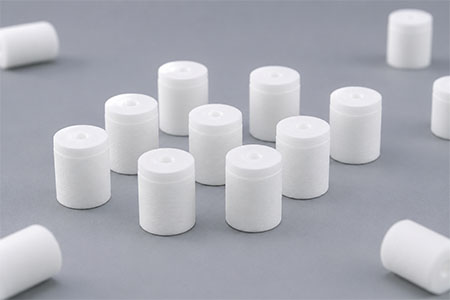
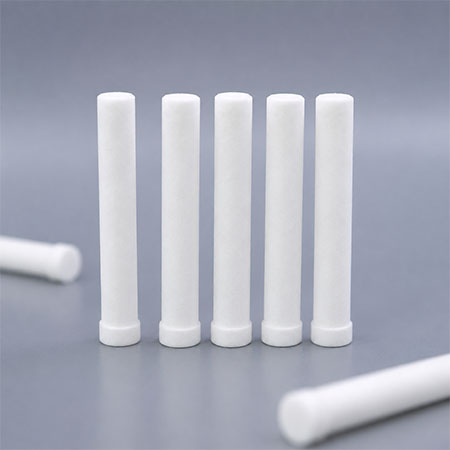
PTFE sintered filter products are available in a variety of structural configurations to meet different industrial requirements. Depending on application needs, manufacturers may offer different lengths, diameters, pore structures, filtration ratings, and end connection designs. These variations allow integration into gas filtration units, chemical processing systems, laboratory equipment, and custom OEM assemblies.

Product designs typically support flexible configuration of pore size, porosity, and mechanical structure, ensuring compatibility with both liquid and gas filtration processes. Engineers can select appropriate formats based on flow rate requirements, pressure conditions, and chemical exposure levels.

PTFE Sintered Filter Cartridge

Material and Performance Advantages

PTFE-based filtration media offer one of the highest levels of chemical resistance among industrial polymers. A PTFE sintered filter is highly resistant to acids, alkalis, and many organic solvents, making it suitable for aggressive process environments. This resistance reduces material degradation and extends overall service life under continuous exposure conditions.

The material also exhibits strong thermal stability, with reliable performance in elevated temperature applications approaching 200°C–260°C depending on system design. Combined with its hydrophobic properties, PTFE is particularly effective in gas filtration and venting systems where moisture control is required.

Compared with PE or PP-based sintered materials, PTFE provides higher purity and reduced risk of contamination. While a polyethylene filter may be suitable for general applications, PTFE is preferred for high-end chemical and pharmaceutical environments where stability and durability are critical.

Pore Size, Porosity and Filtration Accuracy

Filtration performance in a PTFE sintered filter is primarily determined by pore size, porosity, and structure uniformity. These parameters are controlled during the sintering stage, where particle size distribution and compaction pressure influence the final porous network.

Typical configurations may range from fine micro-level filtration down to more open structures designed for higher flow capacity. Selecting the correct pore size is essential; smaller pores improve retention but may increase pressure drop, while larger pores enhance flow efficiency.

Rather than always selecting the smallest available rating, engineers should align filtration design with process conditions such as contaminant size, fluid viscosity, and pressure limitations. Proper balance ensures stable performance and optimized system efficiency.
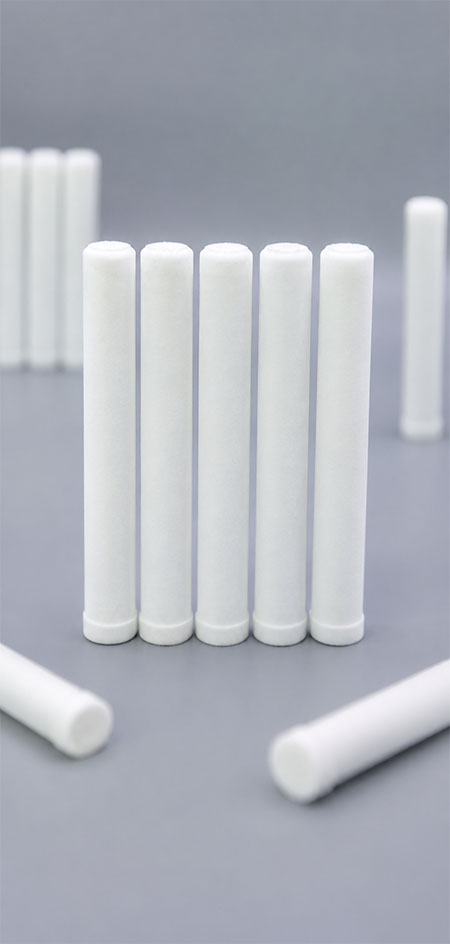
PTFE Sintered Filter Cartridge

Liquid, Gas and Venting Applications

PTFE sintered filter cartridges are widely used in both liquid and gas filtration systems, particularly in environments involving aggressive chemicals or sensitive process media. In liquid applications, they protect downstream equipment from particulate contamination in corrosive or high-purity streams.

For gas systems, PTFE filters are frequently used in venting, aeration, and compressed air treatment. Their hydrophobic structure helps prevent moisture intrusion while maintaining stable gas flow. This makes them suitable for tank venting systems, laboratory gas lines, and chemical processing equipment.

Application suitability depends on operating conditions such as temperature, pressure, solvent compatibility, and flow rate. Proper selection ensures stable long-term operation and reduced maintenance frequency.

Industries Using PTFE Sintered Filters

PTFE filtration technology is widely applied across industries requiring chemical stability and high-purity processing. In pharmaceutical environments, it is used in controlled process lines where material integrity is essential. In chemical manufacturing, it supports filtration of aggressive fluids and reactive substances.

Laboratory systems rely on PTFE filters for analytical equipment and gas purification processes. Electronics manufacturing also benefits from PTFE’s low contamination characteristics in process gas and solvent filtration systems.

Other applications include water purification pre-treatment systems, industrial gas distribution, and specialized processing environments where high filtration performance and material resistance are required.

PTFE Sintered Filter Cartridge

PTFE Versus Other Filter Materials

Different filtration materials offer different performance characteristics depending on application needs.

AttributePTFEPPPEStainless Steel MeshMetal Filter
Chemical CompatibilityExcellent (acids, solvents)ModerateModerateGoodExcellent
Temperature ResistanceUp to ~260°CLow–MediumLowHighVery High
Mechanical StrengthMediumMediumMediumHighVery High
Hydrophobic PropertiesExcellentLowLowN/AN/A
Filtration PrecisionHigh precision (0.1–0.3μm)MediumMediumHighHigh
Typical ApplicationsChemical, gas, pharmaWater filtrationGeneral liquid useIndustrial filtrationHigh-pressure systems

PTFE is not universally the best option, but it offers a unique combination of chemical resistance, hydrophobicity, and purity, making it ideal for critical environments where contamination control is essential.

PTFE Sintered Filter Cartridge

Custom PTFE Filter Cartridge Manufacturing

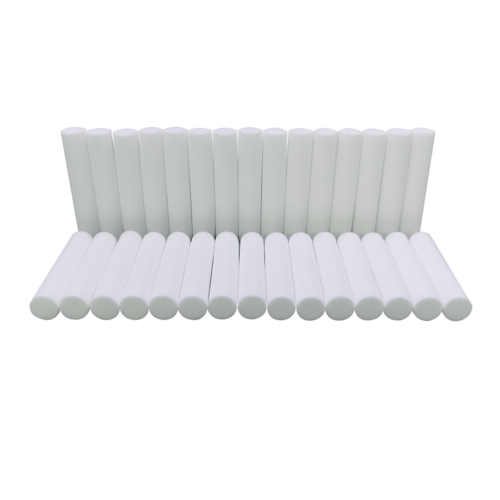
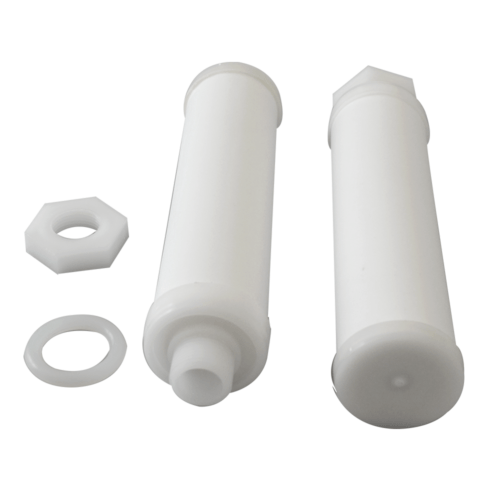
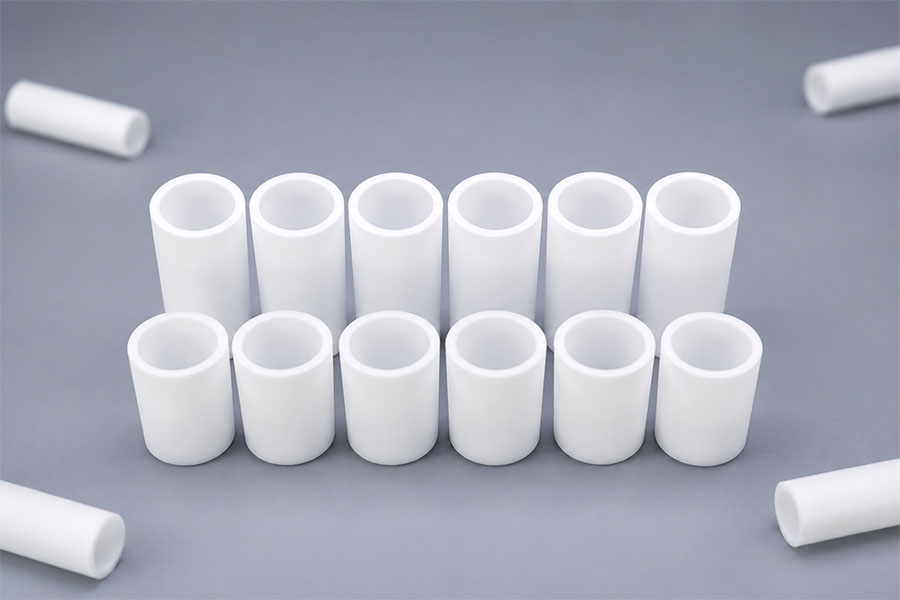
PTFE sintered filter cartridges can be fully customized to match specific system requirements. Key customization parameters include diameter, length, wall thickness, pore structure, and filtration rating. End connections such as threaded fittings, flanges, or sealed interfaces can also be designed for integration into existing equipment.

Manufacturing flexibility also allows variation in porosity and structural density, which directly impacts flow rate and filtration efficiency. Reinforcement structures may be added for high-pressure systems or cyclic operation environments.

To ensure accurate design, buyers should provide operating conditions including fluid type, temperature, pressure, target particle size, and system flow requirements. These details allow proper engineering evaluation and optimized product selection.

How to Select a PTFE Sintered Filter Supplier

Selecting a reliable PTFE sintered filter supplier requires attention to both technical capability and production consistency. Material traceability is important to ensure the use of verified raw materials and stable PTFE quality.

Dimensional accuracy and pore consistency should be controlled through standardized manufacturing processes. Buyers should also evaluate whether suppliers can provide repeatable batch production, sample validation, and technical communication support.

Additional considerations include lead time reliability, customization capability, and testing transparency. A qualified supplier should be able to support engineering discussions rather than only providing catalog products.

PTFE Sintered Filter Cartridge

Frequently Asked Questions About PTFE Sintered Filters

What makes PTFE sintered filters hydrophobic?

PTFE naturally repels water due to its molecular structure. This hydrophobic property prevents moisture from entering the porous network, making it suitable for gas filtration and venting applications where water intrusion must be avoided.

A PTFE sintered filter can typically operate in environments up to around 200°C–260°C depending on system design. Its heat resistance makes it suitable for demanding industrial and chemical processes.

PTFE has excellent chemical resistance against most acids, alkalis, and organic solvents. However, compatibility still depends on concentration, temperature, and operating conditions, so application evaluation is recommended.

PTFE sintered filters can be manufactured with a range of pore sizes, from coarse to fine micron ratings such as 0.1–0.3 μm and above. The exact configuration depends on filtration requirements and flow conditions.
Yes, in many applications PTFE sintered filters can be cleaned using appropriate methods such as rinsing, backflushing, or chemical cleaning, depending on the type of contamination and system design.

To provide an accurate quotation, suppliers typically require dimensions, pore size, operating conditions, media type (gas or liquid), and estimated flow rate. Custom design drawings are also helpful.

Engineered PTFE Filtration Solutions for Industrial Applications

Selecting the right PTFE sintered filter cartridge is not only about material choice, but also about matching pore structure, operating conditions, and system requirements. Proper engineering ensures stable filtration performance, reduced downtime, and optimized process efficiency.
Whether you need standard filter elements or fully customized designs, providing clear technical specifications such as dimensions, flow requirements, chemical environment, and filtration accuracy will help ensure the best solution.

Request a Custom Filter Quote