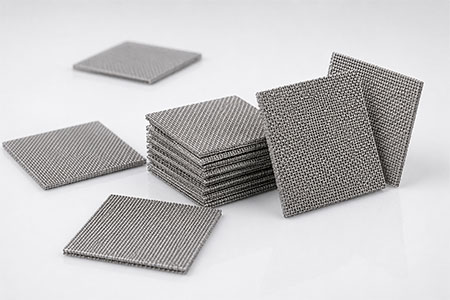
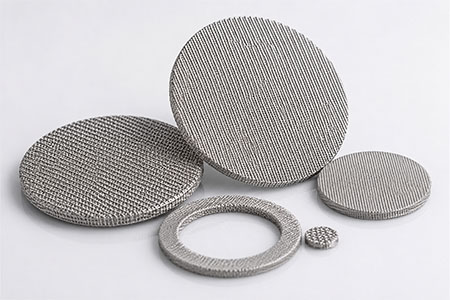
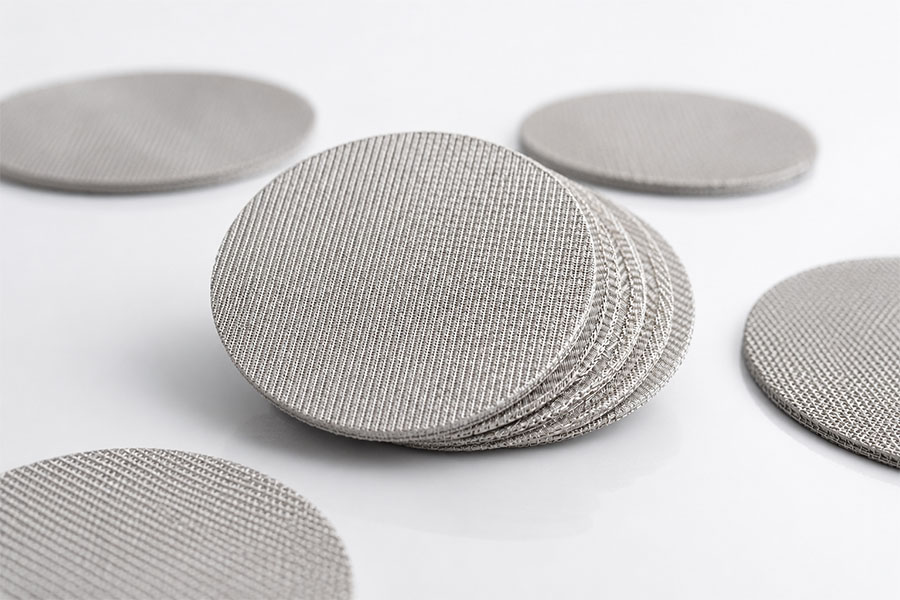
Sintered Mesh Filter Cartridge, Metal Mesh Filtration System & Industrial Sintered Mesh Filter Elements

Sintered mesh filter systems provide a robust and highly stable solution for demanding industrial filtration environments where conventional filters fail under pressure, temperature, or contamination load. Built from multilayer stainless steel mesh and precision sintering technology, these filters deliver controlled pore structure, high permeability, and long-term mechanical stability for critical fluid and gas separation processes.

In real industrial systems, sintered mesh filters operate as high-precision filter elements integrated into cartridges or housings, enabling consistent filtration performance even under fluctuating flow conditions. Their engineered pore size distribution ensures reliable micron-level separation while maintaining low pressure drop, making them ideal for continuous operations in chemical, energy, and process industries.

Unlike disposable media, sintered mesh structures are designed for regeneration and reuse, combining mechanical strength, corrosion resistance, and stable filtration accuracy in a single engineered solution.


Sintered Mesh Filters

ENGINEERING SPECIFICATIONS & PRODUCT CONFIGURATION

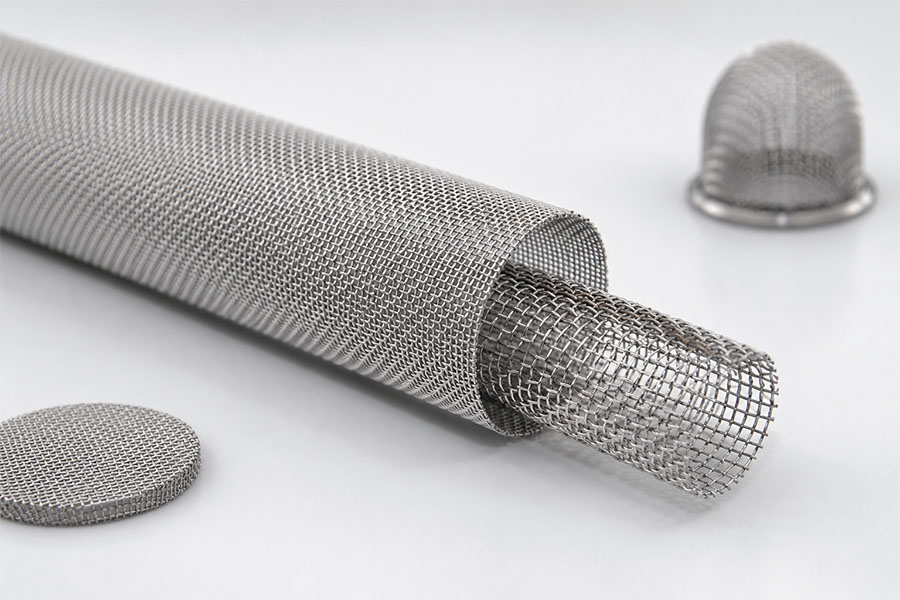
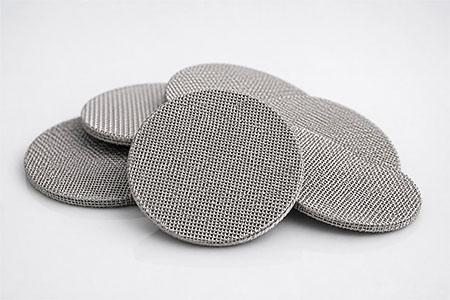
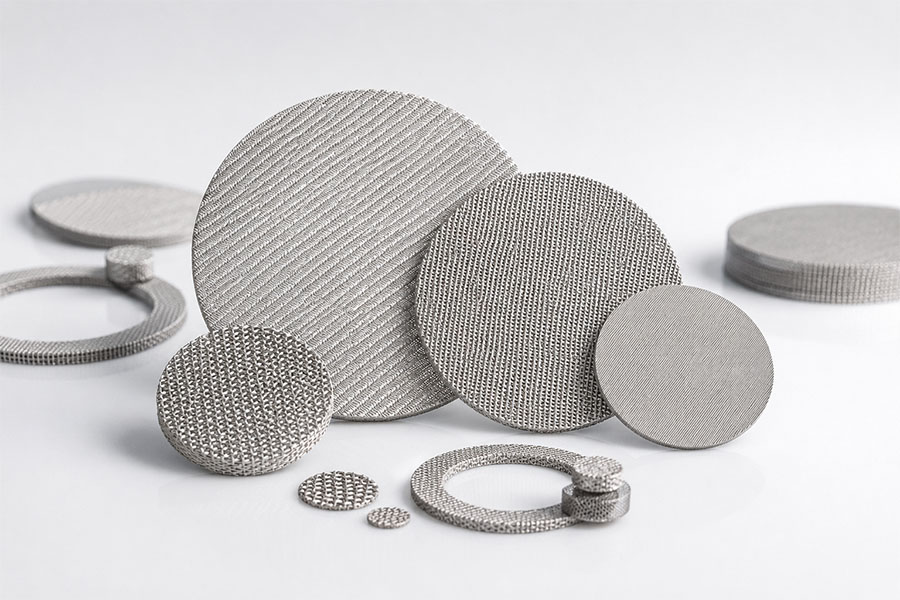
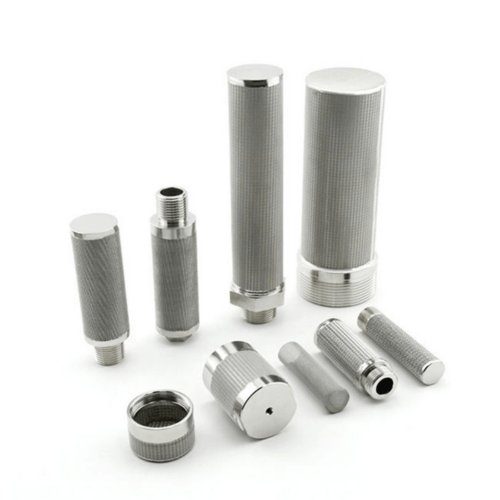
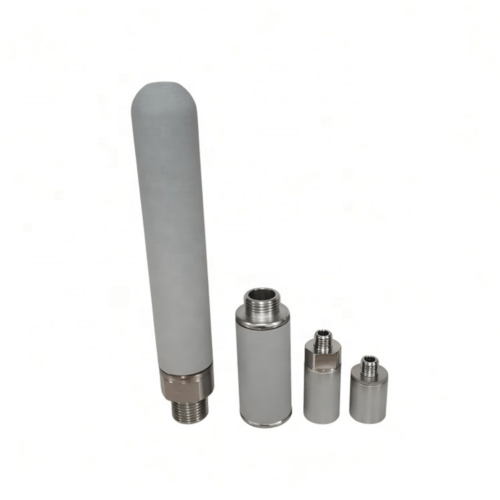
Sintered mesh filter cartridges are engineered as precision filtration components designed for stable performance in demanding industrial environments. Each filter element is manufactured from multi-layer stainless steel mesh or metal powder structures, forming a rigid and repeatable porous matrix with controlled filtration behavior.

Typical configurations include:

  • Product Name: Sintered Stainless Steel Mesh Filter Cartridge
  • Materials: SS304 / SS316L / Customized alloy mesh structures
  • Filtration Rating: 1–100 micron (customizable by application)
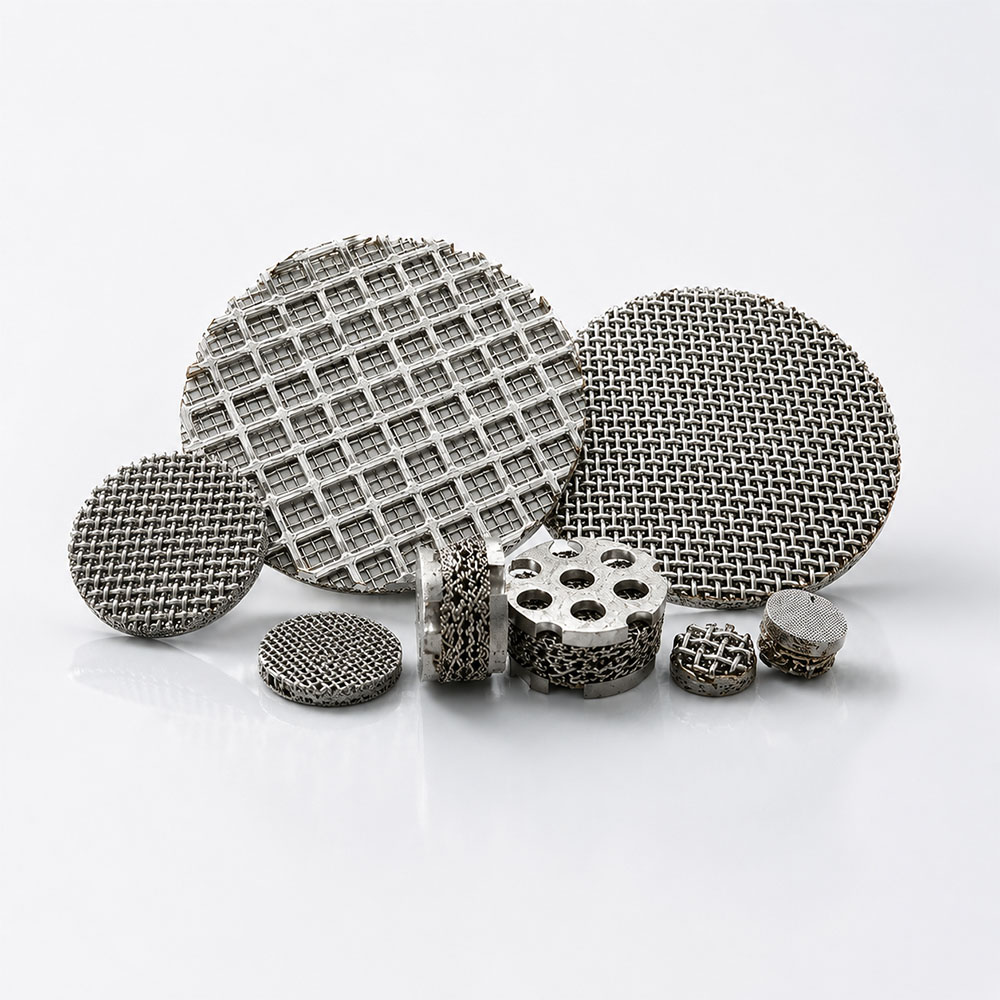
  • Structure: Multi-layer sintered mesh (support layer + filtration layer + reinforcement layer)
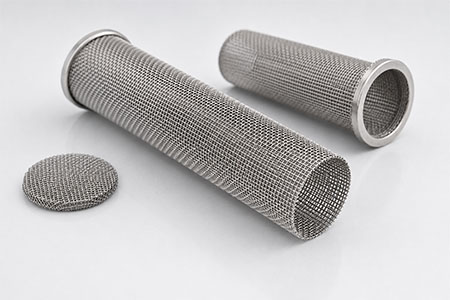
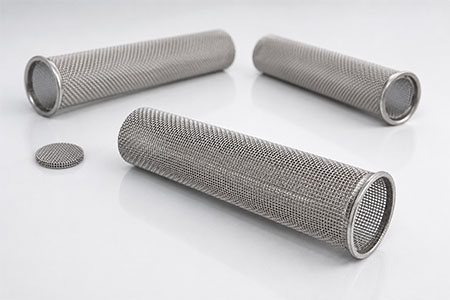
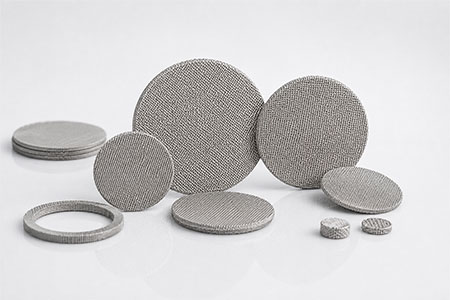
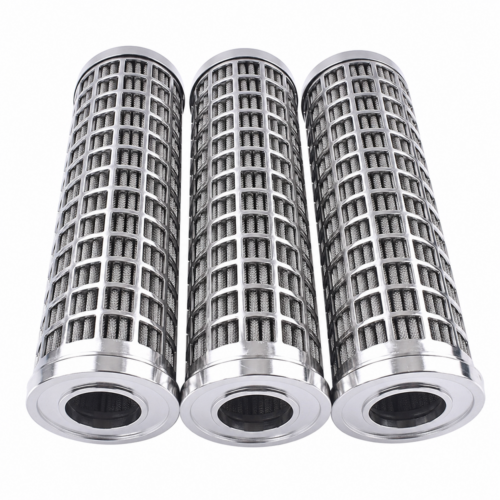
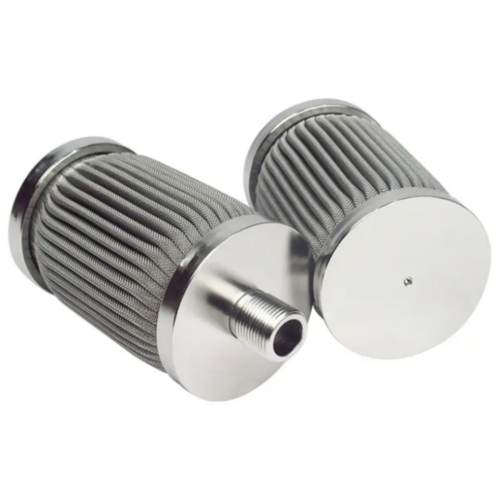
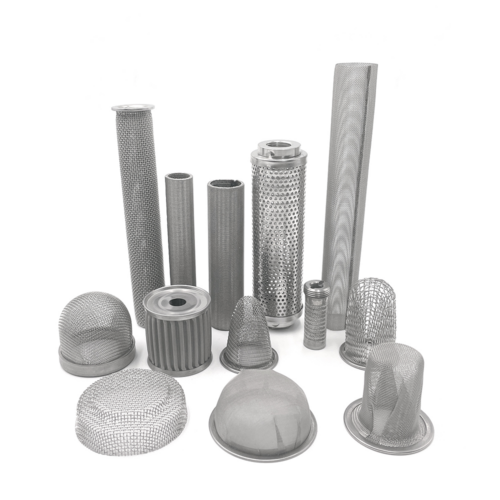
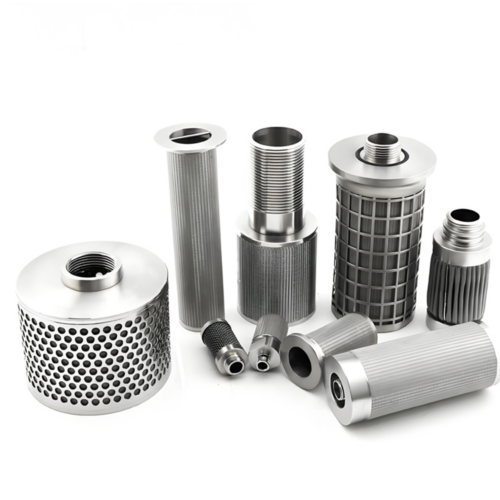
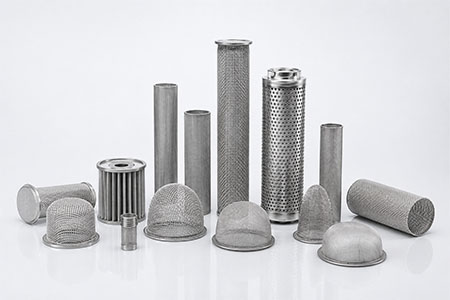
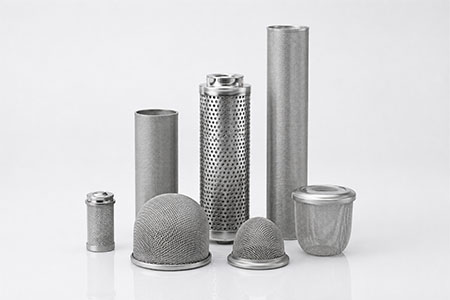
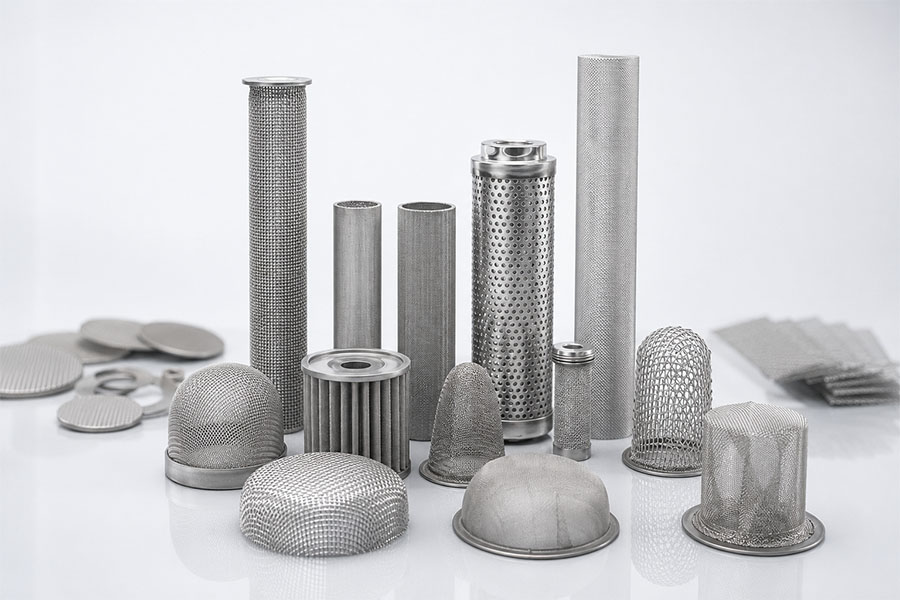
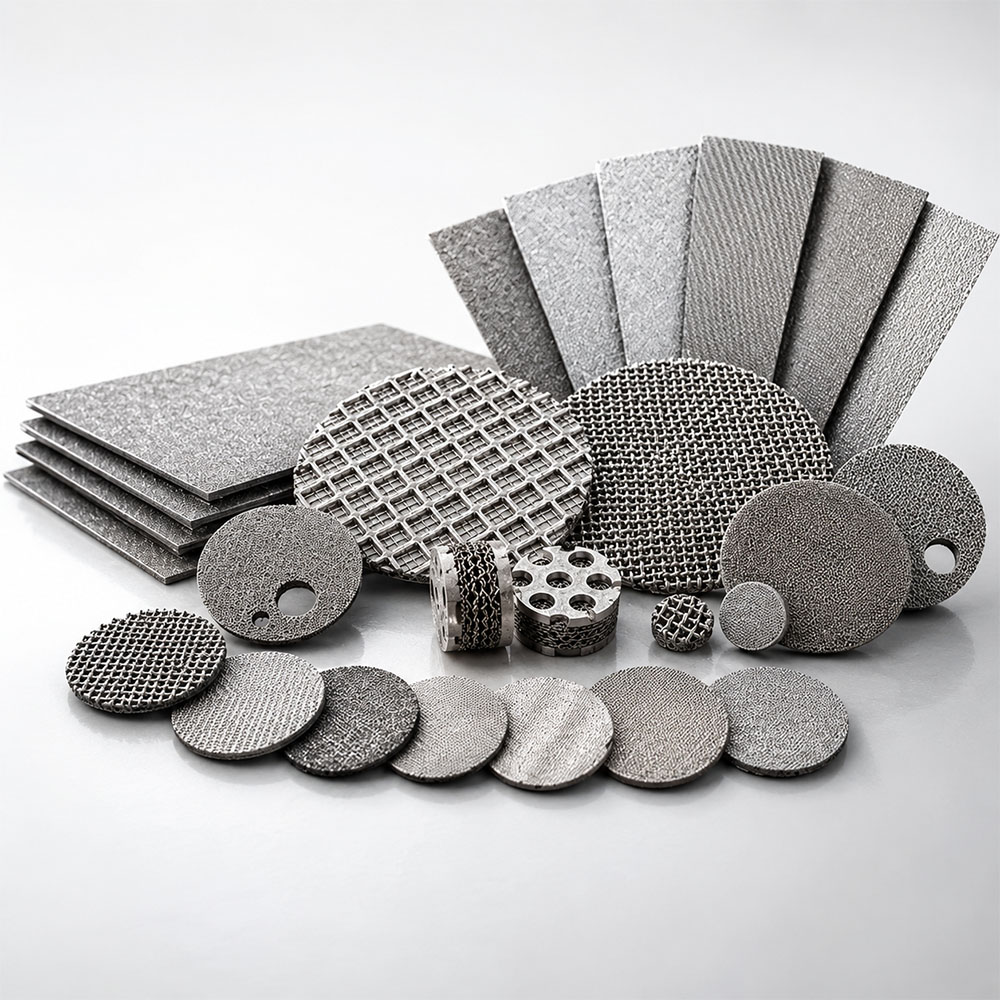
  • Form Factors: Cartridge, disc, tube, pleated or customized geometry
  • Operating Conditions: High pressure, high temperature, corrosive environments

Designed for integration into industrial filtration systems, these components provide consistent pore size control, high permeability, and stable mechanical strength across long operational cycles.

Engineers can customize specifications based on system requirements such as flow rate, pressure drop limits, and filtration precision, ensuring optimal performance in real-world applications.

INDUSTRIAL CHALLENGES & FILTERING NEEDS

Industrial filtration systems must operate under complex conditions where contamination, pressure variation, and chemical exposure continuously affect performance. Standard mesh filters often suffer from clogging, deformation, or unstable filtration efficiency, especially when exposed to fine particulate loads or aggressive fluids.

In many process industries, maintaining consistent micron-level filtration is critical to protecting downstream equipment. However, traditional woven structures lack the rigidity required for long-term stability under high differential pressure. This leads to unpredictable flow resistance, increased maintenance cycles, and reduced system reliability.

Sintered mesh filtration solves these issues by combining rigid stainless steel mesh layers into a unified porous structure that maintains stable pore size, high durability, and resistance to deformation under continuous industrial operation.

Sintered Mesh Filters

How Sintered Mesh Filters Work?

Sintered mesh filters operate through a combination of surface and depth filtration mechanisms. As fluid passes through the sintered mesh filter, suspended particles are progressively trapped within the porous structure based on micron rating and pore distribution.

Larger particles are captured on the outer mesh surface, while finer contaminants are retained within deeper layers of the filtration matrix. This multi-stage mechanism improves contamination retention without rapidly blocking the filter surface.

Because of controlled pore size engineering, sintered mesh systems maintain stable flow behavior and predictable pressure drop, even as particle loading increases. This ensures continuous filtration performance in industrial systems requiring uninterrupted operation.

Sintered Mesh Filters

TECHNICAL STRUCTURE OF SINTERED MESH FILTRATION

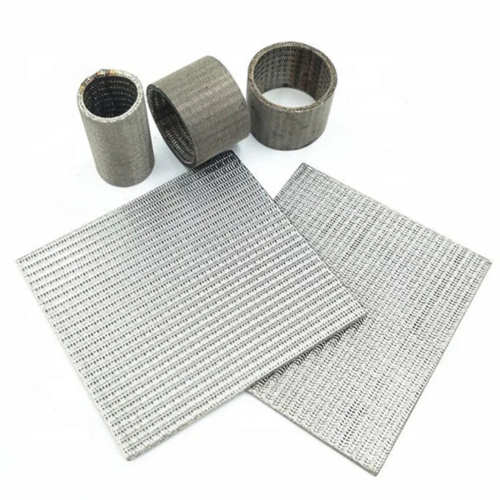
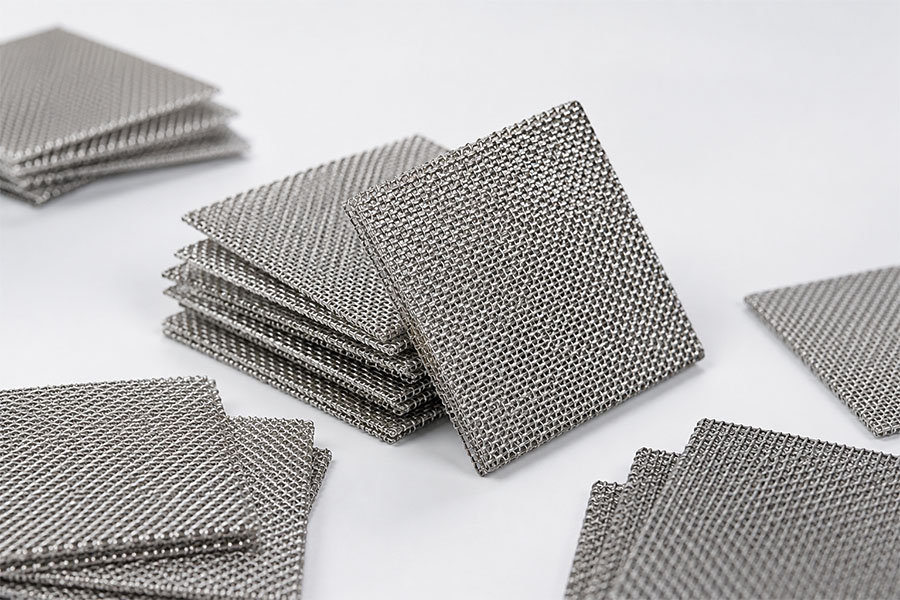
Sintered mesh filters are typically constructed from multiple layers of woven stainless steel mesh, carefully arranged to balance filtration precision and mechanical reinforcement. A common configuration includes five-layer structures composed of:

  • Protective outer mesh layers
  • Fine filtration mesh layer
  • Reinforcement mesh layers
  • Structural support mesh base

These layers are permanently bonded using high-temperature sintering, where metal powder diffusion bonding and heat treatment create a unified porous body. This process ensures that each layer contributes to both permeability control and structural integrity.

The result is a rigid, self-supporting sintered metal structure that maintains consistent pore geometry even under high flow velocity or mechanical stress, making it suitable for critical filtration environments.

KEY PERFORMANCE ADVANTAGES

Sintered mesh filter systems are engineered for demanding industrial environments where durability and stability are essential. Key advantages include:

  • High resistance to high pressure and mechanical stress
  • Excellent thermal stability for high-temperature processes
  • Reusable and cleanable filter element design
  • Long service life compared to disposable media
  • Stable filtration properties under continuous operation

The use of stainless steel and precision-bonded mesh layers ensures corrosion resistance and structural integrity across aggressive chemical environments. This makes sintered mesh filters ideal for continuous-duty industrial filtration systems.

Sintered Mesh Filters

APPLICATION INDUSTRIES

Sintered mesh filtration is widely used across industries where reliability and precision are critical:

  • Chemical processing and fine chemical production
  • Water treatment and industrial water purification
  • Oil and gas filtration systems
  • Food and beverage processing lines
  • Precision manufacturing and industrial automation systems

These filtration applications rely on stable particle separation and high durability under variable flow conditions. As a result, sintered mesh filter cartridges are widely integrated into modern filtration systems, including high-pressure pipelines and OEM equipment.

MICRO FILTRATION ACCURACY & PERFORMANCE CONTROL

Sintered mesh filters provide precise control over micron-level filtration, typically ranging from ultra-fine to coarse filtration depending on layer configuration. The uniformity of the pore network ensures stable and repeatable filter rating performance.

Unlike traditional media, where pore size distribution may vary, sintered mesh maintains consistent filtration precision across the entire surface. This ensures reliable contaminant separation without unexpected bypass or channeling effects.

Engineered pore structure consistency also improves process reliability, especially in systems requiring strict particle control, such as chemical dosing, catalyst recovery, or fluid purification processes.

Sintered Mesh Filters

WHY SINTERED MESH OUTPERFORMS TRADITIONAL FILTERS

Compared to conventional woven mesh or perforated metal filters, sintered mesh systems offer significantly improved structural stability and filtration performance.

Traditional woven mesh filters rely on mechanical weaving, which can deform under pressure and lead to inconsistent pore spacing. In contrast, sintered mesh forms a rigid, bonded structure that maintains uniform geometry even under extreme conditions.

Key performance differences include:

  • Higher resistance to clogging and deformation
  • Improved durability under cyclic pressure loads
  • More stable filtration efficiency over long service cycles
  • Better resistance to abrasion and chemical attack

Because of these advantages, sintered mesh is increasingly replacing conventional mesh layers and perforated filtration media in high-performance industrial applications.

ENGINEERING SOLUTION CONSULTATION

Every industrial filtration system has unique process requirements, and selecting the correct filter element design is critical for long-term efficiency and reliability.

Our engineering team provides full support for:

  • OEM customization of sintered mesh filter cartridges
  • Filtration system integration and design optimization
  • Material selection (stainless steel grades, alloys, mesh combinations)
  • Micron rating and pore structure engineering
  • Technical datasheets and performance validation support

If you are designing or upgrading an industrial filtration system, contact our engineering team for a tailored solution. We provide application-specific recommendations to ensure optimal filtration performance, stability, and long-term operational efficiency.
Request a Custom Filter Quote