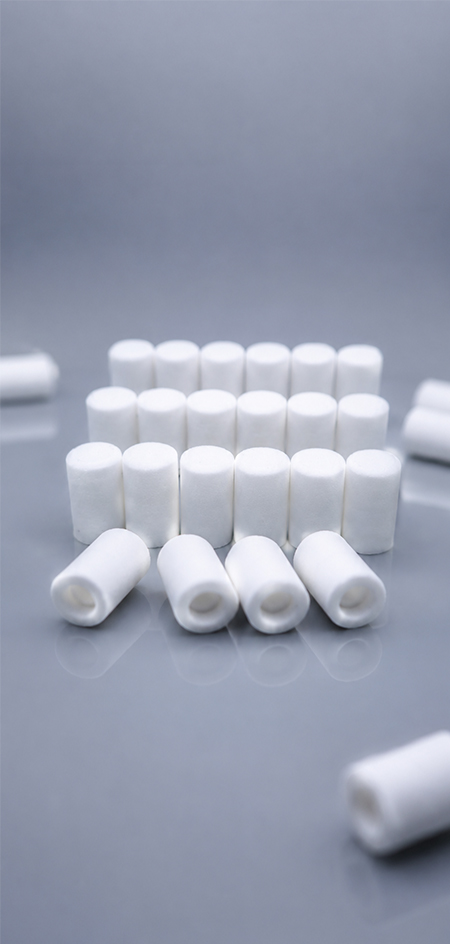
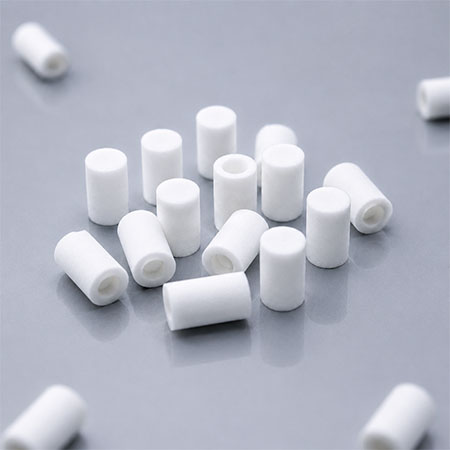
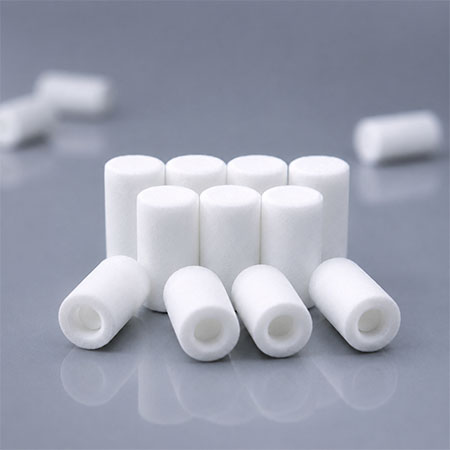
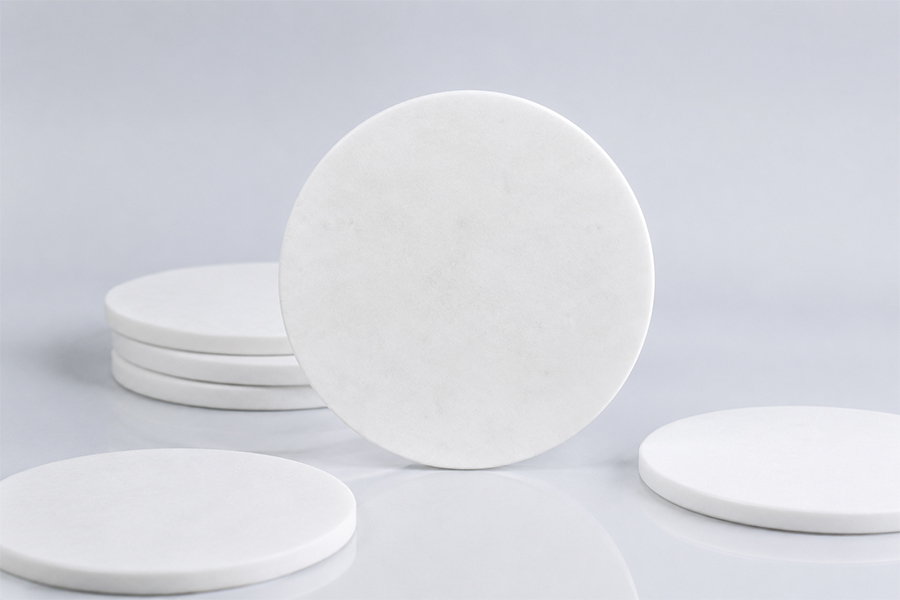
Sintered PP Filter Cartridge for Reliable Industrial Filtration

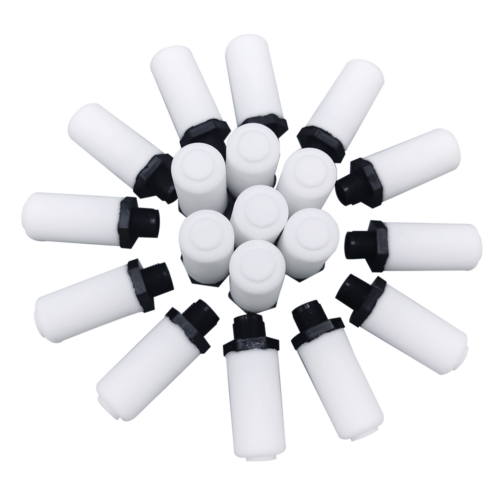
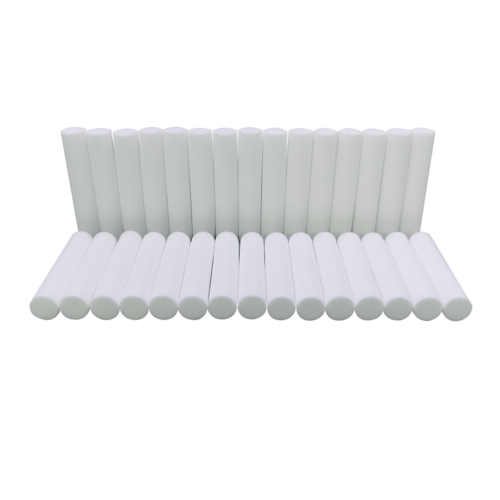
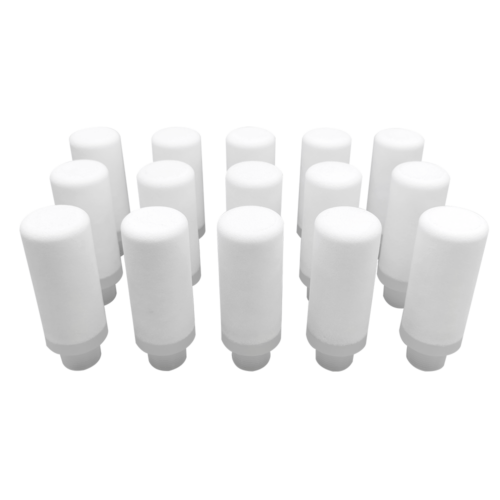
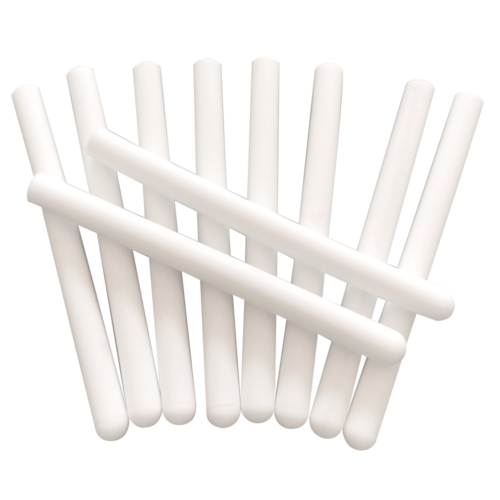
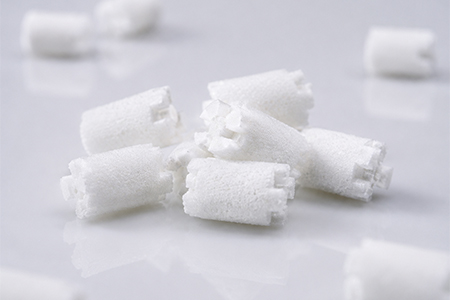
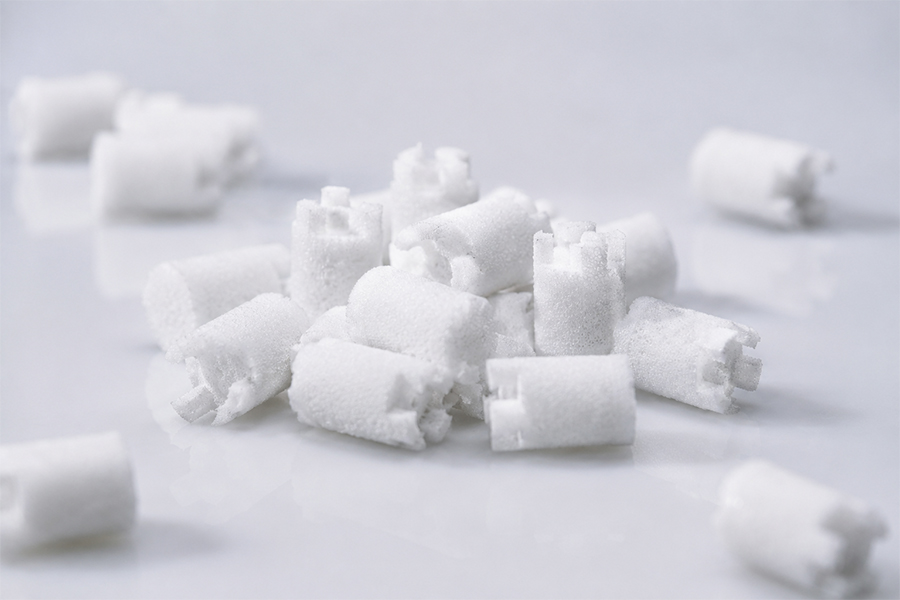
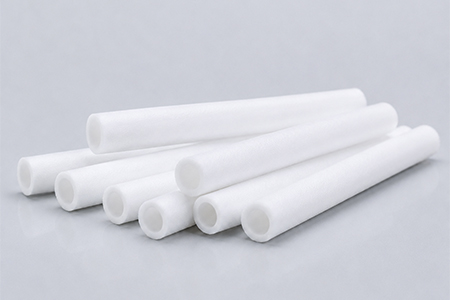
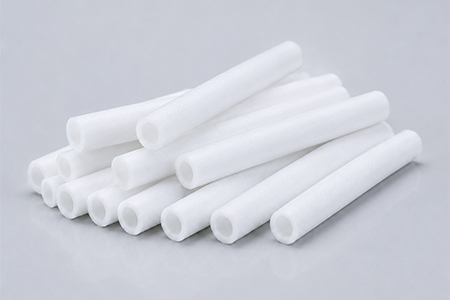
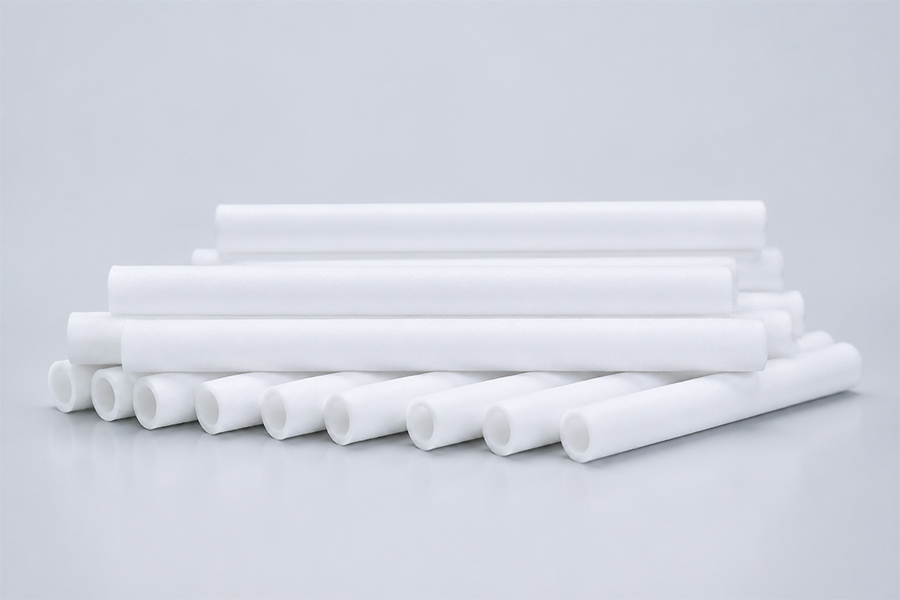
A sintered PP filter cartridge is a rigid, porous filtration element manufactured from polypropylene particles that are formed and bonded through a controlled sintering process. Its interconnected pore structure captures particulate matter as liquid or gas passes through the cartridge, helping protect downstream equipment and maintain process cleanliness.

This filter is commonly considered for water treatment, chemical filtration, process-fluid clarification, laboratory equipment, air filtration, and industrial filtration systems. Polypropylene offers low moisture absorption and broad chemical resistance, while the rigid filter media provides dimensional stability and consistent filtration during operation.

Cartridge dimensions, micron rating, end connections, porosity, and structural design can be customized to suit your filter housings and operating conditions. Final suitability should always be confirmed against the process fluid, temperature, working pressure, required flow, and cleaning method.
Request technical specifications, application support, or a quotation for your required sintered PP filter cartridge.

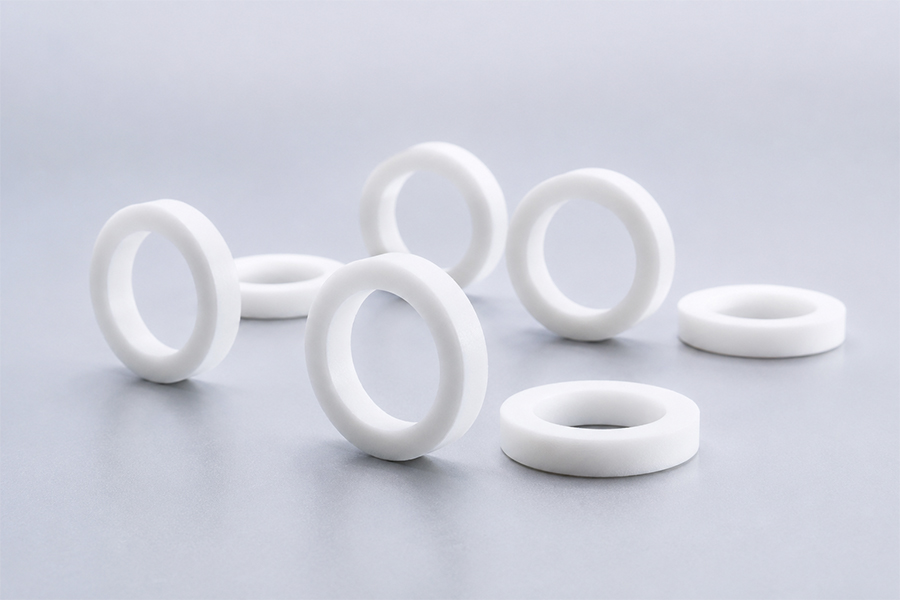
PP Sintered Filter Cartridge

How Does a Sintered PP Filter Cartridge Work?

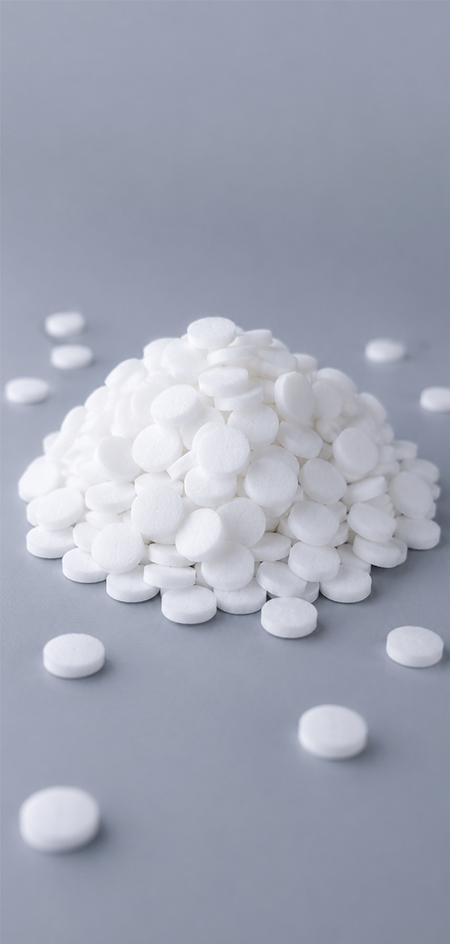
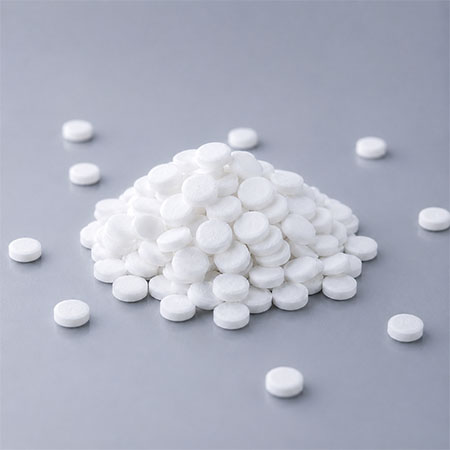
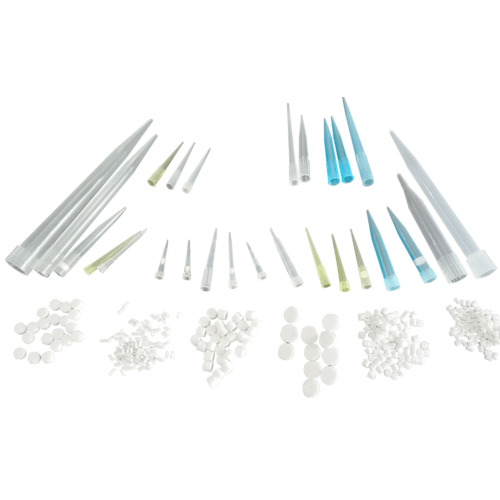
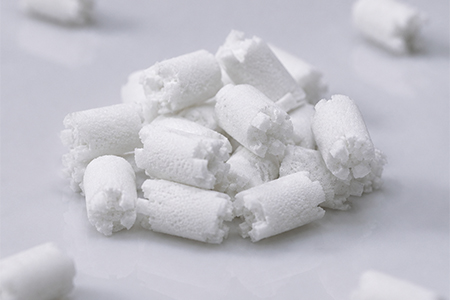
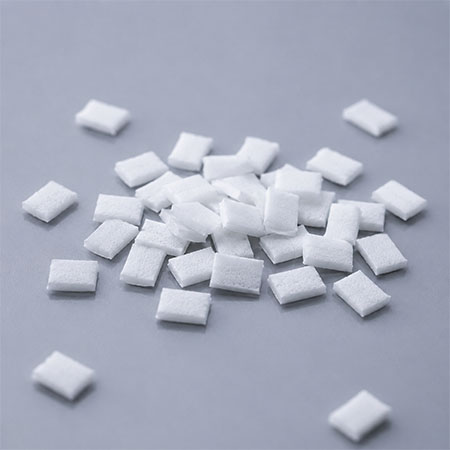
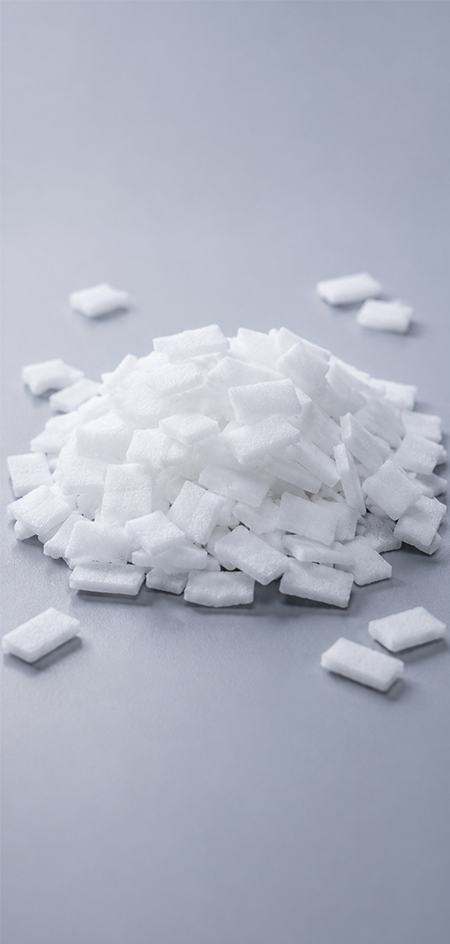
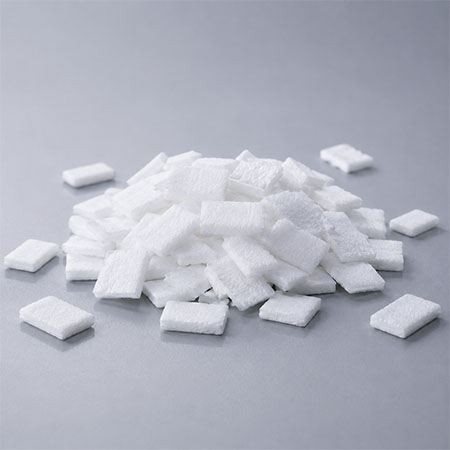
A sintered polypropylene filter is produced by heating selected PP resin particles under controlled conditions without fully melting the material. During the sintering process, the particles bond at their contact points and form a strong porous structure with interconnected flow paths.

As fluid or gas moves through the filter wall, suspended contamination is retained within the pore network and on the media surface. The pore characteristics, wall thickness, cartridge geometry, and operating differential pressure all influence retention performance, flow rate, and service life.

Unlike flexible filter bags or loosely structured media, a rigid cartridge filter maintains its shape during installation and normal operation. This can make it suitable for filtration applications requiring a self-supporting element, stable dimensions, and repeatable placement inside compatible filter housings.

Available Sintered PP Filter Cartridges and Custom Solutions

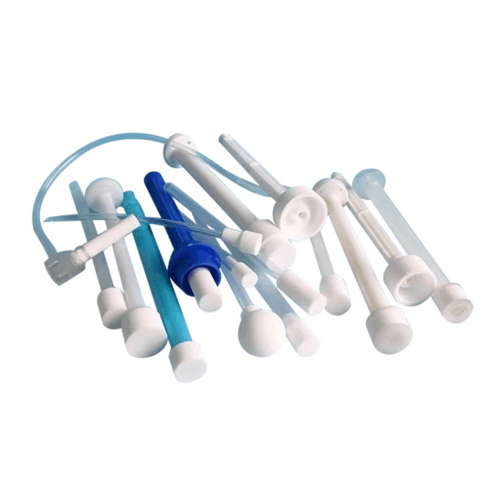
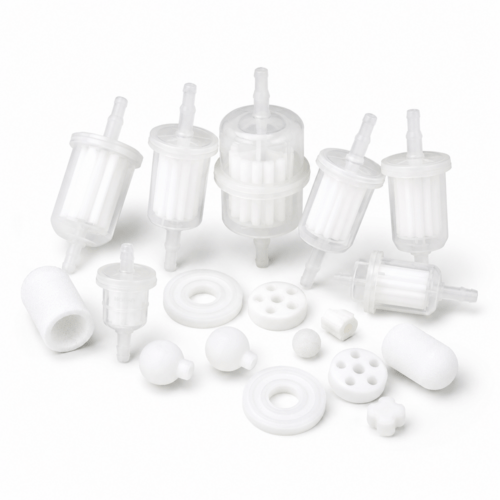
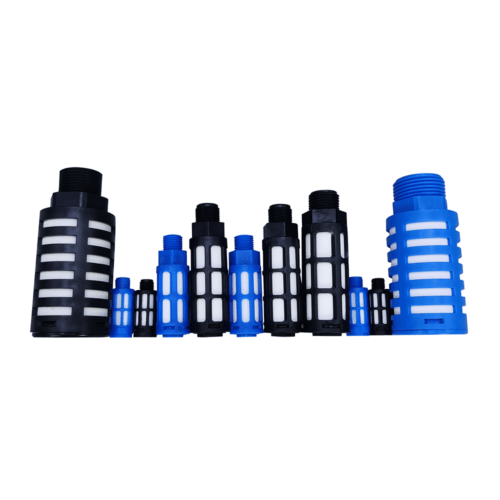
Different configurations can be supplied according to the required filtration duty, housing design, installation method, and process conditions. Buyers may select or customize the cartridge length, outside and inside diameter, pore grade, wall structure, end connection, sealing arrangement, and other dimensional details after technical evaluation.
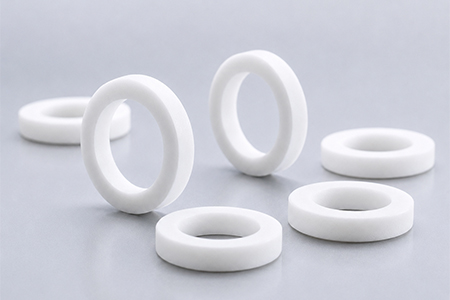
PP Sintered Filter Cartridge

Main Features of Porous Polypropylene Filter Elements

Sintered PP filter elements combine the practical properties of polypropylene with a rigid, porous filtration structure. They are often selected when buyers need a lightweight filter material that resists many aqueous chemicals and maintains its form during handling and installation.

Key advantages may include:

  • Controlled pore distribution for consistent particle retention

  • Broad resistance to many acids, alkali solutions, and process chemicals

  • Low moisture absorption and low material density

  • Rigid, self-supporting construction

  • Customizable dimensions, pore grades, and connections

  • Suitability for liquid or gas filtration, subject to design confirmation

  • Potential for cleaning and reuse in suitable operating environments

The actual durability of a polypropylene filter cartridge depends on its dimensions, pore structure, exposure conditions, differential pressure, cleaning procedure, and compatibility with the process media. These factors should be reviewed before the final specification is approved.

How Do Pore Structure and Micron Ratings Affect Filtration?

The micron rating indicates the approximate particle size targeted by the filter, but it should not be evaluated alone. Filtration performance also depends on pore distribution, porosity, cartridge thickness, flow direction, fluid viscosity, solids loading, and the difference between nominal and absolute retention definitions.
A finer pore grade may capture smaller particles, but it can also create greater flow resistance. A more open porous structure may support higher flow but provide different retention characteristics. The appropriate balance should therefore be based on the required cleanliness level, available pressure, desired flow, and expected particulate load.

Do not assume that a stated value such as 0.5 micron automatically defines the complete performance of the cartridge. Buyers should ask how the micron ratings are determined and request relevant technical data for the intended filtration application.

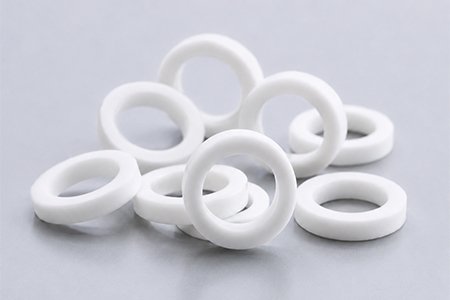
PP Sintered Filter Cartridge

Sintered PP Filter Cartridge Specifications and Configurations

Each specification should be matched to the filtration system rather than selected from micron rating alone. Important configuration details include the overall length, outside diameter, inside diameter, wall thickness, pore grade, end design, sealing method, and direction of flow.

Operating information is equally important. The supplier should review the process fluid or gas, normal and maximum temperature, working pressure, expected differential pressure, required flow, solids concentration, cleaning method, and installation environment.

Where exact data has not yet been established, a filter cartridge manufacturer can evaluate samples, drawings, housing dimensions, or an existing element. Final limits for temperature, pressure, and chemical exposure may vary by polypropylene grade and product construction. PP should not automatically be specified for high-temperature service or high differential pressure without engineering confirmation.

Where Are Sintered PP Filters Used?

Sintered PP filters are used across various industries where particulate control and chemical compatibility are important. Typical applications may include water treatment, process-liquid clarification, chemical transfer equipment, laboratory devices, gas distribution, equipment protection, and selected corrosive environments.

Common uses include:

  • Removing particles from water and compatible process fluids

  • Prefiltration before sensitive downstream components

  • Chemical filtration of acids, alkalis, and compatible solutions

  • Protecting pumps, valves, nozzles, instruments, and analyzers

  • Venting, sparging, gas distribution, and compatible air filtration

  • Filtration in laboratory or small process equipment

  • OEM assemblies requiring a custom porous plastic filter

Application suitability must be assessed individually. Fluid chemistry, temperature, pressure, particle size, viscosity, sanitation requirements, and contamination risk can all affect product selection.

PP Sintered Filter Cartridge

Is Polypropylene Suitable for Corrosive Chemicals?

Polypropylene is valued for its resistance to many acids, bases, and aqueous chemical solutions. This makes a sintered plastic filter useful in applications where certain conventional materials may corrode or where a lightweight polymer element is preferred.
Chemical resistance is not universal. Compatibility can change with chemical concentration, exposure duration, temperature, mechanical stress, and the specific PP resin grade. Aggressive chemicals, oxidizing agents, solvents, or elevated temperatures may require additional evaluation.

Alternative materials should be considered when PP does not meet the operating conditions. PE or sintered polyethylene may suit different temperature and mechanical requirements. PTFE may be chosen for broader chemical compatibility, while ceramic, sintered metal, stainless steel, or a metal cartridge may be more appropriate for high-temperature, abrasive, or demanding pressure conditions. These materials should not be treated as having identical performance.
Custom PP Filter Cartridge Manufacturing and OEM Options

Custom manufacturing allows the element to fit an existing housing, replace a discontinued component, or integrate into new OEM equipment. Buyers can customize dimensional and functional details instead of modifying the filtration system around a standard cartridge.

Common customization parameters include:

  • Cartridge length, diameter, and wall thickness

  • Micron grade and target pore characteristics

  • Open, closed, threaded, flanged, or fitted ends

  • Sealing surfaces and gasket interfaces

  • Internal or external supports where required

  • Installation orientation and flow direction

  • Prototype, sample, or drawing-based manufacture

  • Packaging, labeling, and exporter documentation requirements

For accurate development, provide a technical drawing or physical sample whenever possible. The manufacturer should confirm manufacturability, tolerances, material selection, and expected performance before production.

PP Sintered Filter Cartridge

Quality Control and Supplier Evaluation

Manufacturing consistency is essential because variations in particle size, heating conditions, density, and forming pressure can influence uniform pore size, dimensions, strength, and flow behavior. A capable supplier should control raw material selection, tooling, sintering conditions, finishing, inspection, and traceability.

Buyers should evaluate how the manufacturer checks cartridge dimensions, visible defects, sealing surfaces, structural integrity, and filtration-related properties. Any required ISO compliance, material declaration, cleanliness standard, or application-specific documentation must be requested and verified rather than assumed.

A filter cartridge supplier should also be able to discuss tolerance requirements, batch consistency, inspection records, sample approval, and change control. These factors are especially important when the element will be installed in repeated OEM production or critical filtration systems.

How to Select the Right Sintered Filter Cartridge

Start with the required filtration result, then confirm whether polypropylene is compatible with the process. The right element should provide adequate particle retention and flow without exceeding the allowable pressure drop or exposing the polymer to unsuitable conditions.

When requesting a recommendation or quotation, provide:

  • Fluid or gas being filtered

  • Particle type and target micron rating

  • Required flow rate

  • Normal and maximum operating temperature

  • Normal working pressure and maximum differential pressure

  • Cartridge length, outside diameter, and inside diameter

  • End connection and sealing requirements

  • Filter housing details

  • Cleaning or replacement preference

  • Required quantity and sample needs

For replacement projects, photographs alone may not provide enough information. A drawing, sample, or complete measurement record helps prevent dimensional errors and allows the proposed PP filter to be checked against the existing system.

PP Sintered Filter Cartridge

Frequently Asked Questions About Sintered PP Filters

Can different micron ratings be supplied?

Different pore grades may be manufactured, depending on the available material, tooling, cartridge dimensions, and performance requirements. Confirm whether the rating is nominal or absolute and request supporting technical information before selection.

Some elements may be cleaned and reused when the retained contamination can be removed without damaging the filter media. Reusability depends on the contaminant, pore size, cleaning method, chemical exposure, and acceptance criteria.

No. Polypropylene has broad chemical resistance, but compatibility varies with the chemical, concentration, temperature, exposure time, and mechanical stress. A chemical compatibility review is required for each application.

Yes, custom dimensions and connection designs may be possible. Provide the housing drawing, existing cartridge sample, sealing details, and required tolerances so compatibility can be evaluated.

Sample availability depends on the specification, tooling, material, and manufacturing requirements. Buyers should state whether they need a standard evaluation sample or a fully customized prototype.

Provide the dimensions, micron rating, application, process fluid or gas, temperature, pressure, end connection, required quantity, and any documentation requirements. More complete information allows a more accurate technical and commercial response.

Request a Custom Sintered PP Filter Cartridge Quotation

Send your required dimensions, micron grade, operating conditions, process media, housing details, and quantity for technical review. You may also provide a drawing, reference sample, or current cartridge specification for replacement evaluation.

Request a quotation, technical data, sample, or customized solution for your water treatment, chemical filtration, air filtration, laboratory, industrial, or OEM application.

Request a Custom Filter Quote