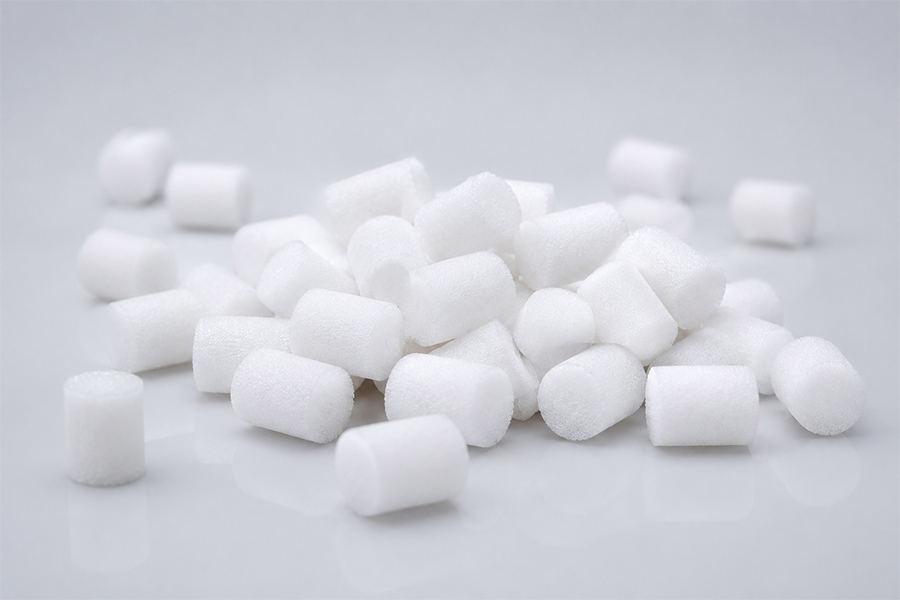
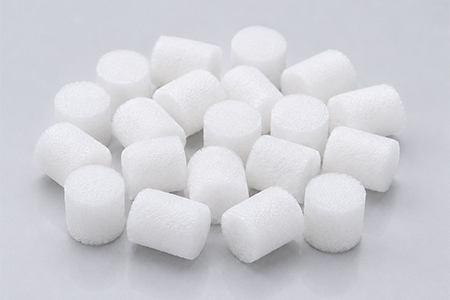
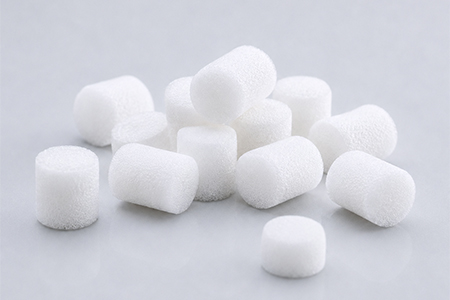
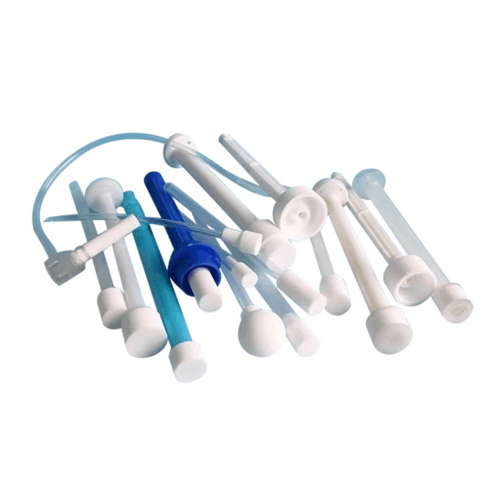
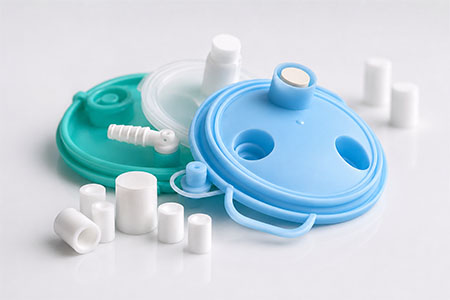
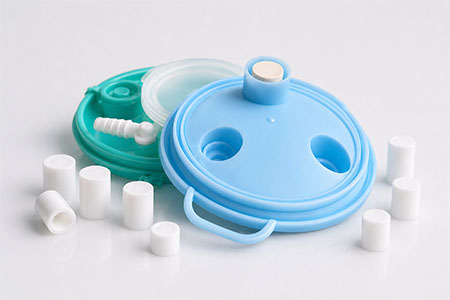
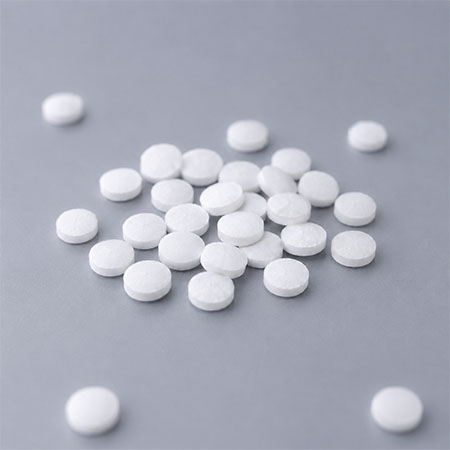
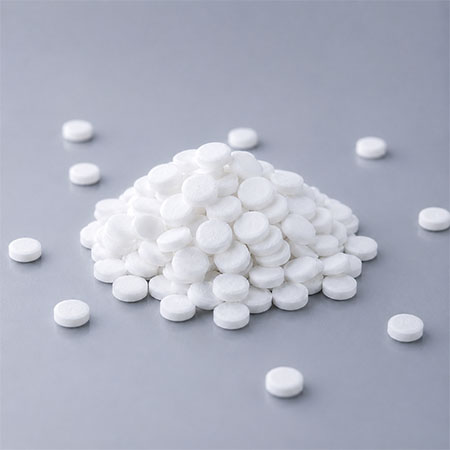
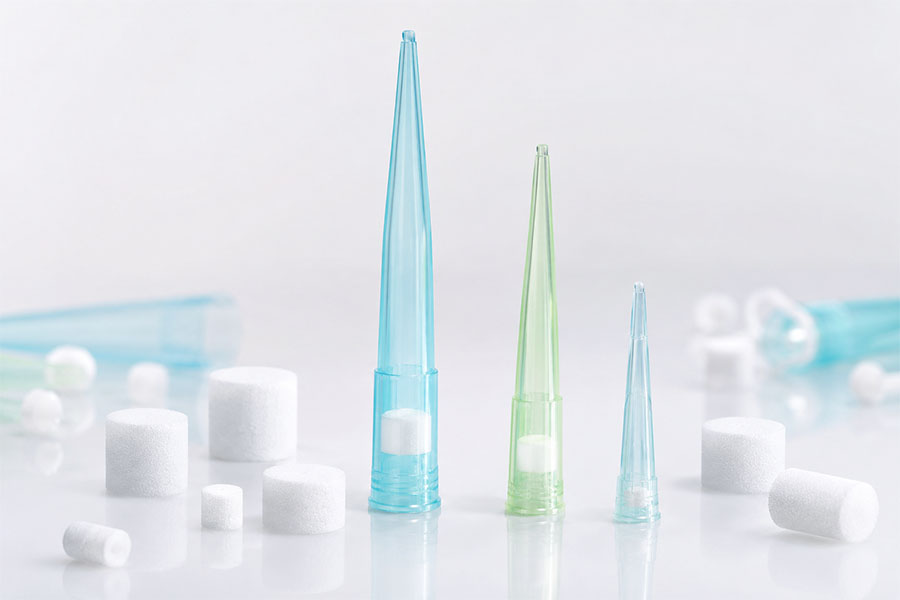
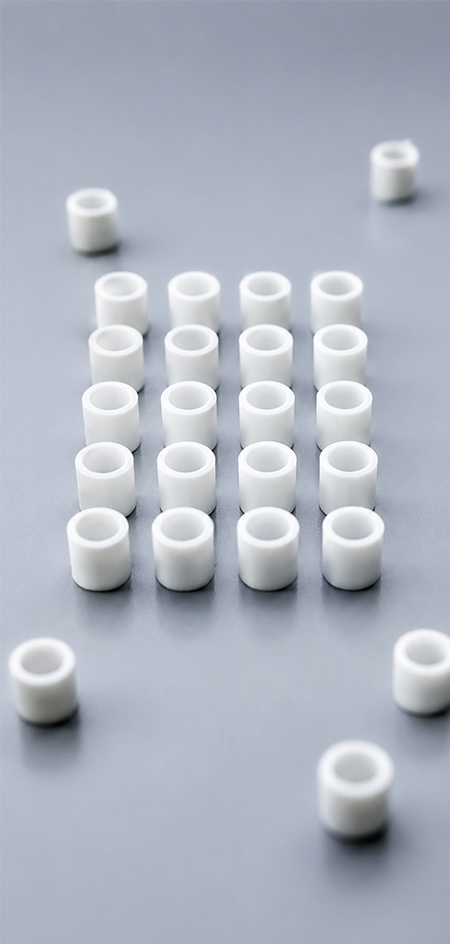
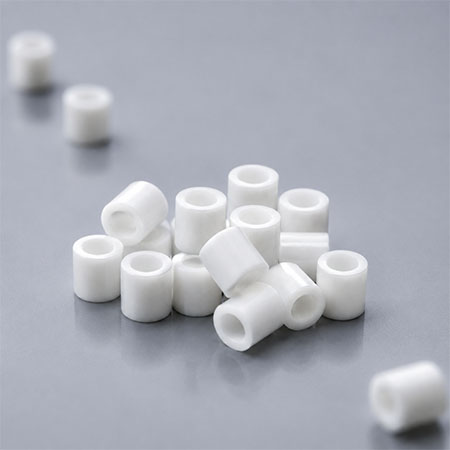
Sinter, Filter, Plastic Filters, Porous Sintered Porous Plastic Filter & Porous Plastic Filters for Industrial Filtration Solutions

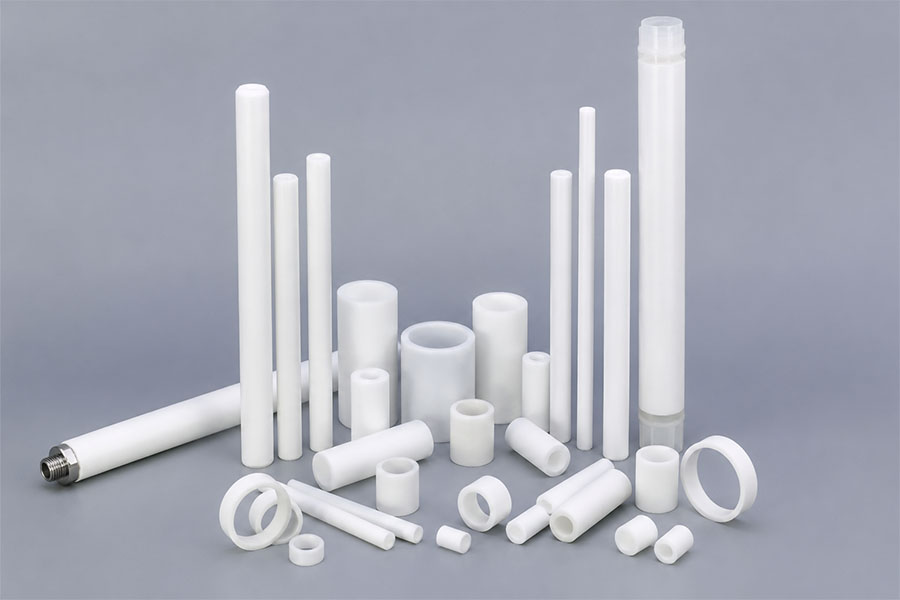
Sinter, filter systems, and plastic filters based on porous sintered structures are engineered to deliver stable, repeatable performance in demanding industrial environments. A sintered porous plastic filter is formed through controlled thermal bonding of powdered polymers such as PE or PP, creating a rigid porous network that supports precise filtration behavior and long service life.

In industrial filtration systems, porous plastic filters are widely used where consistent flow control, chemical resistance, and structural stability are required. The sintered porous plastic filter provides predictable pore distribution, making it suitable for liquid filtration, gas handling, and process protection in chemical, water treatment, and pneumatic systems.

From an engineering perspective, sintering enables particle bonding without full melting, preserving controlled porosity and mechanical strength. This makes sintered porous plastics ideal for applications requiring high filtration efficiency, uniform pore structure, and long-term operational stability under varying pressure and chemical conditions.


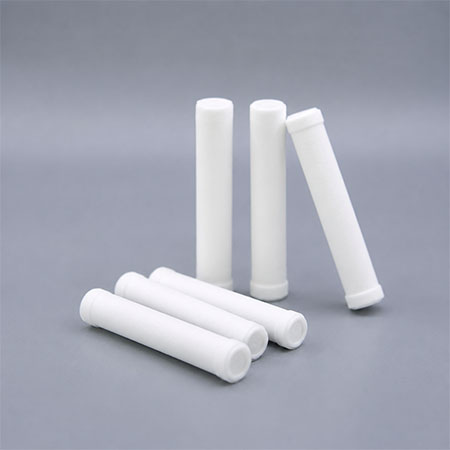
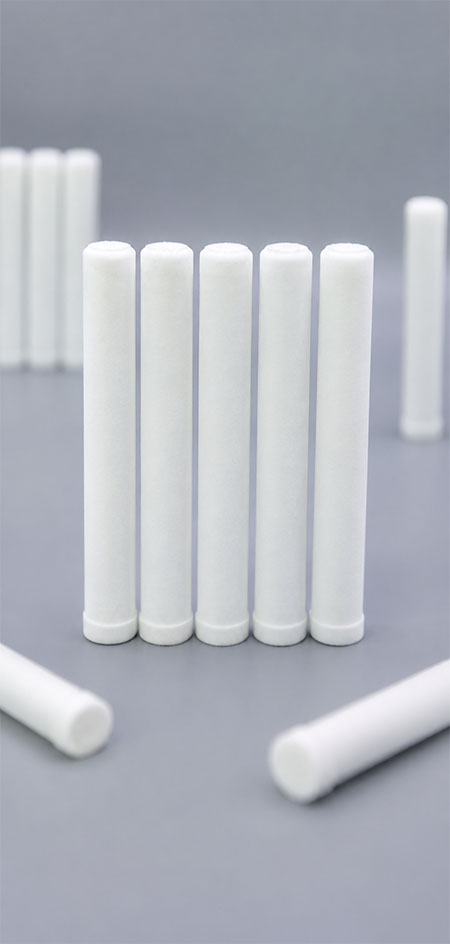
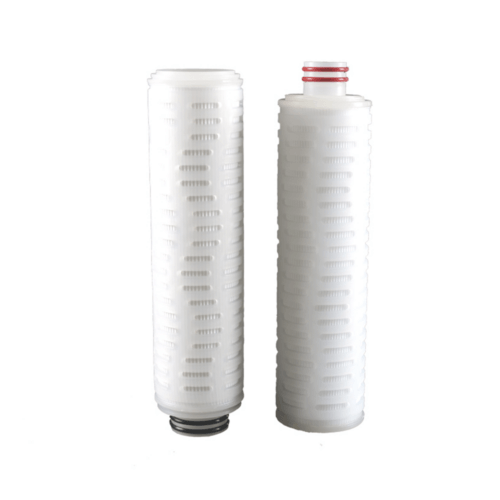
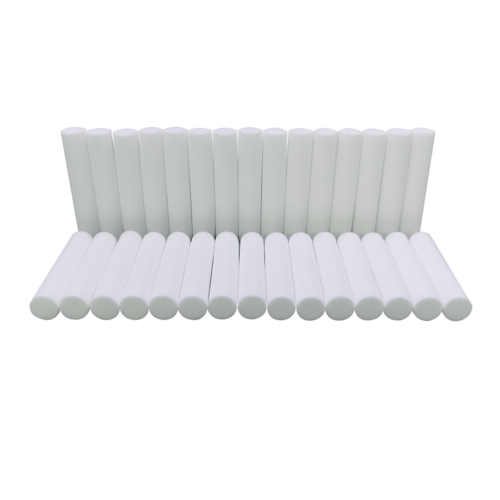
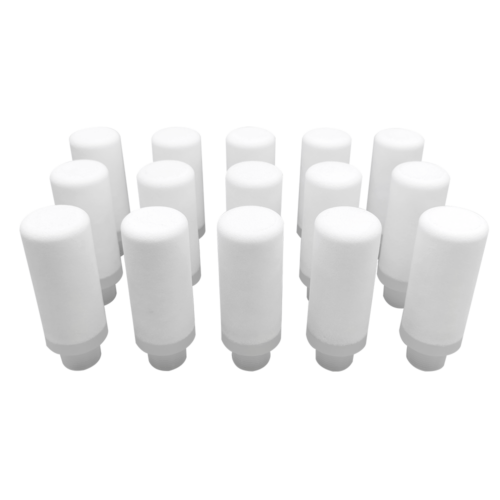
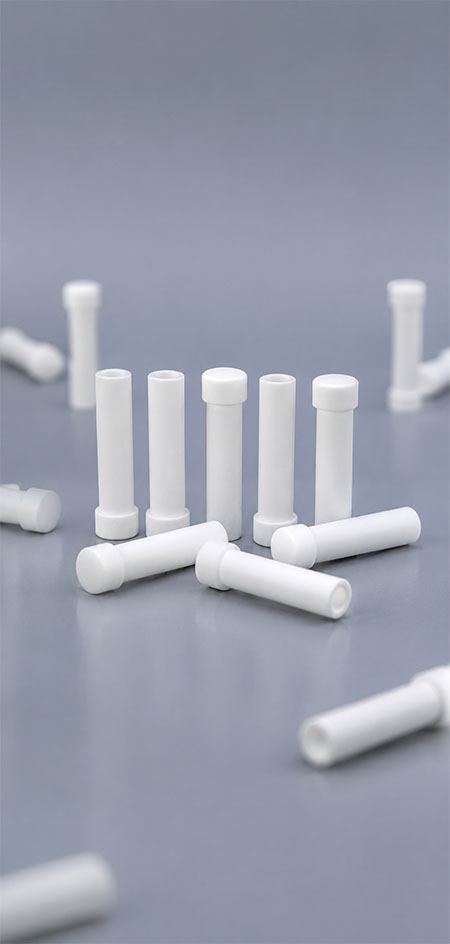
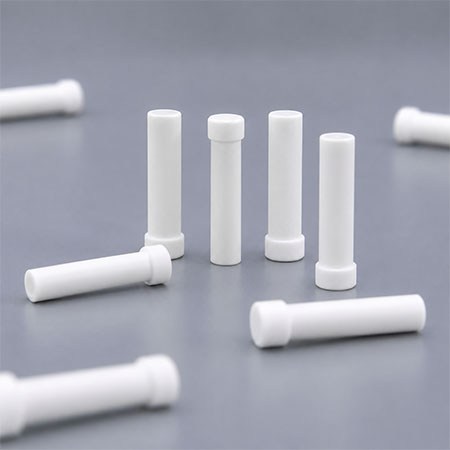
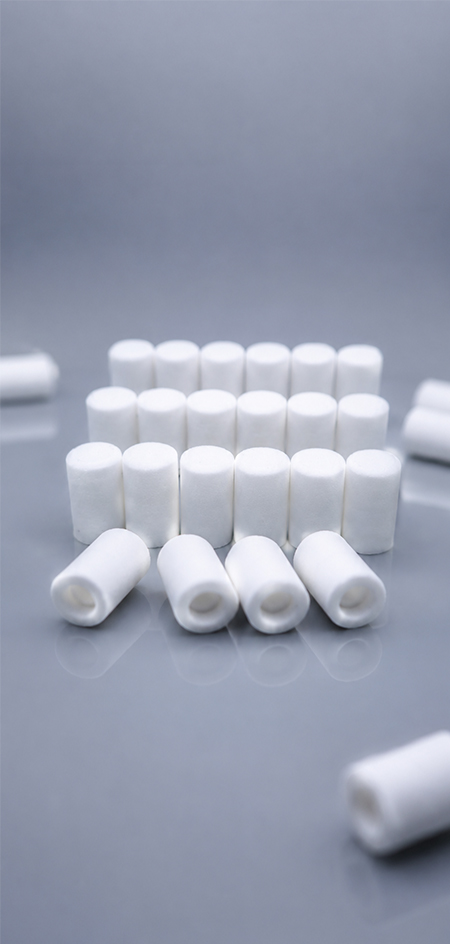
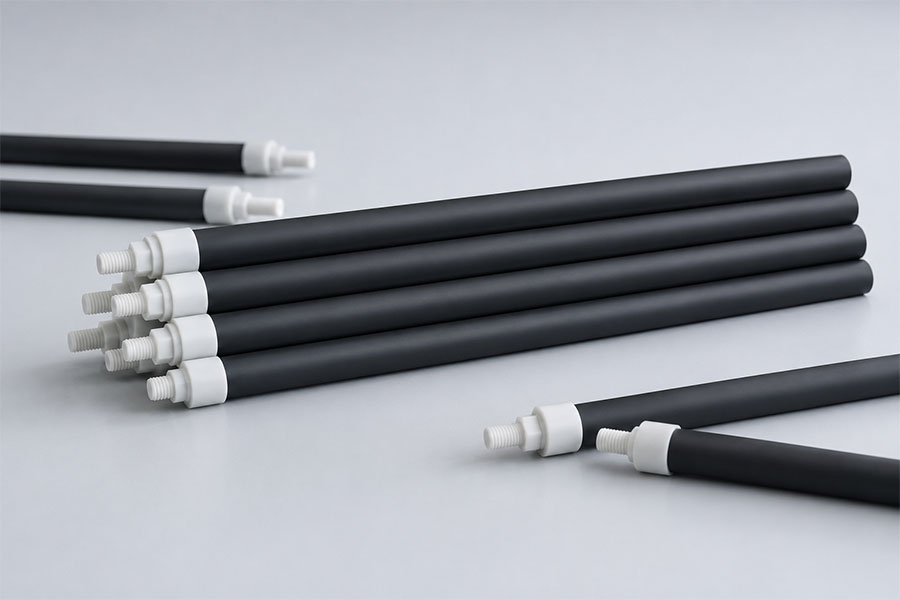
PP Sintered Filter Cartridge

What is a sinter-based filter and how does porous plastic filtration work?

A sintered filter is produced by bonding polymer or metal particles under heat below melting point, forming a rigid porous matrix used for filtration and flow regulation. In porous plastic filters, this structure creates interconnected channels that allow controlled passage of fluid while retaining contaminants.

The filtration mechanism relies on depth filtration rather than surface blocking. Contaminants are trapped within the porous structure, improving dirt-holding capacity and extending service life. This makes sintered porous plastic filter systems highly effective in continuous industrial filtration processes.

From a process engineering standpoint, filtration performance is determined by pore size distribution, porosity, and material selection (PE, PP, PTFE). These parameters directly influence filtration rate, chemical compatibility, and pressure drop across the cartridge.

How does sintering technology define pore structure in plastic filters?

Sintering is a controlled thermal process where polymer particles fuse at contact points without full melting, forming a stable porous network. This process determines pore geometry, mechanical stability, and filtration consistency.

During sinter processing, particle diffusion creates uniform bonding, which defines pore size and structural strength. The result is a sintered filter with predictable permeability and stable porosity across the entire cartridge body.

For industrial users, this ensures repeatable filtration behavior even under variable pressure and flow conditions. It also reduces the risk of channeling or structural collapse during long-term operation.
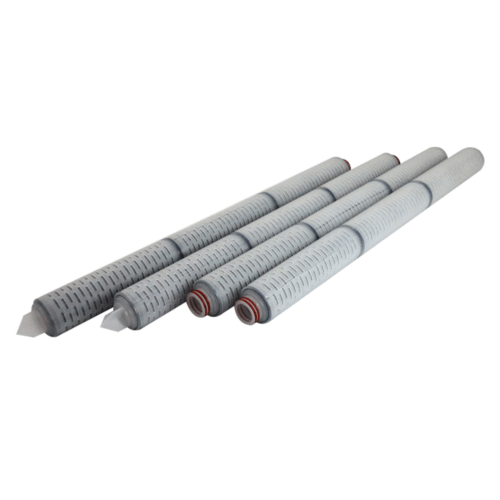
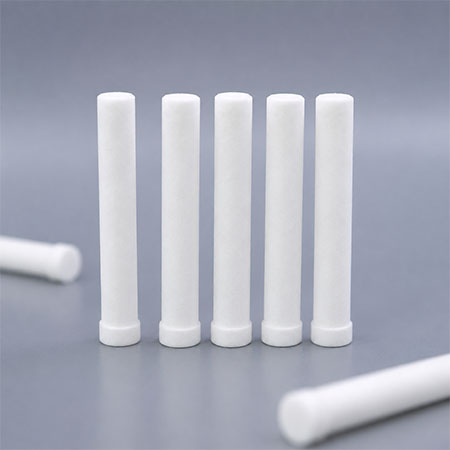
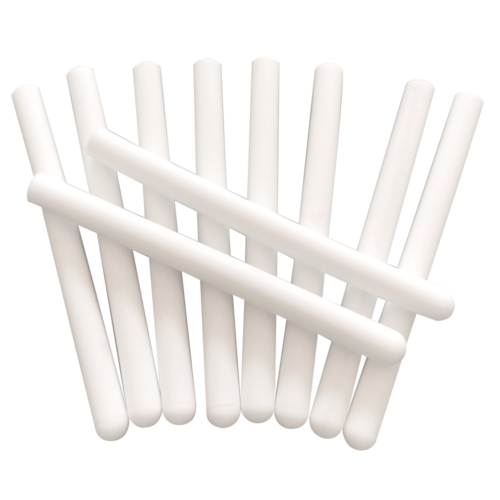
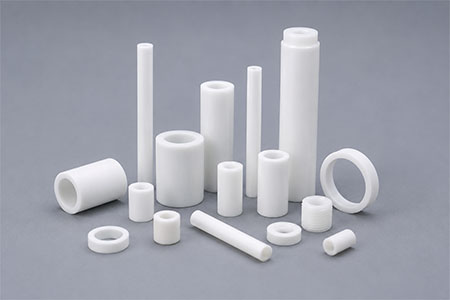
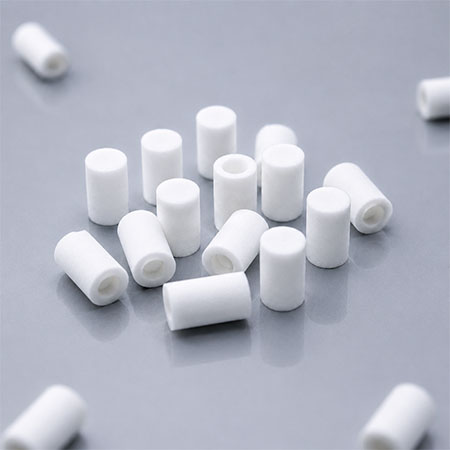
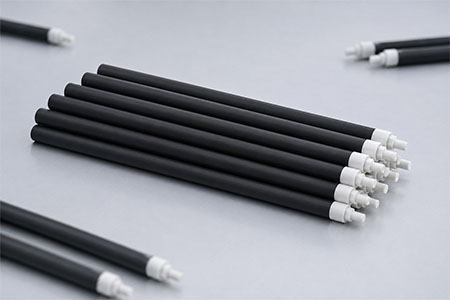
PTFE Sintered Filter Cartridge
Medical
Medical
Medical

Why sintered porous plastic filter cartridges are critical in industrial systems

Industrial systems rely on filtration to protect pumps, valves, and sensitive equipment from contamination. A sintered porous plastic filter cartridge provides reliable particle retention while maintaining stable flow performance.

The cartridge structure improves filtration efficiency by distributing contaminants throughout the porous matrix rather than blocking the surface. This extends operational cycles and reduces maintenance frequency.

In chemical processing, water treatment, and gas handling systems, the sintered porous plastic filter cartridge is preferred due to its balance of porosity, durability, and chemical resistance.

Material selection: PE, PP, PTFE, and PVDF in porous plastic filters

Different polymer materials are used depending on chemical and thermal requirements. PE (polyethylene) and PP (polypropylene) are widely used for general industrial filtration due to their balance of strength and chemical resistance.

PTFE is used in aggressive chemical environments where high corrosion resistance and thermal stability are required. PVDF provides enhanced compatibility for specialized chemical processing systems.

Material selection directly impacts filtration performance, including pore stability, temperature resistance, and long-term service life in demanding industrial environments.

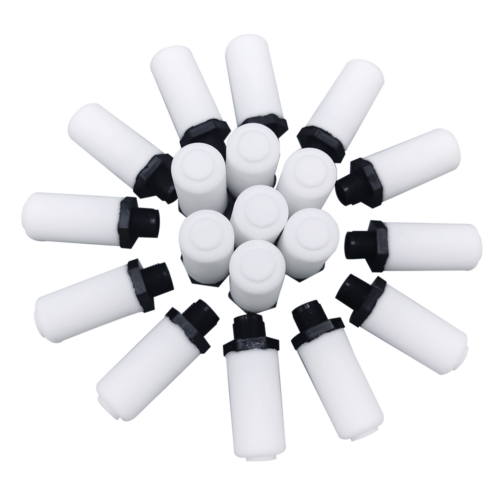
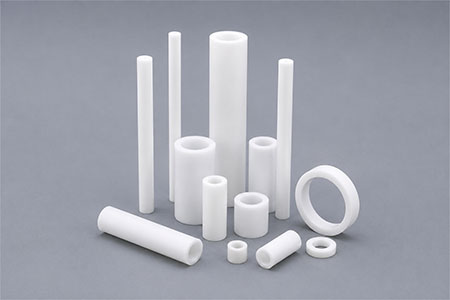
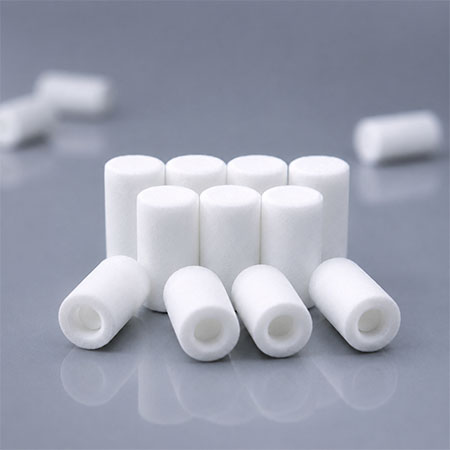
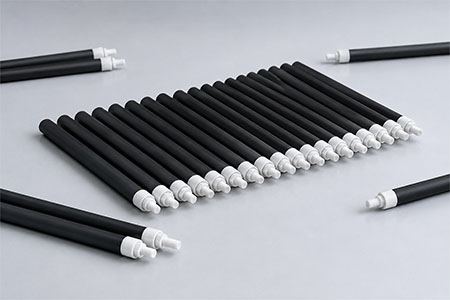
PP Sintered Filter Cartridge
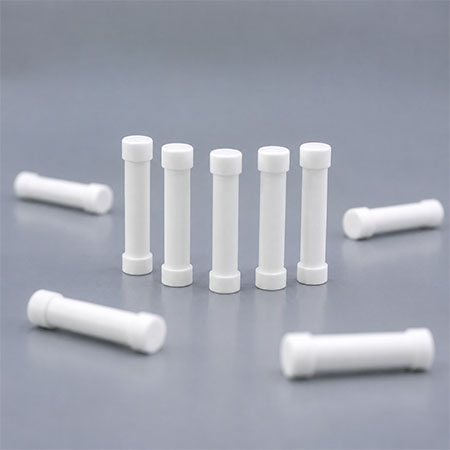
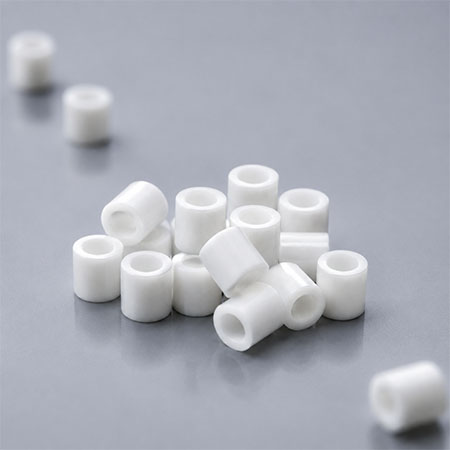
PTFE Sintered Filter Cartridge

What industrial applications use sintered porous plastic filter systems?

Sintered porous plastic filters are widely applied across liquid filtration, compressed air systems, and chemical processing lines. They are used where stable filtration and flow control are essential.

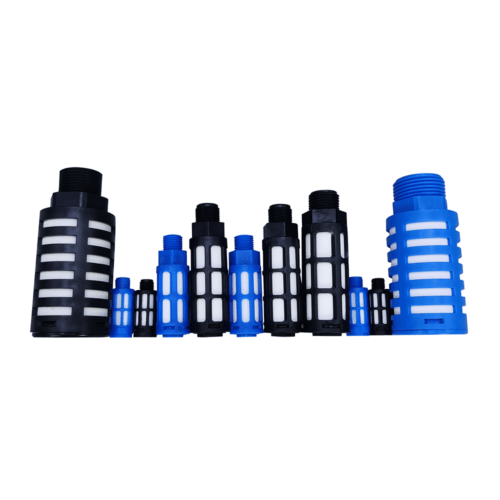
In water treatment systems, they provide consistent particle removal and protect downstream equipment. In pneumatic systems, they function as silencers or flow regulators for compressed air.

Other applications include chemical dosing systems, laboratory filtration, and industrial fluid handling, where controlled porosity ensures stable filtration performance under varying operating conditions.
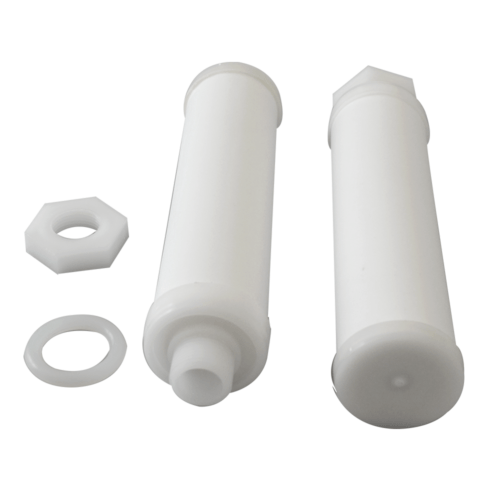
How pore size and porosity affect filtration performance

Pore size directly determines the filtration precision of a sintered filter. Smaller pore sizes increase filtration accuracy but may reduce flow rate, while larger pores support higher flow with lower retention precision.

Porosity defines how much void space exists within the structure, influencing flow resistance and dirt-holding capacity. A well-balanced porous structure ensures both efficiency and operational stability.

Engineers typically select pore specifications based on μm requirements, filtration rate targets, and system pressure conditions to optimize performance across industrial filtration applications.
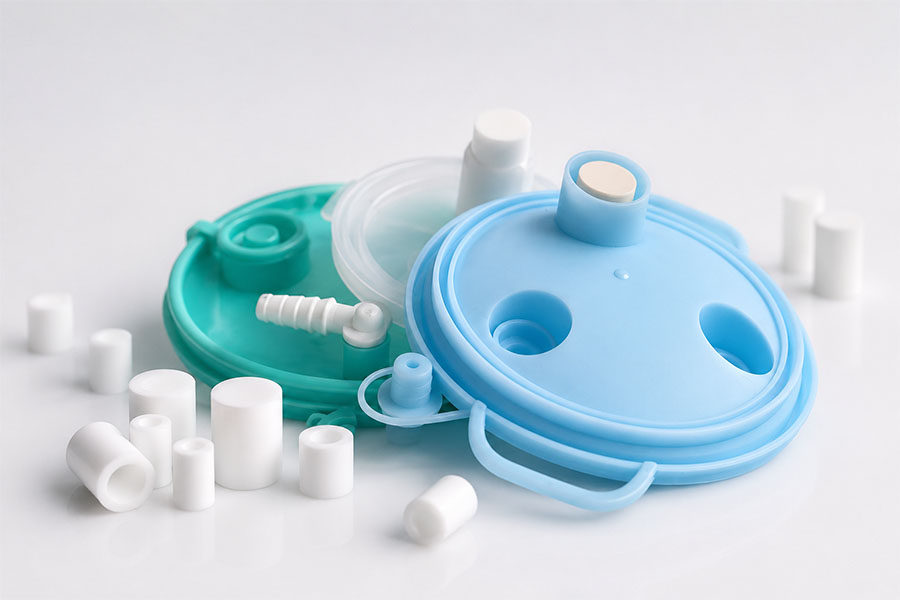
PTFE Sintered Filter Cartridge
Medical
Medical
Medical

Are sintered porous plastic filters suitable for chemical and high-temperature environments?

Sintered porous plastic filters offer strong chemical resistance depending on material selection, particularly PE, PP, and PTFE. These materials resist acids, alkalis, and many industrial solvents.

Temperature resistance varies by polymer type, with PE suitable for moderate conditions and PTFE offering higher thermal stability. This makes them suitable for controlled high-temperature industrial filtration systems.

Their corrosion resistance and structural stability make them suitable for long-term use in harsh chemical environments where traditional filter media may degrade.

Custom sintered filter design for industrial engineering requirements

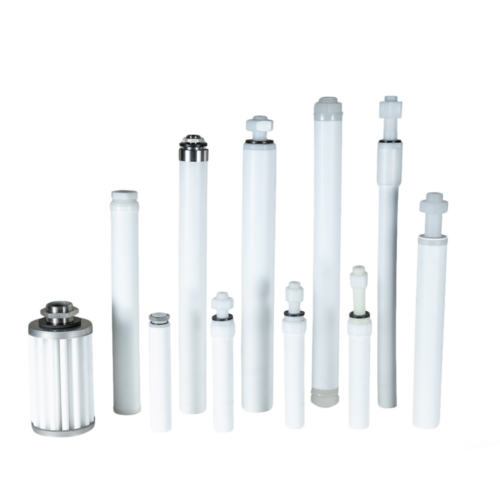
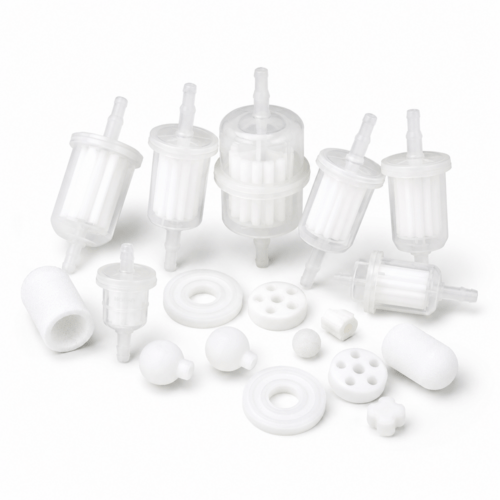
Custom sintered filters are designed to meet specific flow, pressure, and chemical compatibility requirements. Engineers can adjust pore size, shape, thickness, and cartridge geometry.

This customization allows optimization for specialized industrial processes such as high-viscosity fluid filtration, gas separation, or precision chemical dosing.

A custom sintered porous plastic filter ensures compatibility with system constraints while maintaining filtration efficiency and mechanical strength.

PP Sintered Filter Cartridge
Nylon (PA) Sintered Filter Cartridge

Plastic filters vs metal and ceramic filters in industrial use

Plastic filters offer flexibility, cost efficiency, and strong chemical compatibility compared to metal and ceramic alternatives. Metal filters provide higher temperature resistance, while ceramic filters offer extreme chemical stability.

However, porous plastic filters provide a balanced solution with controlled porosity, lightweight structure, and easier manufacturing scalability.

In many industrial systems, sintered plastic filters are preferred due to their adaptability and lower operational cost compared to sintered metal or ceramic systems.

Sintered porous plastic filter performance optimization in real systems

Optimizing filtration performance requires balancing porosity, pore size, and flow rate. Proper system design ensures stable filtration without excessive pressure drop.

Engineers must consider compatibility between filter material and process fluids to avoid degradation or efficiency loss over time.

When correctly selected, sintered porous plastic filter systems deliver high filtration efficiency, stable flow control, and extended operational service life.

PP Sintered Filter Cartridge
Request a Custom Filter Quote

Filtration solutions for modern industrial process reliability

Industrial filtration systems must ensure reliability, efficiency, and long-term operational stability. Sintered porous plastic filter technology provides a robust solution for these requirements.

  • Stable and uniform filtration performance
  • High chemical and mechanical resistance
  • Long service life with reduced maintenance
  • Customizable pore structure for precision engineering
  • Compatibility with diverse industrial applications

For procurement teams and engineers, adopting a sintered porous plastic filter solution improves system reliability and reduces downtime in critical operations.
Request technical consultation, OEM customization, or bulk quotation to optimize your industrial filtration system today.