Sintered Metal Filter | Porous Metal Filtration Solutions for Industrial Applications

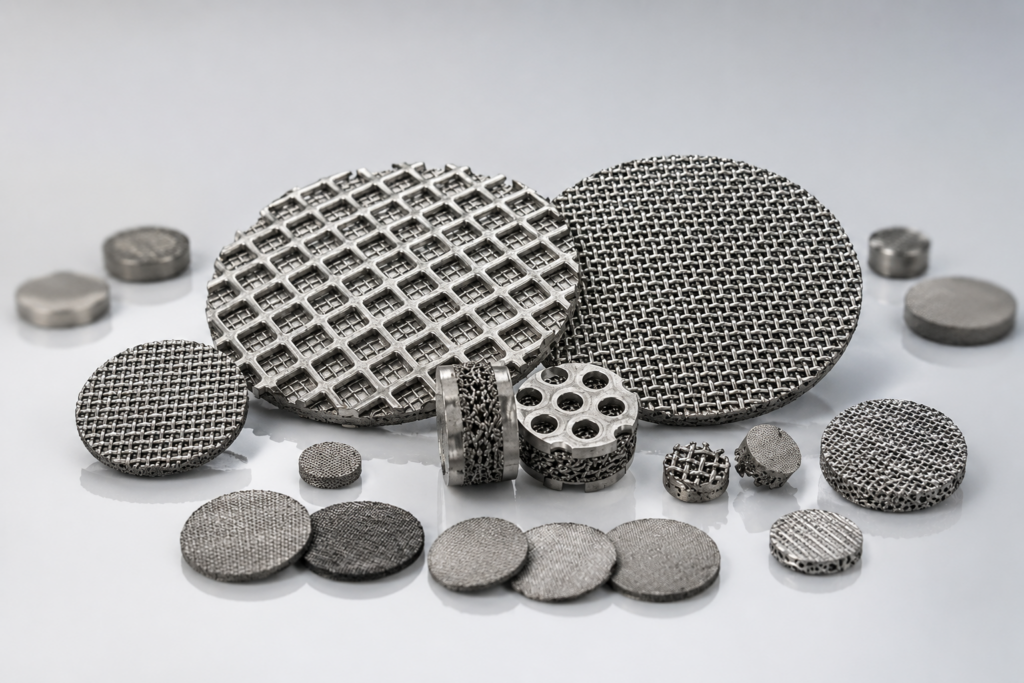
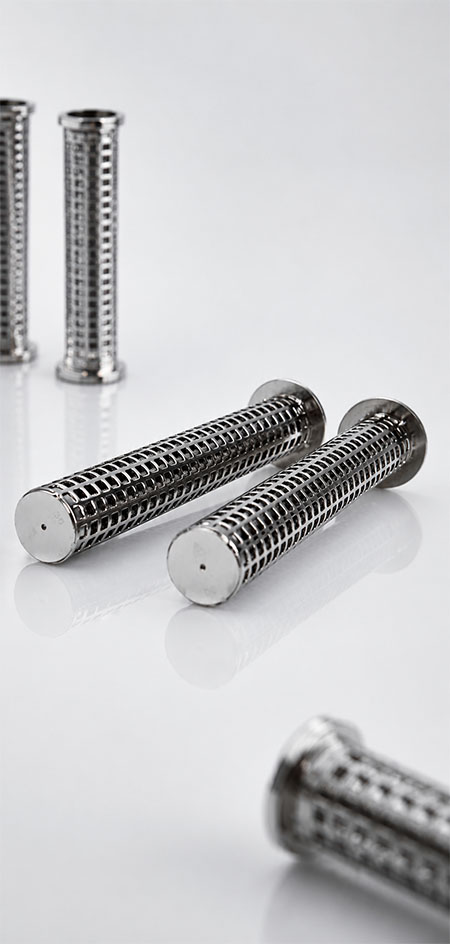
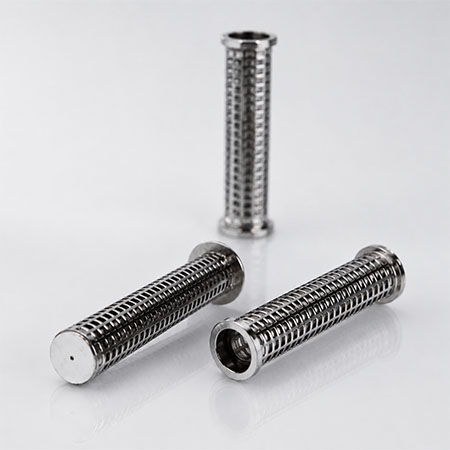
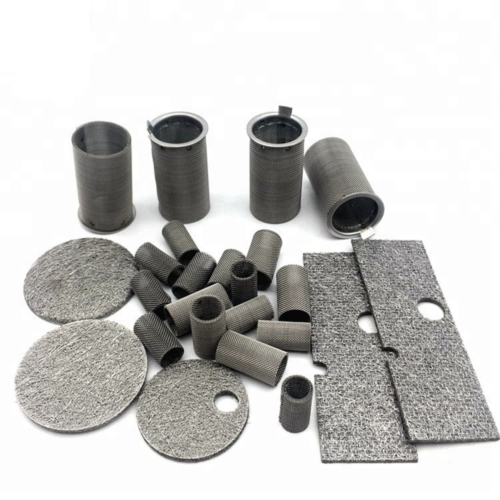
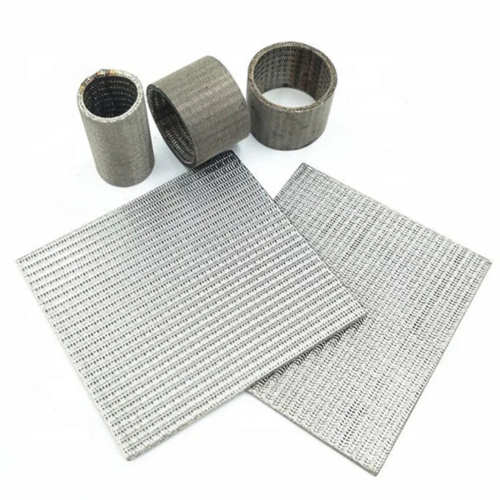
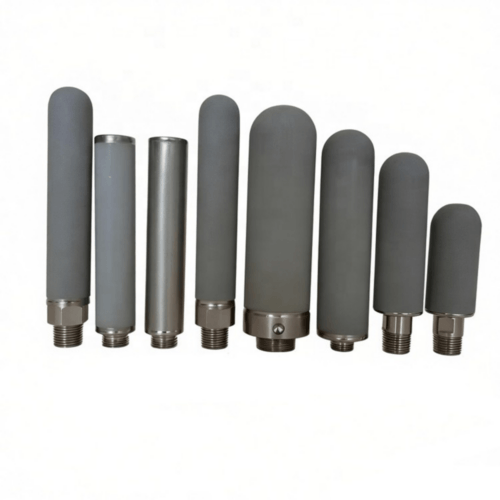
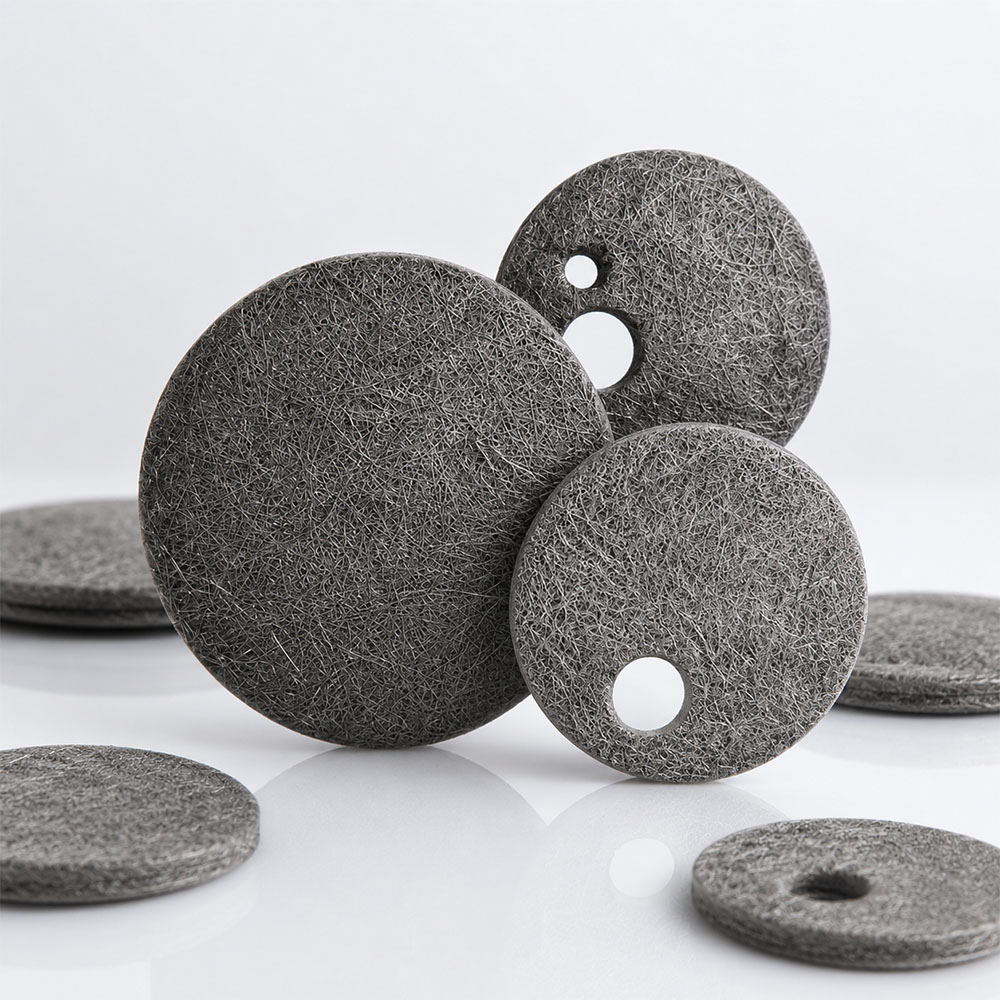
Sintered metal filter elements are advanced porous components engineered through controlled powder metallurgy and high-temperature sintering processes. By bonding metal powder particles without full melting, the process creates a stable porous metal structure with precise pore size, porosity, and permeability characteristics, making it ideal for demanding industrial filtration environments .

These sintered porous metal filters are widely used in gas, liquid, and multi-phase industrial filtration systems, where consistent filtration efficiency, mechanical strength, and long service life are critical. Unlike conventional wire mesh or polymer filter media, sintered structures provide rigid, self-supporting filtration layers that maintain performance under high pressure, high temperature, and corrosive conditions.

In real-world applications, including chemical processing, aerospace, energy systems, and precision manufacturing, sintered metal filter elements deliver stable separation of particulate contaminants while maintaining controlled flow rate and low pressure drop. Their engineered microstructure allows precise filtration performance from coarse separation to fine micron rating control, making them essential in modern filtration and separation technologies.


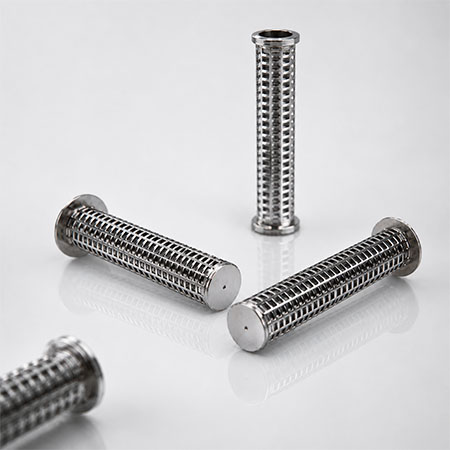
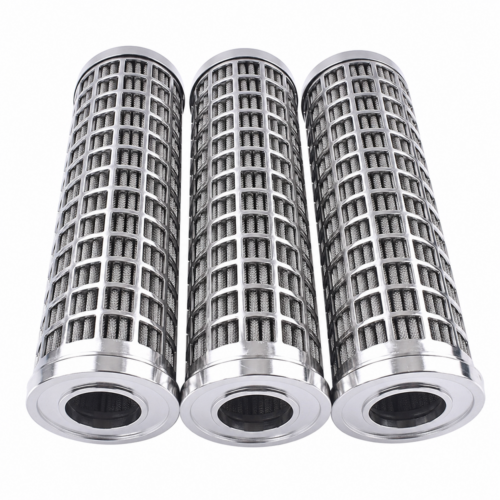
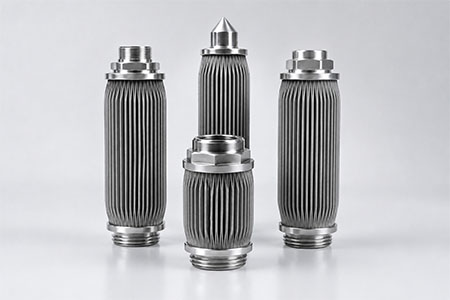
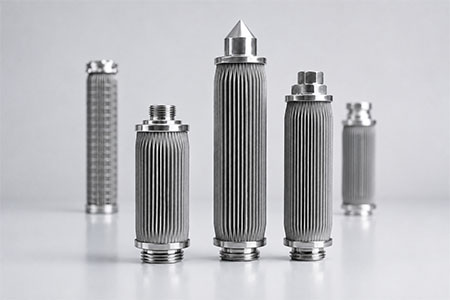
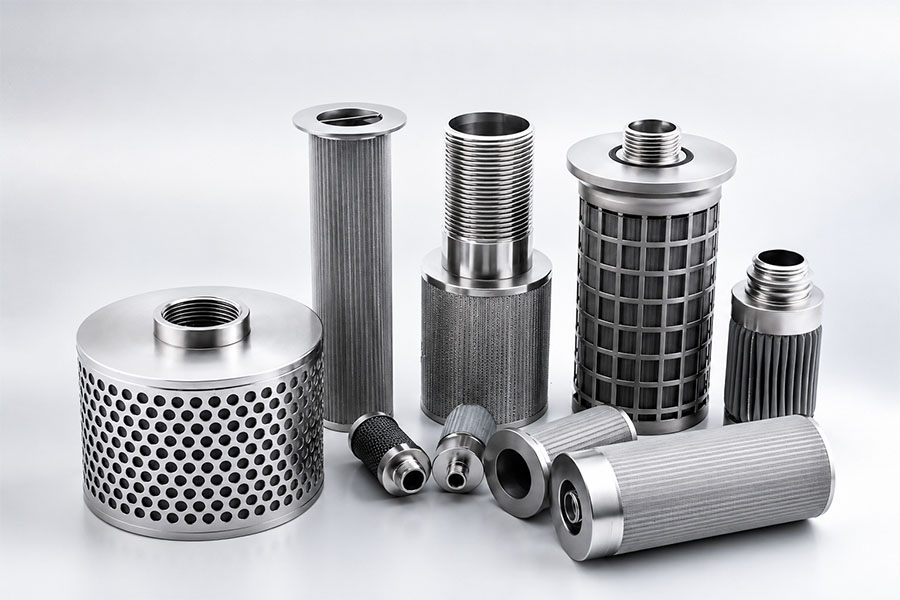
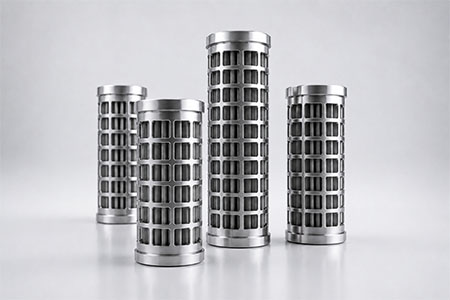
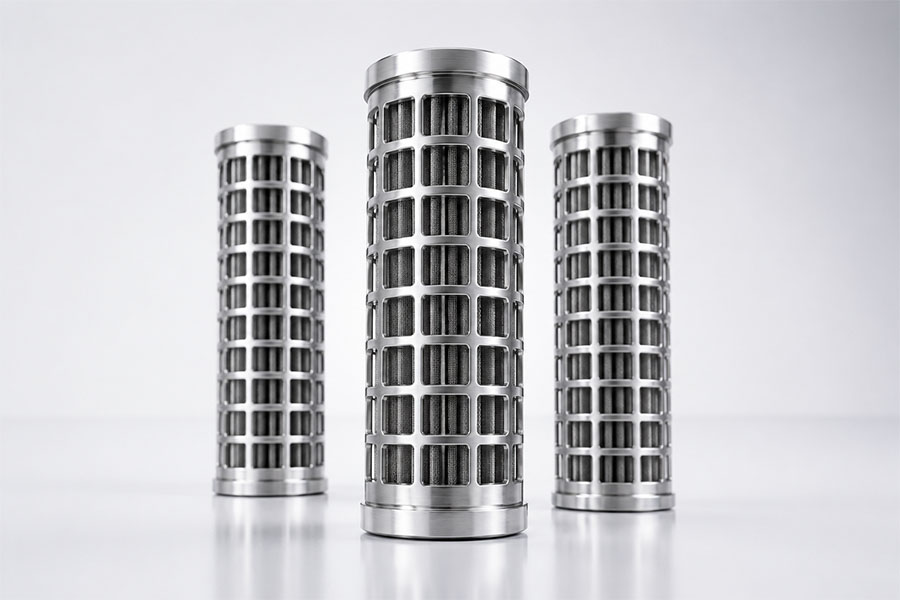
Sintered Metal Filter Cartridges
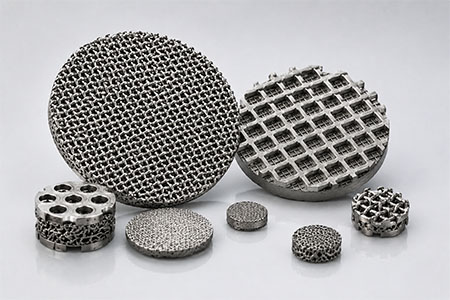
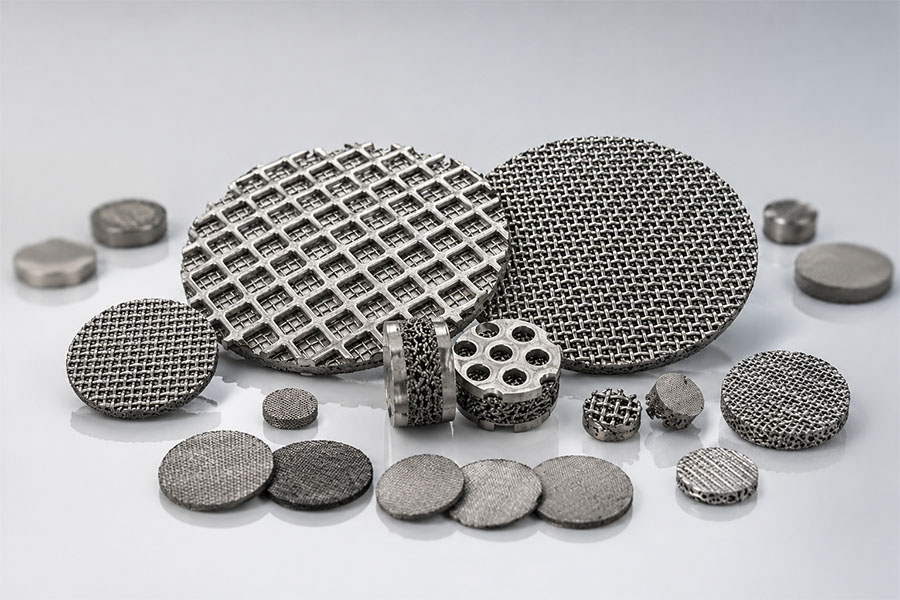
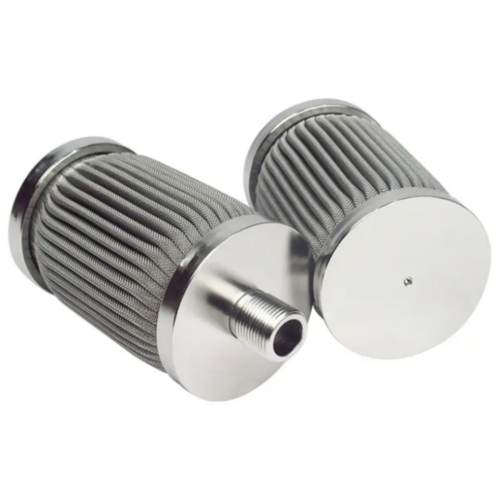
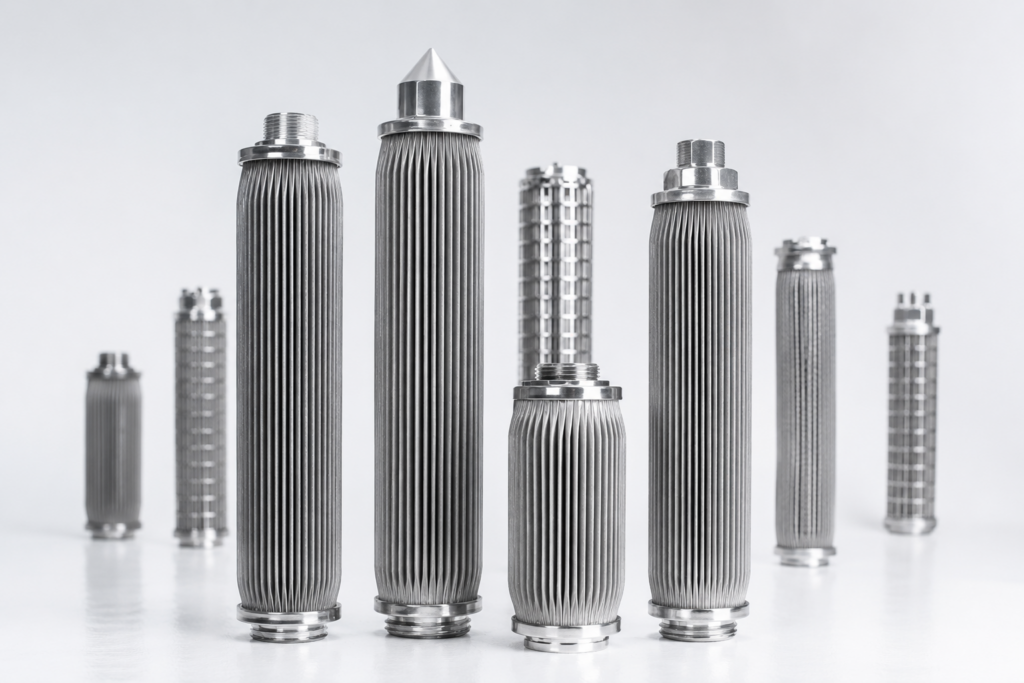
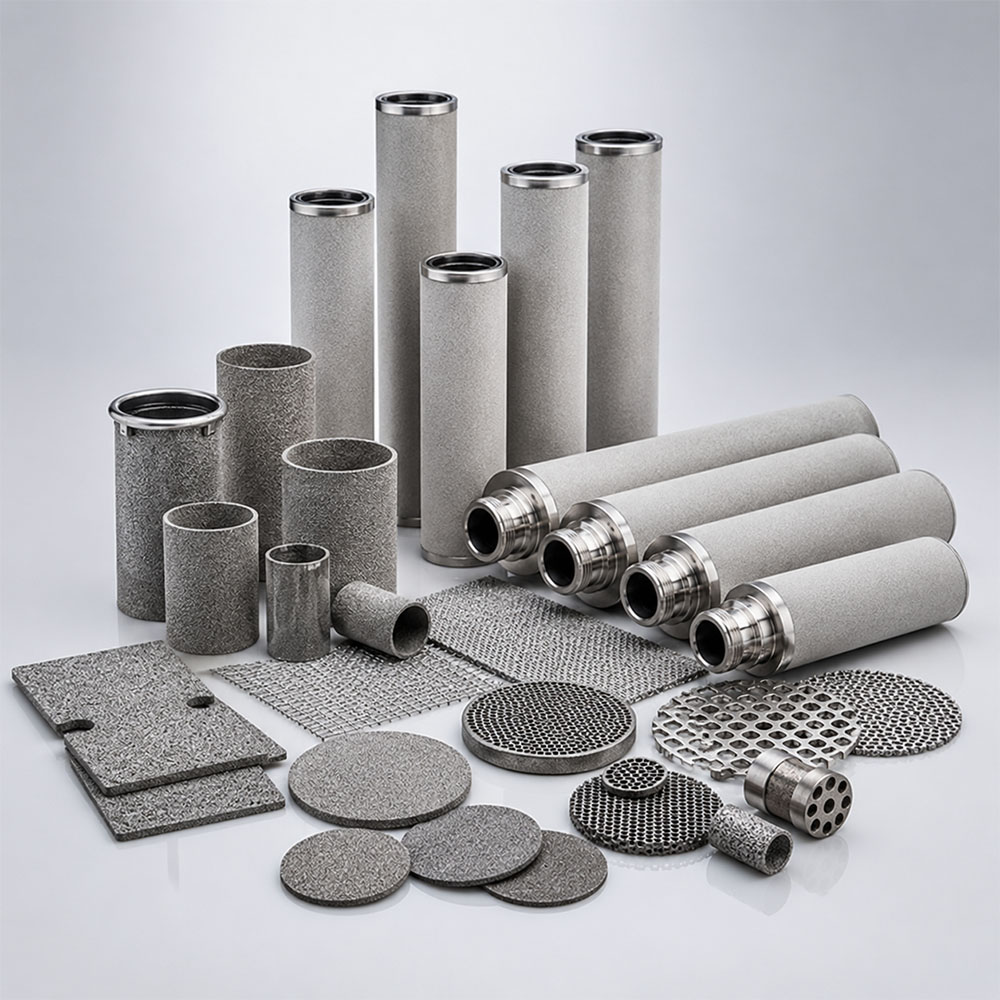
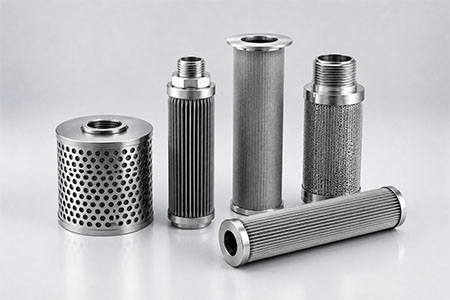
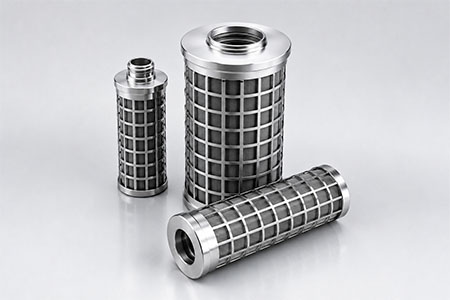
Sintered Metal Filters

Featured Product Applications & Case Examples

This section is reserved for real industrial implementations of sintered metal filter solutions. Here, users can insert verified customer case studies, OEM collaborations, or application-based performance data. These examples typically include engineering drawings, operating conditions, filtration media configurations, and system integration details.

To maintain technical credibility, all content should reflect real-world usage scenarios such as chemical reactors, hydraulic systems, gas purification units, or high-temperature industrial processes. This CMS block is intentionally left open for customization so manufacturers and engineers can showcase validated performance results and application-specific solutions.
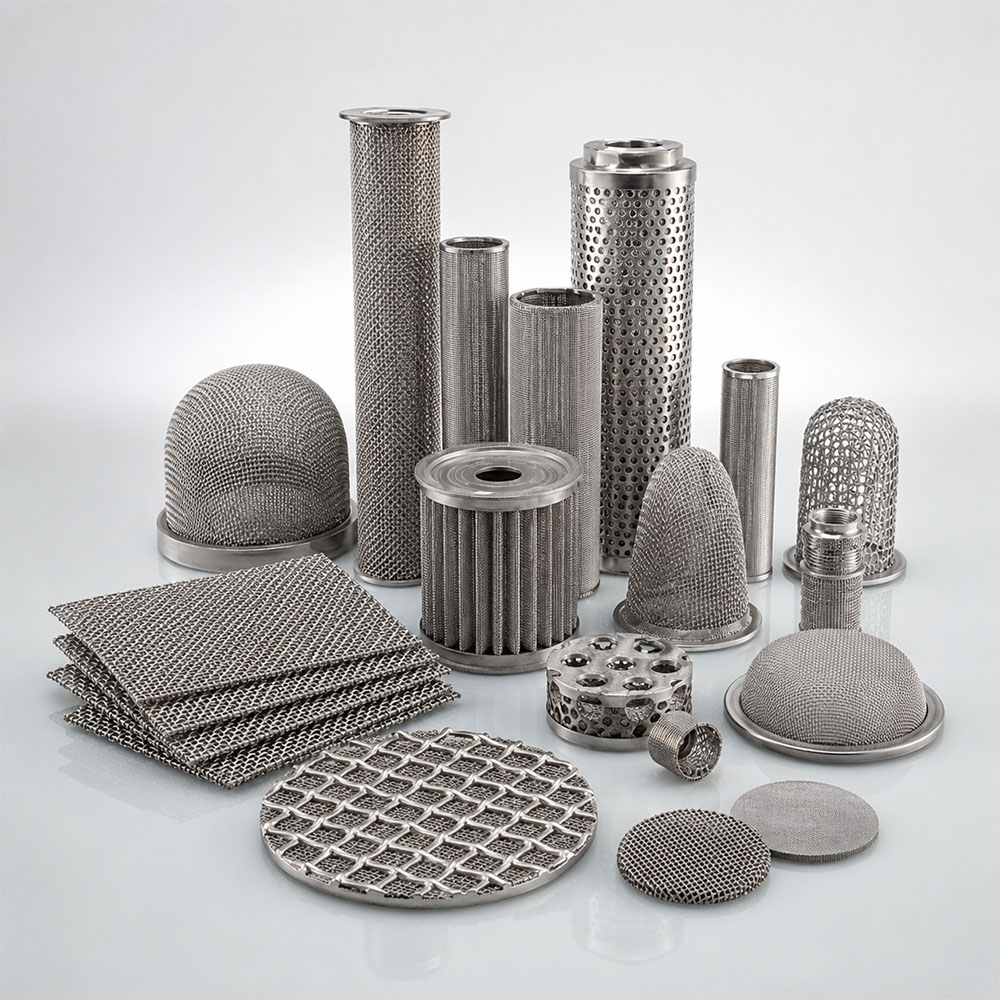
What Is a Sintered Metal Filter and How Does the Sintering Process Work?

A sintered metal filter is produced by compacting metal powders—such as stainless steel (304, 316, 316L), nickel, or bronze—and bonding them through a controlled sintering process below their melting point. This creates a rigid filter media with interconnected pores that allow controlled fluid or gas passage while trapping contaminants.

The sintering process involves atomic diffusion between metal particles, forming strong metallurgical bonds without fully liquefying the material. This produces a stable porous network with consistent average pore size, which is essential for predictable filtration performance in industrial systems.

Because the structure is solid-state bonded, the resulting sintered metal filter elements maintain high mechanical strength, excellent corrosion resistance, and stable filtration efficiency even under vibration, thermal cycling, or high differential pressure conditions.

Sintered Metal Filters

How Does Porous Metal Structure Affect Filtration Performance?

The performance of a porous metal filter is directly influenced by its engineered porosity and pore geometry. Higher porosity improves permeability and flow rate, while controlled pore distribution enhances particle capture efficiency for specific contaminant sizes.

In industrial filtration applications, this balance is critical. A well-designed porous structure ensures efficient removal of particulate matter while maintaining low pressure drop, reducing energy consumption in filtration systems such as compressors, hydraulic units, and chemical processing lines.

Additionally, the interconnected pore network enables depth filtration behavior, where contaminants are captured throughout the sintered material, not just on the surface. This improves service life and reduces maintenance frequency in demanding environments.

Sintered Metal Filters
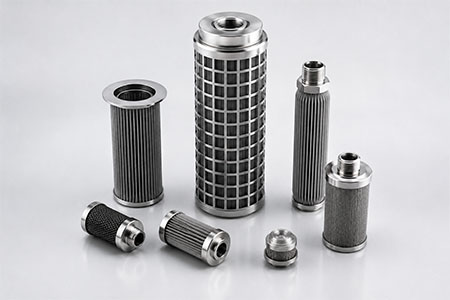
Sintered Metal Filter Cartridges

Why Is Stainless Steel Widely Used in Sintered Metal Filter Elements?

The properties of a sintered metal filter are heavily determined by the characteristics of the metal powder particles used in manufacturing. Particle size, shape, and composition directly influence porosity, pore size distribution, and filtration grade.

Finer powders typically produce smaller micron ratings, enabling high-efficiency filtration of ultra-fine contaminants. Coarser powders, on the other hand, are used for applications requiring higher flow rate and lower pressure drop.

During the manufacturing process, careful blending and compaction ensure uniform density before sintering. This consistency is essential for achieving repeatable performance in mass-produced filter cartridges and industrial filtration components.

How Do Custom Sintered Metal Filters Meet Industrial Requirements?

Custom sintered metal filters are designed to meet specific filtration requirements based on application conditions such as temperature, pressure, chemical exposure, and particle size distribution.

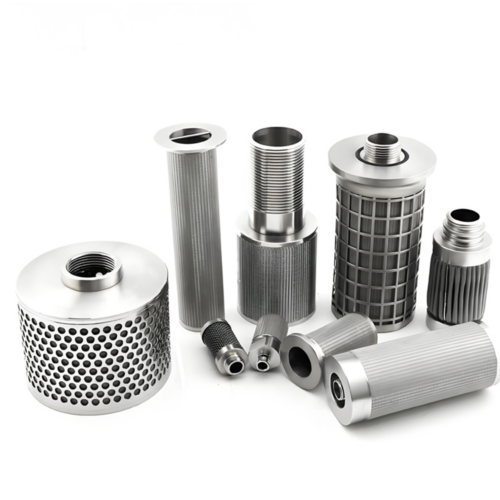
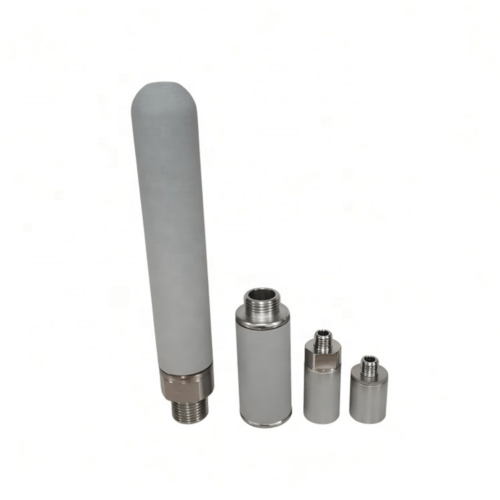
Manufacturers can adjust pore size, porosity, geometry, and alloy selection to optimize performance for different systems, including hydraulic filtration, gas purification, and liquid-solid separation processes.

This flexibility allows engineers to integrate sintered filter elements into complex industrial systems where standard filters cannot meet performance or durability expectations.

Sintered Metal Filters

What Makes Sintered Metal Filters Suitable for Advanced Filtration Applications?

In advanced filtration systems, sintered metal filters offer a combination of structural stability and controlled filtration behavior that is difficult to achieve with conventional media like paper or polymer membranes.

Their rigid structure supports high-pressure operation while maintaining consistent filtration efficiency across varying flow conditions. This makes them ideal for aerospace systems, energy production, and precision manufacturing environments.

Furthermore, their resistance to heat and corrosion allows operation in extreme conditions where other materials degrade, ensuring reliable industrial filtration performance over long operational cycles.

Why Choose Sintered Metal Over Wire Mesh or Polymer Filters?

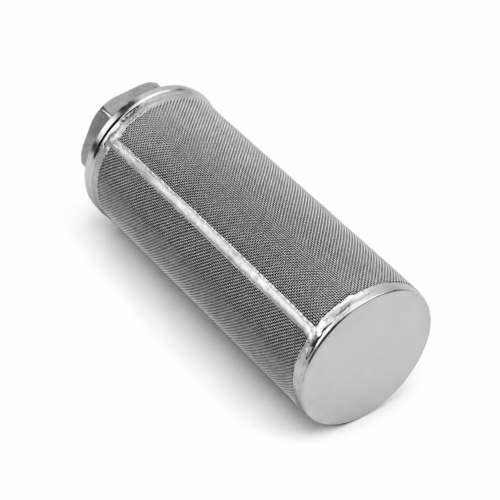
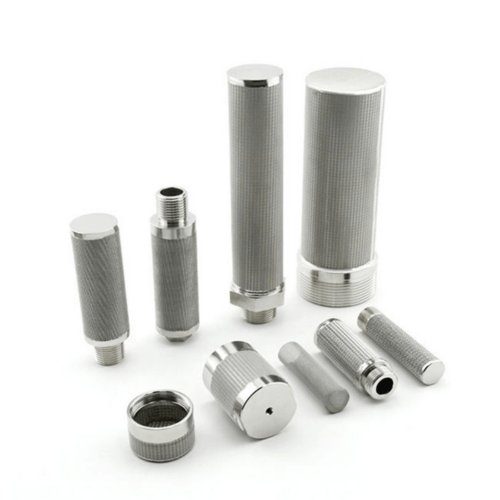
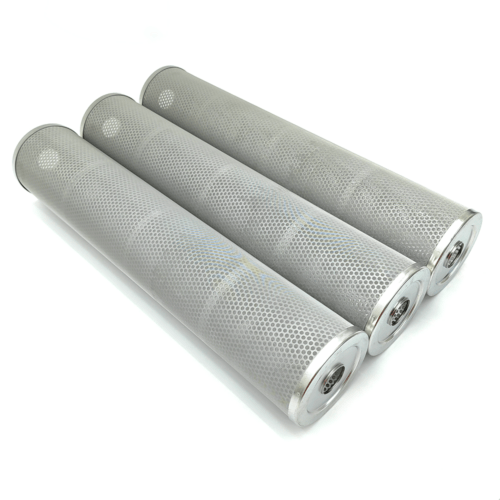
Compared to wire mesh filters, sintered metal provides more uniform pore size distribution and higher filtration precision. It eliminates the risk of mesh deformation under pressure and offers better particle size control.

Unlike polymer-based filters, sintered metal components can withstand high temperatures and aggressive chemicals without structural degradation. This makes them suitable for harsh industrial filtration environments.

Additionally, sintered metal filters can be cleaned and reused multiple times, reducing operational costs and improving sustainability in long-term filtration systems.

Sintered Metal Filters

What Industries Rely on Sintered Metal Filtration Systems?

Sintered metal filter elements are widely used across industries such as petrochemical processing, pharmaceuticals, aerospace, automotive manufacturing, and energy production.

In these sectors, they are applied in gas purification, hydraulic protection systems, catalyst recovery, and liquid separation processes where high reliability and filtration performance are essential.

Their ability to handle extreme temperature, pressure, and corrosive media makes them a core component in modern industrial filtration infrastructure.

How to Select the Right Sintered Metal Filter Manufacturer?

Choosing a reliable filter manufacturer requires evaluating technical capability, material expertise, and customization flexibility. A strong manufacturer should offer control over metal powder selection, sintering parameters, and pore structure design.

Engineering support is also essential, especially for applications requiring precise micron rating, chemical compatibility, or high-temperature performance. OEM capability ensures filters can be tailored to system-specific requirements.

Ultimately, the right partner ensures consistent quality, scalable production, and reliable industrial filtration solutions that meet both performance and compliance standards.

Sintered Metal Filters
Request a Custom Filter Quote

Request a Custom Sintered Metal Filtration Solution for Your Application

Industrial filtration systems rarely operate under identical conditions. That is why selecting the right sintered metal filter element often requires engineering evaluation of particle size, pore size, pressure drop, flow rate, and operating environment. Whether your application involves high-temperature gas filtration, corrosive liquids, or precision metal powder filtration, a tailored solution ensures stable long-term performance.

Our engineering team supports fully custom sintered metal filters, from material selection (such as 316L stainless steel, nickel alloys, or bronze) to pore structure optimization using advanced sintering processes. Each design is developed to match real industrial requirements, ensuring high filtration efficiency, permeability, and mechanical strength across demanding conditions.