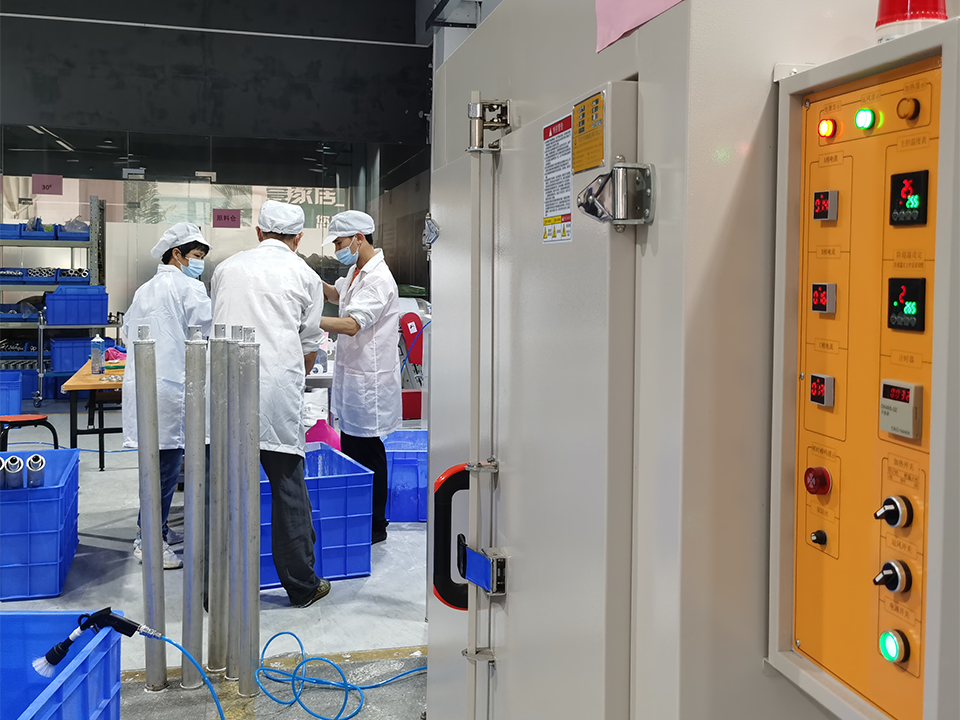
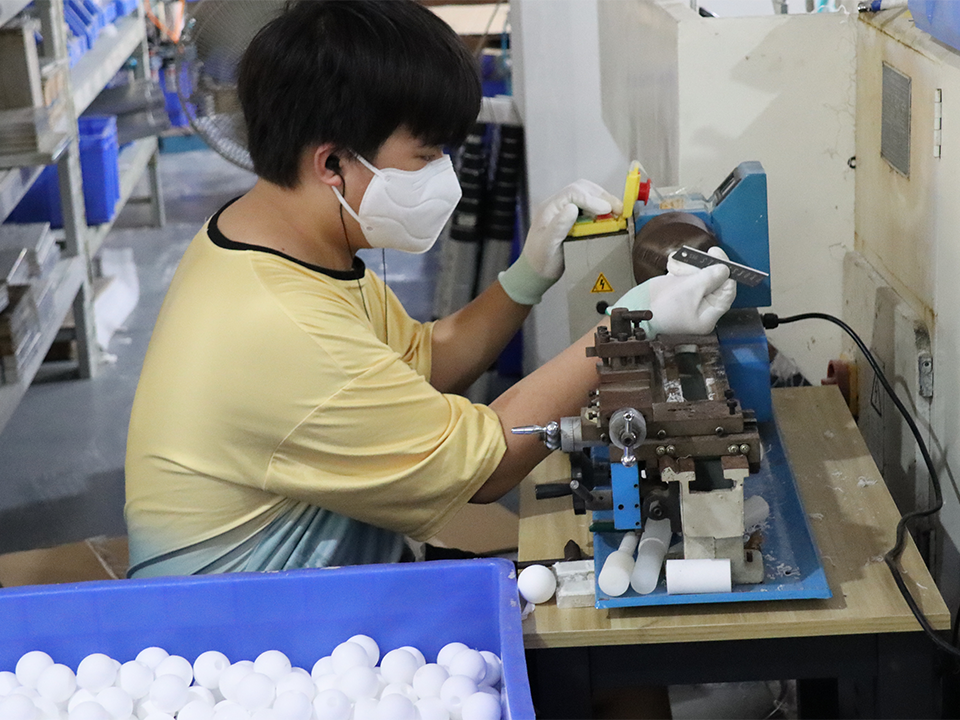
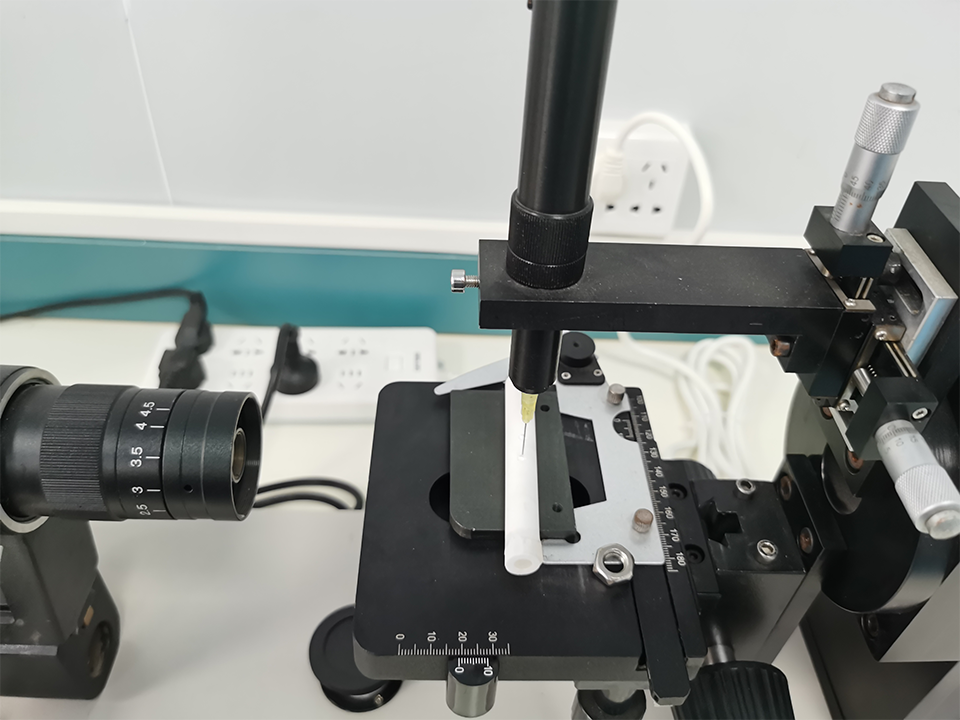
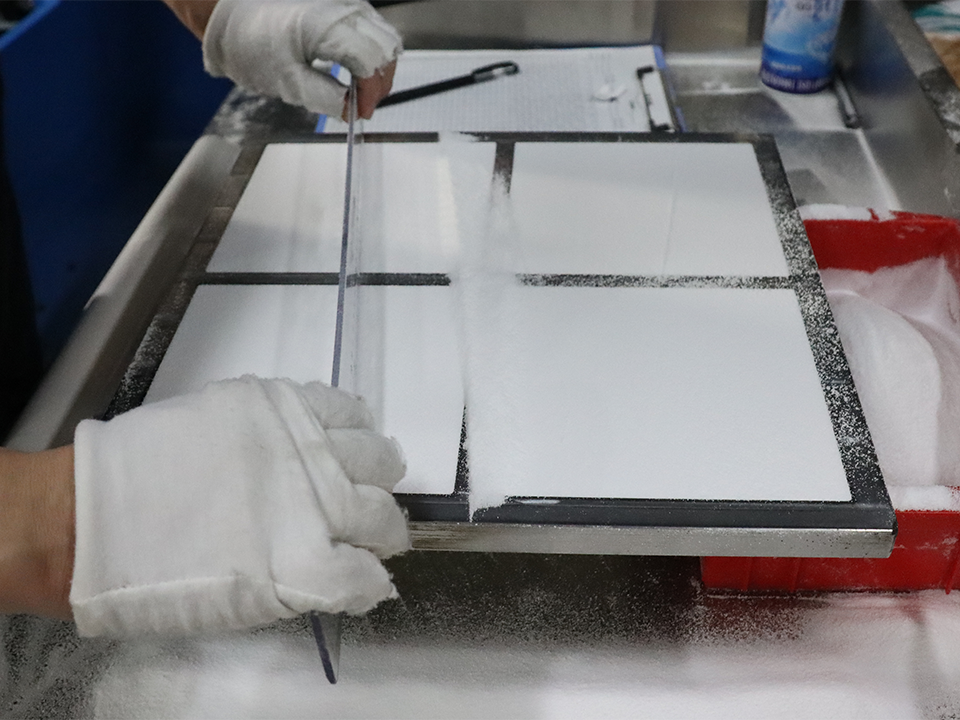
Before you leave, we invite you to talk directly with our managing team to ensure you receive the most accurate technical guidance, pricing support, and customization options for your project. Our experts can quickly evaluate your requirements, recommend suitable sintered plastic filter solutions, and help you reduce sourcing risks while improving efficiency, consistency, and long-term supply stability for your industrial applications.
Need Help Selecting the Right Filter Cartridge?
Our Sales Team
Tell our sales support team your product type, micron rating, size, application, filtered medium, working temperature, pressure, and estimated quantity. We will help you match the right sintered plastic, sintered metal, or sediment filter cartridge.
Certifications Required for Sintered and Sediment Filters
A certificate can lie.
Not because every supplier is a crook—some are just careless, some are copying old folders, and some honestly don’t know the difference between resin paperwork and finished-product compliance—but because filter certificates often float away from the real part. Wrong model. Wrong factory. Wrong batch. Wrong claim. Familiar?
I’ve opened those “compliance packs.”
Twenty PDFs. Big logo energy. ISO 9001 on top. A RoHS declaration with no material breakdown. An FDA letter that only covers raw PP resin. Maybe a test report from a lab nobody can trace back to the current cartridge. Then the sales rep says, “Yes, all certified.”
Certified for what?
That’s the question that saves money.
Filter certification requirements are not a universal shopping list. A sintered 316L stainless filter for compressed gas, a PP sediment cartridge for drinking water, a porous PE vent for diagnostics, and a melt-blown prefilter for industrial cooling water do not live under the same compliance roof. They’re all filters. Fine. But they don’t carry the same risk.
And here’s the ugly truth: many suppliers don’t fake documents. They stretch real ones until they become misleading.
“Tested according to NSF” becomes “NSF certified water filters.”
“ISO 9001 filter manufacturer” becomes “the product is certified.”
No. Wrong lane.
If you’re sourcing sintered or sediment filters, don’t ask, “Do you have certificates?” That’s too soft. Ask whether the certificate applies to the actual filter model, actual material grade, actual production site, actual batch, and actual end-use application.
Pile one: factory-system certificates. ISO 9001. ISO 14001. IATF 16949 if automotive is involved. These tell you something about the factory’s process control, audit habits, environmental management, and quality discipline.
Pile two: material, product, or application compliance. FDA food-contact documentation. NSF/ANSI potable-water certification. USP Class VI. RoHS. REACH. COA. Material certificate. Migration testing. Extractables and leachables. Finished-product listing.
Mix those piles together and procurement starts hallucinating.
ISO describes ISO 9001 as a globally recognized quality management standard for organizations, focused on performance, customer expectations, and quality management systems. Useful? Yes. Product approval? No.
Paper trap.
ISO 9001 does not prove a PP sediment filter is safe for drinking water. It does not prove a sintered PE vent is biocompatible. It does not prove micron accuracy. It does not prove that the cartridge end cap adhesive belongs in food-contact service.
Same with ISO 14001. Good environmental-management signal. Not product chemical safety. Not RoHS. Not REACH. Not NSF. Not FDA.
Different paper.
Different job.
ISO 9001: minimum ticket, not a trophy
I frankly believe ISO 9001 gets worshipped too much and read too little.
A valid ISO 9001 certificate is useful. I’d hesitate before buying regulated filter cartridges from a factory that cannot show one. No ISO system often means weak document control, loose corrective action, messy traceability, inconsistent inspection, and the classic “QC checks it when there’s time” workflow.
But don’t get sentimental.
ISO 9001 does not prove pore-size accuracy. It doesn’t prove bubble point. It doesn’t prove FDA compliant filter materials. It doesn’t prove NSF certified water filters. It doesn’t prove a sintered bronze part is lead-safe. It doesn’t even prove the operator followed the work instruction after lunch on a humid Thursday.
What I check first:
Certificate number.
Certification body.
Legal company name.
Factory address.
Scope.
Expiry date.
Whether filter manufacturing is actually inside the scope.
That address line matters more than beginners think. I’ve seen trading companies send an ISO certificate from a partner factory and talk as if it covered their own operation. Maybe that’s acceptable for your sourcing model. Maybe not. But call it what it is.
“Linked to a certified factory” is not the same as “manufactured under our certified QMS.”
Small wording.
Big audit headache.
ISO 14001: nice signal, wrong proof
Yet ISO 14001 isn’t fluff.
Not in 2026.
Bigger importers, European buyers, automotive suppliers, appliance brands, and serious industrial customers increasingly care about chemical handling, wastewater, polymer scrap, acid cleaning, solvent storage, powder dust, and packaging waste. Filter factories aren’t always clean little workshops with blue uniforms and shiny floors. Some are. Some smell like cutting oil, polypropylene dust, and old rinse tanks.
So yes, ask for ISO 14001 when supplier sustainability, ESG scoring, environmental-risk review, or corporate audit pressure matters.
But don’t let it sneak into the wrong job.
ISO 14001 does not prove that a cartridge is food-safe. It does not prove REACH SVHC status. It does not prove RoHS restricted-substance compliance. It does not prove a porous plastic filter is suitable for life-science use.
It’s a management-system certificate.
Not a product passport.
FDA compliant filter materials: watch the wording
“FDA approved filter.”
That phrase again.
I don’t like it. Most of the time, the correct claim is closer to “materials comply with applicable FDA food-contact requirements.” The FDA explains that the regulatory status of a food-contact material depends on the regulatory status of each substance in the article, especially substances reasonably expected to migrate into food: FDA food contact material guidance. FDA also keeps an inventory of food-contact substances listed in 21 CFR: FDA 21 CFR food contact inventory.
That distinction is not academic.
A PP sediment filter is not just “PP.” It may include melt-blown resin, additives, processing aids, end caps, gaskets, adhesives, colorants, packaging contact, and cleaning residue. A sintered PE filter may use a compliant UHMWPE resin, sure, but what about sintering aids? What about post-processing? What about contamination from shared equipment?
From my experience, this is where weak suppliers talk fast.
Ask slowly.
Which regulation?
Which material grade?
Which resin supplier?
Does the declaration cover raw resin only?
Does it cover the finished filter?
What about gasket material?
What about adhesive?
What about pigment?
What about end caps?
What about batch traceability?
If the supplier answers everything with “yes, food grade,” that’s not an answer. That’s a fog machine.
NSF certified water filters: potable water does not forgive loose claims
Potable water is not general industrial service with cleaner branding.
It’s stricter.
Depending on the product and claim, buyers may ask for NSF/ANSI/CAN 61, NSF/ANSI 42, NSF/ANSI 53, NSF/ANSI 372, or another related standard. A cartridge that only traps sediment is not the same as one claiming lead reduction. A component that touches drinking water is not the same as a retail replacement cartridge marketed to homeowners.
NSF explains that NSF/ANSI 61 evaluates health effects of materials or products that contact drinking water. That’s the real issue: contact safety, not vague cleanliness.
And here’s the supplier move I keep seeing:
“Tested according to NSF.”
That is not the same as “NSF certified.”
A test report may be helpful. A declaration may support a file. But a real listing tied to the actual model, brand, factory, and standard is stronger. If the quote says one model and the certificate says another model, don’t wave it through. That gap will come back later—usually when the buyer’s compliance department is already annoyed.
Tiny wording.
Large problem.
USP Class VI: useful, but not magic
USP Class VI gets thrown around like a premium label.
It isn’t magic.
USP Class VI filter certification mainly matters for polymeric materials used in medical, diagnostic, pharma, biotech, laboratory, or patient-adjacent applications. Think porous PE vents, PTFE vent filters, pipette-tip barriers, bioprocess contact parts, gas diffusion pieces, and fluid-path porous plastics.
For ordinary industrial PP sediment cartridges? Usually unnecessary.
For a medical vent? Maybe very necessary.
But even then, USP Class VI is not the whole file. Buyers may also ask for USP <87>, ISO 10993, cytotoxicity, extractables and leachables, animal-origin-free declarations, BSE/TSE statements, gamma sterilization compatibility, steam compatibility, lot traceability, and formal change-control agreements.
Dry stuff.
Real stuff.
Here’s the bit outsiders miss: a resin change can ruin validation. A pigment change can trigger a customer review. A new release agent can create an extractables issue. A supplier saying “same performance, no problem” is exactly when I start asking for the change-control record.
Because medical and pharma buyers don’t buy vibes.
They buy files.
RoHS and REACH: not only electronics paperwork now
RoHS REACH compliant filters used to sound like an electronics-side headache.
Not anymore.
RoHS targets electrical and electronic equipment, but filters often end up inside appliances, smart water systems, lab instruments, EV thermal loops, pump assemblies, sensors, electronics cooling units, and automated equipment. Once your filter sits inside that supply chain, RoHS questions appear fast.
The European Commission explains that the RoHS Directive restricts hazardous substances in electrical and electronic equipment. The EU legal summary points to restricted substances such as lead, mercury, and cadmium: EU RoHS legal summary.
REACH is broader in buyer conversations. ECHA maintains the Candidate List of substances of very high concern under Article 59(10): ECHA Candidate List. If an SVHC is present above 0.1% w/w, disclosure obligations can become relevant.
So don’t ask only about the main filter media.
Ask about:
Gaskets.
Adhesives.
Pigments.
End caps.
Metal inserts.
Bronze alloy.
Coatings.
Packaging, if it matters.
And yes, sintered bronze deserves extra scrutiny. Lead content, alloy variation, and destination-market restrictions can turn a cheap porous component into a paperwork fight.
They don’t just ask, “Does the filter work?” They ask, “Will it work the same way after 40,000 parts, two resin lots, one tooling repair, a packaging change, and a subcontractor shift nobody bothered to report?”
That’s why IATF 16949 exists in the conversation.
AIAG states that IATF 16949:2016 defines QMS requirements for organizations across the global automotive industry. If your filters go into EV battery cooling, fuel systems, hydraulic circuits, brake-support systems, transmission-oil lines, coolant loops, or vehicle-production equipment, expect the paperwork pile to grow.
PPAP.
APQP.
FMEA.
Control plan.
MSA.
SPC.
IMDS.
Lot traceability.
Change notification.
Not glamorous. Not optional, usually.
ISO 9001 may work for MRO filters. Maybe. For production vehicle parts, it’s often too thin. Automotive buyers want process discipline, not catalog confidence.
Which certificates matter by application?
Don’t ask suppliers for “all certificates.”
Sounds thorough. Isn’t.
It creates a fat folder full of irrelevant files, and irrelevant files hide missing ones. Ask based on application risk.
Application / Buyer Type
Must-have or commonly requested documents
Nice-to-have documents
My field comment
General industrial filtration
ISO 9001, material certificate, COA, dimensional report
ISO 14001, RoHS, REACH
Don’t over-certify a simple industrial filter, but demand traceability
Food and beverage contact
FDA food-contact material declaration, EU 1935/2004 if Europe, migration-related data if needed
ISO 9001, ISO 14001, batch COA
“FDA grade” without material detail is weak
Potable water
NSF/ANSI/CAN 61, NSF/ANSI 42/53/372 depending on claim and product
WQA/UL listing, third-party test report
Finished product listing beats vague test paperwork
Medical device / life science
USP Class VI, USP <87>, ISO 10993 where applicable, material lot traceability
Ask for fluid-path documentation, not just resin papers
Automotive
IATF 16949, PPAP, APQP, FMEA, control plan, IMDS
ISO 14001, RoHS, REACH
Automotive buyers punish undocumented changes
Electronics / appliance systems
RoHS, REACH, material declaration
ISO 9001, UL-related documents if electrical risk exists
Scope depends on whether the filter enters EEE
Export distributor / importer
ISO 9001, product spec sheet, material declaration, RoHS/REACH where relevant
NSF/FDA/USP based on market
Don’t collect certificates randomly; match them to claims
What I’d ask before paying the deposit
A buyer once showed me a supplier’s “complete certification pack.”
Looked heavy.
It wasn’t.
Several documents were expired. One certificate belonged to another factory address. A RoHS report covered only a plastic body, not the full cartridge assembly. The FDA declaration covered raw PP resin but said nothing about gasket material or end-cap adhesive. Classic folder soup.
For sintered filter certification, I’d ask for:
ISO 9001 certificate.
Material certificate for 316L, 304, bronze, PE, PP, PTFE, PA, titanium, Hastelloy, or the specified material.
Pore-size or micron-rating report.
Bubble point or permeability data where relevant.
Dimensional inspection report.
RoHS and REACH declaration if selling into EU or electronics-related systems.
FDA, NSF, USP Class VI, or IATF documents only when the application actually needs them.
For sediment filter certification, I’d ask for:
ISO 9001 certificate.
Material declaration for PP, PET, PES, PE, nylon, gasket, end cap, and adhesive.
FDA food-contact declaration for food or beverage contact.
NSF certification or test report for potable-water use.
RoHS and REACH declarations for regulated export channels.
Production lot COA.
If they can’t provide batch traceability, I slow down.
Cheap parts get expensive when the paperwork collapses.
The fake-cert problem nobody likes discussing
Let’s say it without polishing it.
Many filter certificates are not fake-fake. They’re real documents used in misleading ways.
A resin supplier’s FDA declaration becomes “finished filter FDA compliant.”
An ISO certificate from one factory gets used by another factory.
A RoHS report from an old material batch gets reused after pigment changes.
An NSF-related test report for one model gets implied across the whole product family.
A USP Class VI report on raw plastic becomes “medical-grade filter.”
A CE logo appears on a passive cartridge where CE may not even apply.
This happens constantly.
Sometimes it’s ignorance. Sometimes it’s sales pressure. Sometimes the buyer secretly doesn’t want to ask because the price is good and the delivery date is tight.
That’s not sourcing.
That’s gambling with PDFs.
How to read a certificate like a suspicious buyer
Don’t start with the logo.
Start with scope.
The scope tells you what the document covers. “Manufacture of plastic products” is not the same as “manufacture of porous plastic filter cartridges.” “Sales of filtration products” may mean a trading office. “Material compliance statement” may cover resin only, not finished parts.
Check the legal entity.
Check the address.
Check the product model.
Check the date.
Check the issuing body.
Check the tested sample.
Check whether the certificate covers raw material, component, or finished assembly.
Check whether the standard version is current.
Annoying? Yes.
But regulated buyers are not buying a cartridge. They’re buying reduced rejection risk, audit survival, cleaner import documents, and fewer angry emails from compliance teams. That’s the real commercial value.
Minimum document checklist I’d use
Document
What it proves
What it does not prove
ISO 9001
Factory has a quality management system
Finished filter is safe for food, water, medical, or automotive use
ISO 14001
Factory manages environmental responsibilities
Product chemical compliance
FDA food-contact declaration
Material may comply with food-contact requirements
Finished assembly approval unless all components are covered
NSF certification/listing
Product or component meets a drinking-water standard scope
All models in the family are covered
USP Class VI
Tested biological reactivity of specified plastic/polymer material
Full medical-device approval
RoHS declaration
Restricted substances controlled for EEE-related supply chains
Full chemical safety
REACH declaration
SVHC reporting status for EU supply chain
Automatic approval for all applications
IATF 16949
Automotive QMS capability
PPAP approval for your specific part
COA
Batch-level quality data
Long-term compliance without traceability
Material certificate
Alloy/resin identity
Performance in your application
FAQ
What are filter certification requirements?
Filter certification requirements are the quality, material, safety, environmental, and application-specific documents needed to prove that a sintered or sediment filter is suitable for industrial filtration, food contact, potable water, medical devices, pharmaceutical processing, automotive systems, or electronics-related supply chains.
The exact list changes by application. ISO 9001 may be enough for basic industrial sourcing. NSF, FDA, USP Class VI, RoHS, REACH, or IATF 16949 may be needed when the buyer, importer, or end user faces regulatory risk.
What certification is required for sintered filters?
Sintered filter certification usually includes ISO 9001 for factory quality control, material certificates for stainless steel, bronze, PE, PP, PTFE, PA, or specialty alloys, plus application-specific documents such as FDA compliance, USP Class VI, RoHS, REACH, NSF, or IATF 16949.
A stainless steel sintered gas filter may need material and QC documents. A porous plastic medical vent may need USP Class VI, extractables data, and formal change-control paperwork.
What certification is required for sediment filters?
Sediment filter certification commonly includes ISO 9001, material declarations, COA, micron-rating test data, and application-specific compliance such as FDA food-contact documentation, NSF potable-water certification, RoHS, REACH, or importer-specific declarations for regulated markets.
For drinking-water cartridges, NSF-related documentation matters more than vague “food grade” language. For industrial prefiltration, traceability and performance testing may be the bigger issue.
Is ISO 9001 enough for filter manufacturers?
ISO 9001 is enough only as a basic quality-management baseline for filter manufacturers, because it shows documented processes, audits, corrective actions, and quality controls, but it does not certify product safety, food-contact suitability, potable-water performance, or medical biocompatibility.
I’d call ISO 9001 necessary but not sufficient. It tells you the supplier has a system. It does not prove your exact filter is suitable for your exact application.
Do filters need FDA certification?
Filters need FDA-related documentation when the filter or its materials may contact food, beverage, pharmaceutical ingredients, or other regulated substances, but the more accurate claim is often FDA food-contact material compliance rather than finished-filter FDA certification.
Ask whether the declaration covers raw resin only or the complete assembly, including additives, gaskets, adhesives, end caps, colorants, and processing aids. That’s where weak compliance stories usually fall apart.
What does NSF certification mean for water filters?
NSF certification for water filters means a product, material, or component has been evaluated against an NSF/ANSI standard for drinking-water contact, contaminant reduction, or related health-effect requirements depending on the exact product claim and certification scope.
A model-specific listing is stronger than a loose test report. Buyers should confirm model number, brand, manufacturer, production site, and standard before accepting the claim.
Are RoHS and REACH required for industrial filters?
RoHS and REACH may be required for industrial filters when they enter the EU market, electronics-related equipment, appliances, automotive systems, or customer supply chains that restrict hazardous substances and require SVHC disclosure.
Even when RoHS is not directly applicable, customers may still demand declarations. REACH SVHC checks have become routine in serious import documentation.
Is USP Class VI required for all plastic filters?
USP Class VI is not required for all plastic filters; it is mainly requested for polymeric materials used in medical, pharmaceutical, biotech, laboratory, or patient-contact applications where biological reactivity and material safety are part of buyer qualification.
For normal industrial PP sediment cartridges, USP Class VI is usually unnecessary. For medical vents, bioprocess components, or sensitive fluid-path parts, it can become part of the qualification package.
What documents should I ask a filter supplier for?
You should ask a filter supplier for ISO 9001, material certificates, product specifications, COA, micron-rating or pore-size test reports, dimensional inspection reports, and application-specific documents such as FDA, NSF, USP Class VI, RoHS, REACH, IATF, or PPAP files.
Don’t ask for everything blindly. Match the document request to the industry, destination market, fluid-contact risk, and customer claim.
Procurement Guidance
Send us your target industry, filter material, micron rating, destination market, and end-use application. We’ll help you build the right certification checklist for sintered filters, sediment filters, food-contact cartridges, potable-water filters, medical components, or automotive filtration parts.
Because the wrong certificate doesn’t just slow an order.