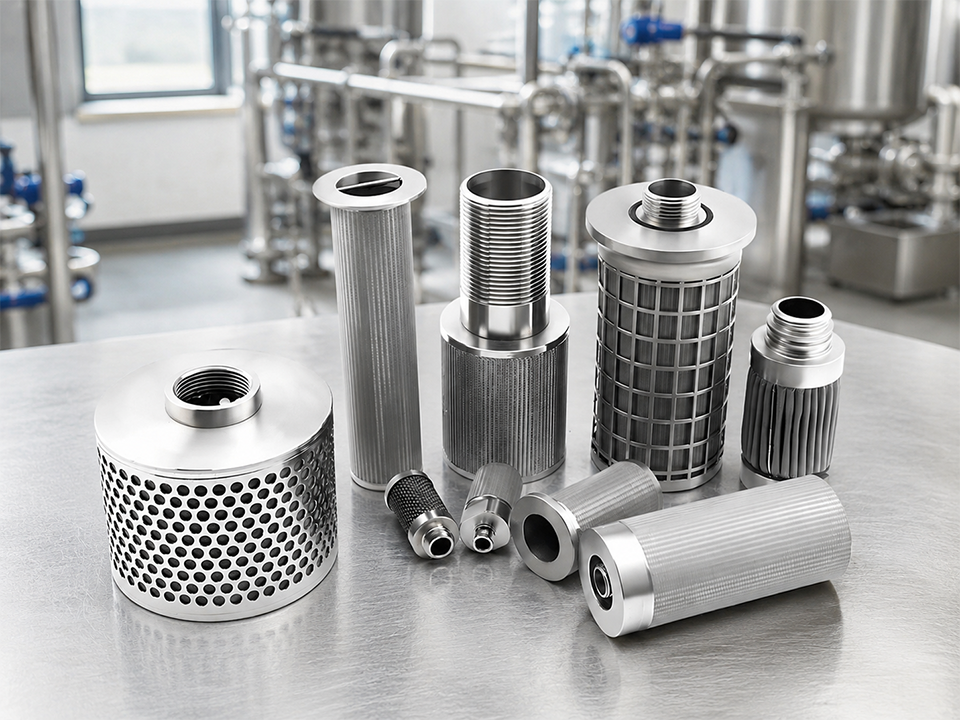
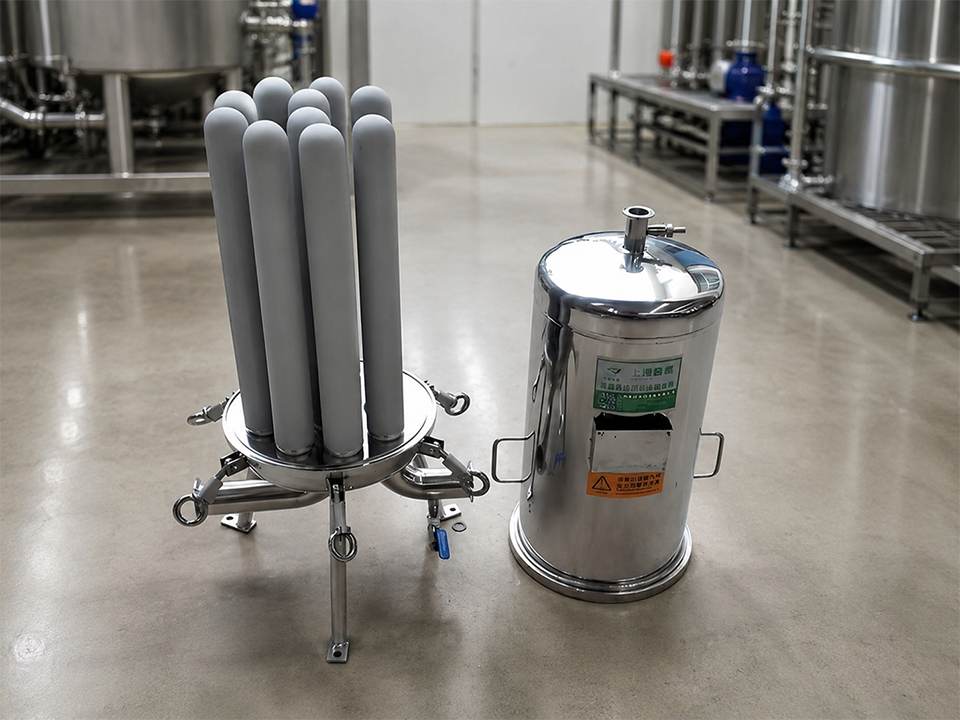
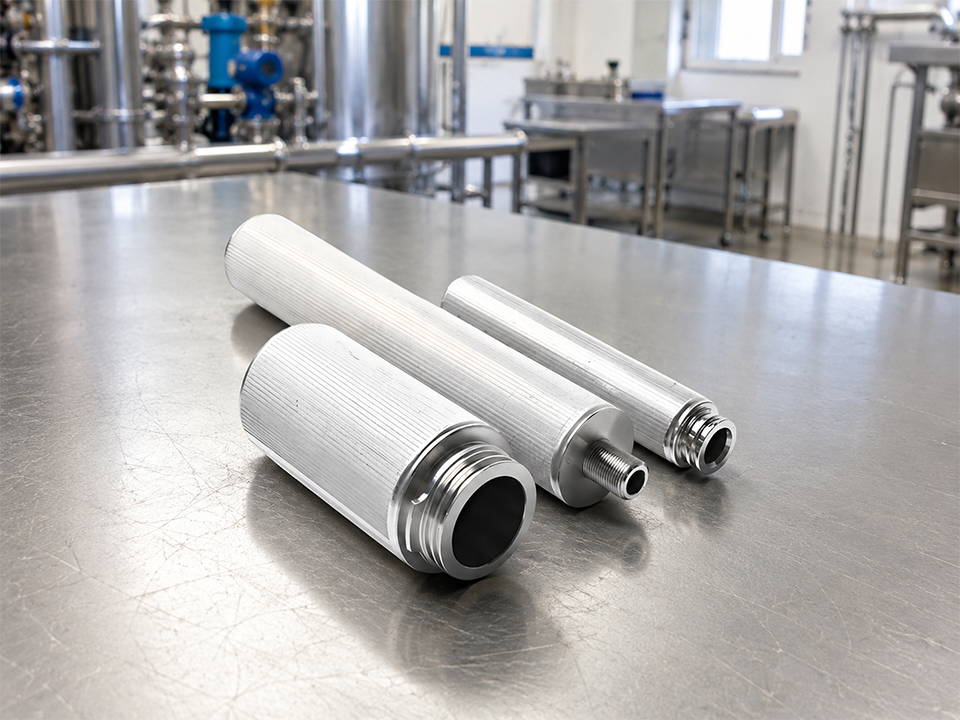
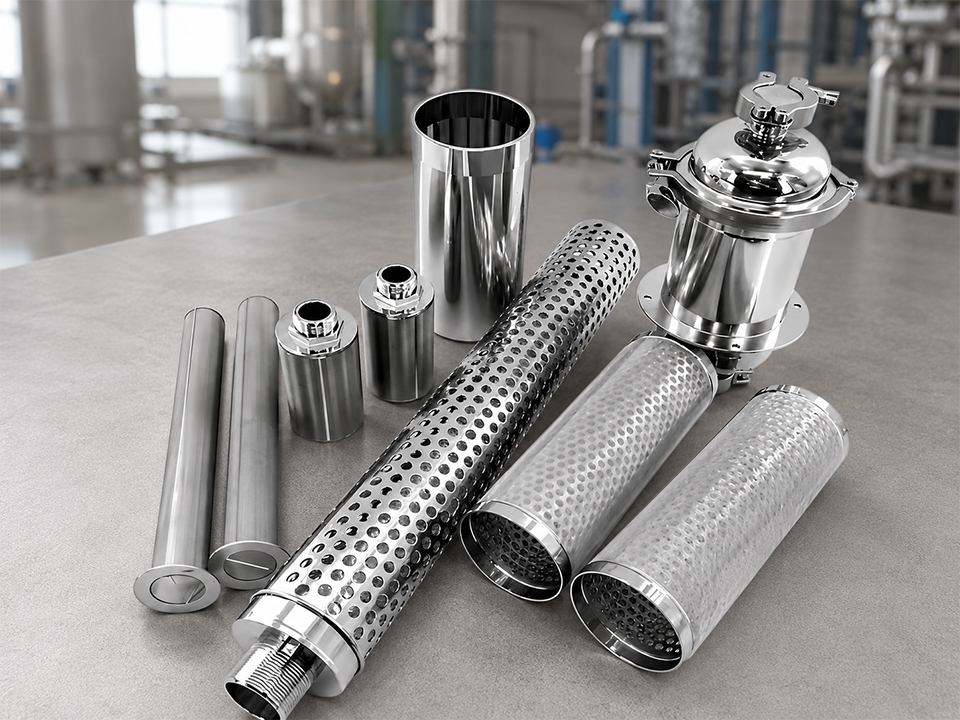
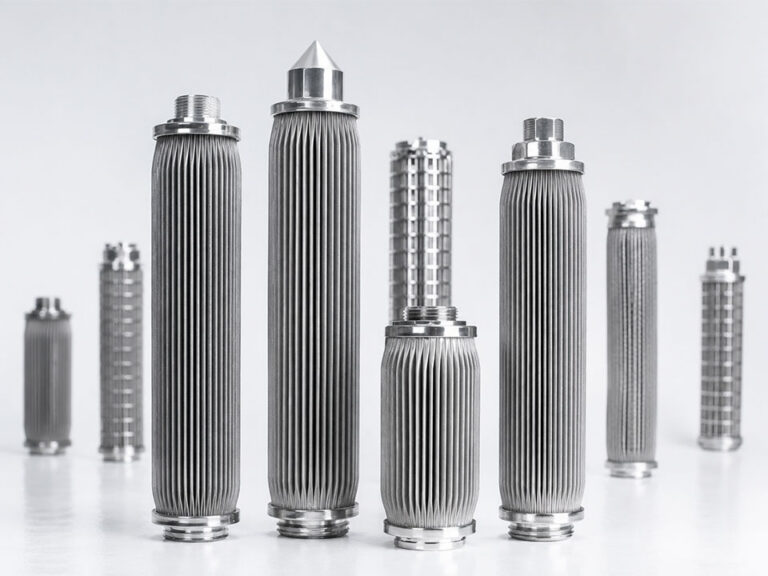
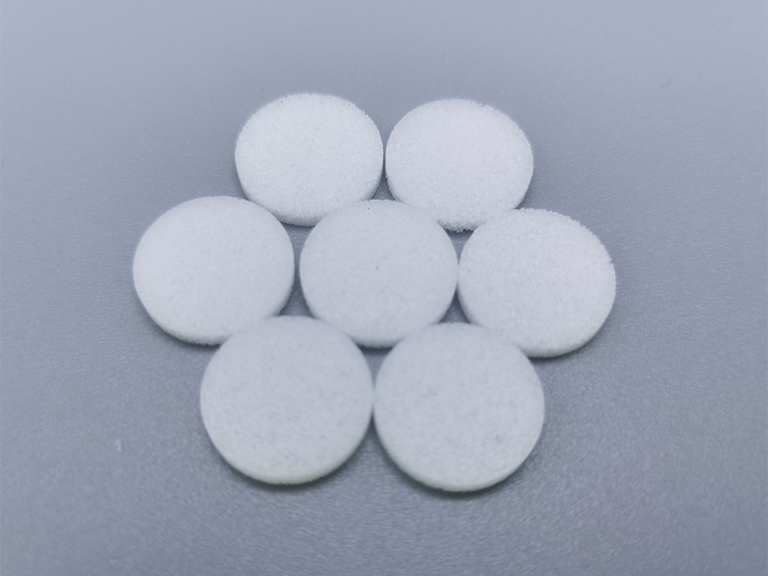
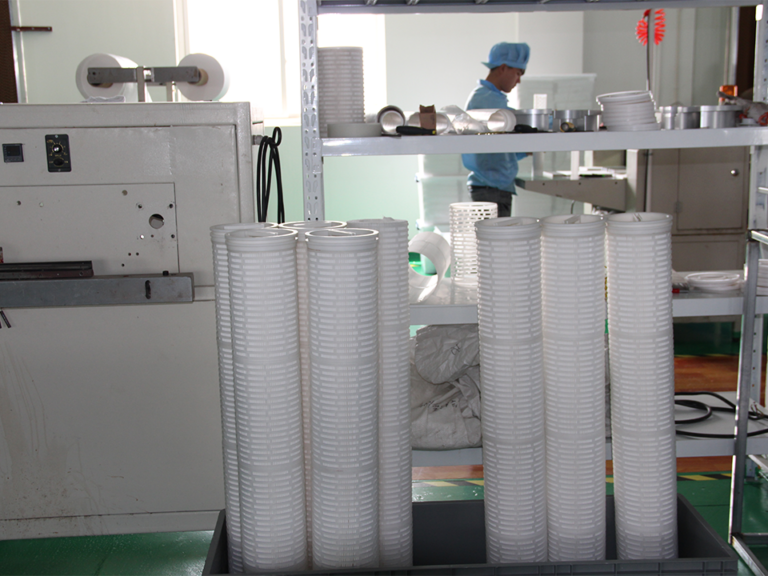
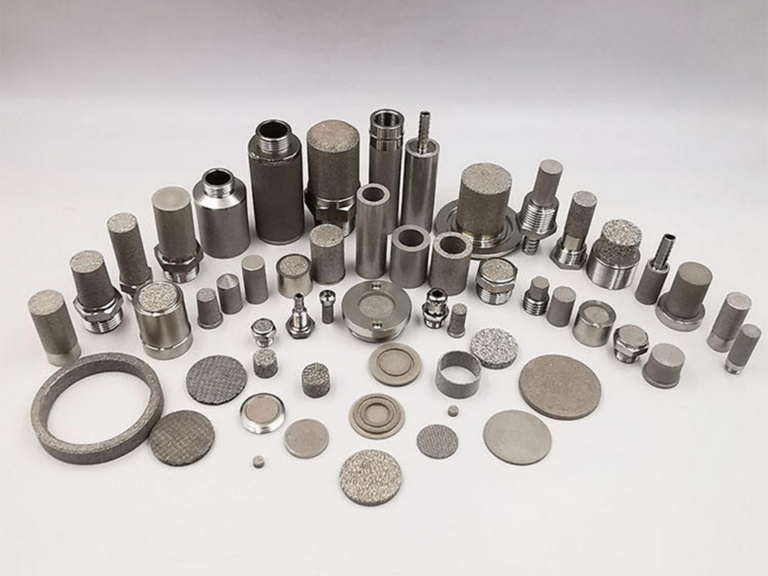
Before you leave, we invite you to talk directly with our managing team to ensure you receive the most accurate technical guidance, pricing support, and customization options for your project. Our experts can quickly evaluate your requirements, recommend suitable sintered plastic filter solutions, and help you reduce sourcing risks while improving efficiency, consistency, and long-term supply stability for your industrial applications.
Need Help Selecting the Right Filter Cartridge?
Our Sales Team
Tell our sales support team your product type, micron rating, size, application, filtered medium, working temperature, pressure, and estimated quantity. We will help you match the right sintered plastic, sintered metal, or sediment filter cartridge.
What Is a Sintered Metal Filter and How Does It Work?
Smudged ends. A brownish cake stayed the upstream face. One operator called it “dead.” The upkeep manager differed, touched the real estate with a wrench, and stated the genuine trouble was the process– not the filter.
He was right.
A Sintered Metal Filter is what designers purchase when the simple media choices have actually currently lost the fight. Paper swells. Fabric sheds. Polymer softens. Economical cartridges collapse when pressure gets rude. Steel, at least, has some spinal column.
However do not get charming regarding it.
A sintered steel filter is a rigid permeable aspect made from steel powder, woven cable mesh, steel fiber felt, or layered metal media bound together by heat. The sintering temperature sits below the melting factor, so the metal does not become a strong plug. The get in touch with points bond. The pore paths continue to be open. Unclean fluid enters. Cleaner liquid appears.
That’s the clean version.
The area version is messier: penalties migrate, cakes small, backpulse valves get lazy, seals age, operators ignore differential stress, and some buyer someplace still thinks “10 micron stainless-steel” is a complete specification.
It isn’t.
Here’s the ugly truth: most poor sintered filter projects start with an RFQ that’s too slim. Micron ranking, outer diameter, length, quantity. That’s it. No thickness. No solids loading. No temperature level swing. No fragment form. No pressure-drop ceiling. No cleaning approach. No note regarding whether the slurry transforms gummy when it cools down by 12 ° C. After that everyone acts surprised.
A sintered steel filter structure can be built in several ways. Powder media provides a tortuous course– great for controlled retention, sometimes uncomfortable when fines bury deep. Sintered mesh acts even more like a tough display, particularly when surface cake launch issues. Steel fiber really felt provides greater dirt-holding ability and excellent leaks in the structure. Perforated-plate composite mesh is the heavy-duty choice when the process likes stress pulses, vibration, or rough handling.
Various beasts.
And of course, they may all rest under the very same wide catalog tag: sintered metal filter cartridge. That’s the trap. A customer sees a shiny cyndrical tube and assumes the distinction is mainly rate. From my experience, the difference is normally pressure decrease, cleanability, circulation circulation, and how much time the component survives after the first hideous startup.
The united state EPA’s 2024 Heavy steam Electric ELG technological development file is not a sintered metal filter sales brochure, obviously. But it does reveal why industrial water treatment, recurring control, and wastewater integrity now rest near regulatory and running risk. Plants do not obtain endless mercy due to the fact that a purification train was underspecified.
And from the warm side, the DOE thermal process augmentation workshop report indicate high-temperature gas filtering system, low stress drop, and low-maintenance filtration as real requirements in industrial thermal processes. Heaters, central heating boilers, glass, steel, aluminum– filthy warm work, basically.
Not pretty. Required.
So exactly how does a sintered steel filter job?
Stress drives gas or liquid with a porous steel wall. Particles larger than the efficient pore openings stop near the surface area. Smaller particles might obtain trapped inside the pore network. In time, a cake layer can form on the upstream side. That cake may enhance fine capture. It may also suffocate the line if it will not release.
That’s filtering.
Typically.
The important battle is deepness filtering vs surface filtering. Extensive filtration, particles lodge inside the interior pore structure. In surface filtration, particles accumulate primarily on the inlet face and develop a detachable cake. A good backwash system likes surface cake. It hates deep pore connecting. Every person hates deep pore plugging.
Mott’s sintered permeable steel purification material discusses this split in practical terms. Their polymer melt filtering paper likewise divides surface area purification, depth filtering, and cake filtering as various operating behaviors, not marketing decors.
That matters more than numerous directories admit.
If your solids hug the surface, backflush may recover circulation. If fine fragments creep into the pore throats, ultrasonic cleaning or chemical washing may help. Or otherwise. In some cases the element comes back 90%. In some cases 60%. Often it becomes a pricey lesson with end caps.
I don’t trust words “reusable” unless somebody informs me reusable under what problems.
A multiple-use heat steel filter can take care of vapor cleaning, hot gas, solvent direct exposure, unpleasant penalties, and stress cycling much better than several disposable media. But it’s not never-ceasing. Chlorides can assault 316L. Carbonized deposit can plug media. Poor welds can break. Thermal fatigue is genuine. An incorrect acid wash can destroy a great component much faster than the process ever could.
Metal forgives. Until it doesn’t.
A 2023 MDPI review on hot gas clean-up filtration reviews sintered alloys for high-temperature service, including running references up to around 925 ° C in neutral settings, while additionally pointing out the unpleasant tradeoff: mechanical toughness can go down at elevated temperature level, and durable high-temperature alloys can become costly quick.
There it is.
This is why I do not like the expression “best sintered metal filter.” Best of what? Nitrogen at 180 ° C? Stimulant penalties in petrochemical solution? Polymer thaw with gel particles? Food-grade compressed air? Hydraulic oil? Acidic fluid with chlorides? Vapor sterilization? A backpulse skid that hardly has enough pulse power to relocate dirt off the surface?
Different responsibility. Various answer.
If you’re contrasting sintered steel filter cartridges, don’t arrange them just by micron score. Sort them by media structure, alloy, cleanability, pressure-drop habits, dirt-holding pattern, and just how the element will be cleaned up after it obtains filthy in the actual system– not in a clean lab flow examination.
A lab test is polite. Production isn’t.
Filter media kind
Typical structure
Filtering habits
Stamina
Cleanability
Best-fit use situation
Sintered steel powder
Bound metal particles with interconnected pores
Solid depth purification with some surface filling
High
Tool to high, depending on bit penetration
Gas/liquid sprucing up, chemical filtration, stimulant fines
Sintered wire mesh
Numerous woven mesh layers sintered with each other
High dust loading, thick liquids, high permeability requires
Sintered pleated steel media
Pleated steel mesh or fiber media
Larger area, lower speed per area
High
High if cake launch is excellent
Small housings, high circulation, lower stress decrease
Perforated plate composite mesh
Mesh sustained by perforated metal plate
Surface filtration with enhanced structure
Very high
High
High pressure, resonance, severe mechanical solution
Yet below’s where the sales talk generally obtains also clean.
A sintered metal filter doesn’t fail pleasantly. It tons. It blinds. It sees stress spikes. It gets cleansed too late. It gets cleaned up as well strongly. Somebody swaps the procedure chemical. Someone modifications pump speed. The fluid cools before the housing and quits solids that weren’t intended to be there.
After that the filter takes the blame.
From my experience, at least half of “filter issues” are upstream problems with a stainless-steel witness. Poor pre-filtration. Incorrect pump option. Poor real estate geometry. No drain factor. No venting self-control. Dead legs accumulating sludge. Differential stress alarms established after the damages is currently done.
Awkward? Yes.
Useful? Also yes.
A correct sintered steel filter specification need to consist of material quality, micron rating or media quality, pore size circulation, porosity, permeability, flow price, thickness, running temperature level, stress limit, optimum differential stress, particle dimension distribution, solids concentration, seal product, end link, cleansing method, and anticipated service period.
That appears laborious.
Excellent.
Industrial purification is tedious when it’s done right. It gets pricey when it’s done slackly.
Ask this before purchasing: where will the dust live after 8 hours, 40 hours, and 5 cleaning cycles? Externally? Inside the pore network? In the real estate sump? Downstream since the bits warp? In a compacted cake that backwash can not raise?
No one likes that inquiry.
Ask it anyhow.
The standard sintered steel filter working principle is simple enough for a brochure: contaminated fluid enters, pressure presses it via permeable steel, particles are maintained, tidy fluid departures, and the aspect is cleansed or replaced when pressure decrease rises. Yet the design fact beings in the information– cake launch, pore connecting, alloy compatibility, backpulse power, thermal cycling, and whether the system has sufficient filtration location to avoid running the media as well hard.
Velocity issues. A great deal.
Run way too much circulation with insufficient media location and you’ll force bits deeper, raise pressure decline quicker, and make cleansing harder. Pleated steel media can assist by raising location. Mesh can help when cake launch is the video game. Powder media can aid when great retention and stiff deepness capture issue. Fiber felt can help when dirt loading is unsightly but stress decline still requires to remain sane.
No free lunch.
So, is a sintered steel filter worth it? I truthfully think it is when downtime, warmth, chemical strike, and cleaning cycles matter greater than initial acquisition rate. I do not believe it is instantly worth it for every single filtration factor. In some cases a non reusable cartridge is smarter. In some cases a bag filter upstream conserves the expensive metal element downstream. Occasionally the right solution is a cyclone, separator, or settling step before the cartridge ever before sees the stream.
That’s not anti-metal. That’s procedure thinking.
An excellent provider needs to not just estimate a component. They must ask frustrating questions. Fluid? Temperature level? Pressure? Dust lots? Cleansing plan? Target retention? Allowed stress decline? Continual or set? Any Kind Of CIP or SIP? Any chlorides? Any type of thermal shock? Any fragment deformability? Any type of historical plugging information?
If they do not ask, you ask.
And if all they can send out is a glossy item image and “custom-made sizes readily available,” slow down.
What Is a Sintered Metal Filter
FAQs
What is a sintered steel filter? A sintered steel filter is a stiff permeable filtering aspect made from bound metal powder, woven mesh, or steel fiber media, created to eliminate bits from gases or liquids while resisting heat, pressure, corrosion, vibration, and repeated cleansing cycles sought after commercial filtering systems.
In shop-floor language, it’s not simply a steel tube with openings. It’s engineered porous media. Common alloys include 316L stainless steel, bronze, nickel alloys, titanium, and corrosion-resistant qualities chosen around chemistry, temperature level, stress, and cleaning technique.
Exactly how does a sintered steel filter work? A sintered metal filter functions by forcing contaminated gas or liquid via a controlled permeable steel structure, where particles are recorded on the media surface, inside the pore network, or both, while the cleansed liquid leaves downstream with reduced strong contamination.
At startup, the media does the majority of the work. As solids gather, cake filtering might sign up with the party. If the cake releases during backwash, life is great. If fines lodge deep inside the media, cleaning obtains unsightly.
Is a sintered steel filter reusable? A sintered metal filter is reusable when its caught contaminants can be gotten rid of by backflushing, ultrasonic cleansing, chemical cleaning, thermal cleansing, or mechanical approaches without damaging the steel media, welds, seals, or controlled pore structure.
But don’t treat “recyclable” like a warranty versus physics. Sticky polymers, hard scale, carbon residue, chloride rust, and deeply embedded fines can shorten life span. Reuse depends on impurity habits, pore framework, alloy choice, and cleansing technique.
What is the difference in between depth purification and surface filtering? Depth purification captures bits within the internal pore network of the filter media, while surface filtering captures fragments mainly on the external media face, usually creating a detachable cake that can improve splitting up yet additionally enhances differential stress.
In method, sintered powder often favors depth capture, sintered mesh frequently acts closer to surface purification, and fiber really felt offers extra dirt-holding capability. Same micron score? Possibly. Same area behavior? Not.
When should engineers choose a sintered steel cartridge filter? Designers must choose a sintered steel cartridge filter when the procedure entails heat, high stress, hostile chemicals, vapor cleaning, duplicated backwash, abrasive particles, stringent cleanliness requirements, or operating problems that would certainly damage disposable polymer, paper, or material filter media.
Good fits include catalyst recuperation, hot gas filtration, hydraulic oil security, polymer melt purification, chemical processing, petrochemical solution, procedure gas purification, and rough liquid polishing. Negative fit? Any type of application where nobody recognizes the dirt load, cleansing approach, or permitted stress decrease.
If your process is warm, pressurized, destructive, abrasive, multiple-use, or costly to close down, don’t buy a sintered metal filter by photo and micron rating alone. Send out the actual operating data– circulation rate, temperature, pressure, liquid chemistry, bit load, target retention, cleansing method, and housing restrictions– after that compare sintered powder, sintered mesh, sintered felt, pleated metal, and perforated-plate composite alternatives before you ice up the spec.