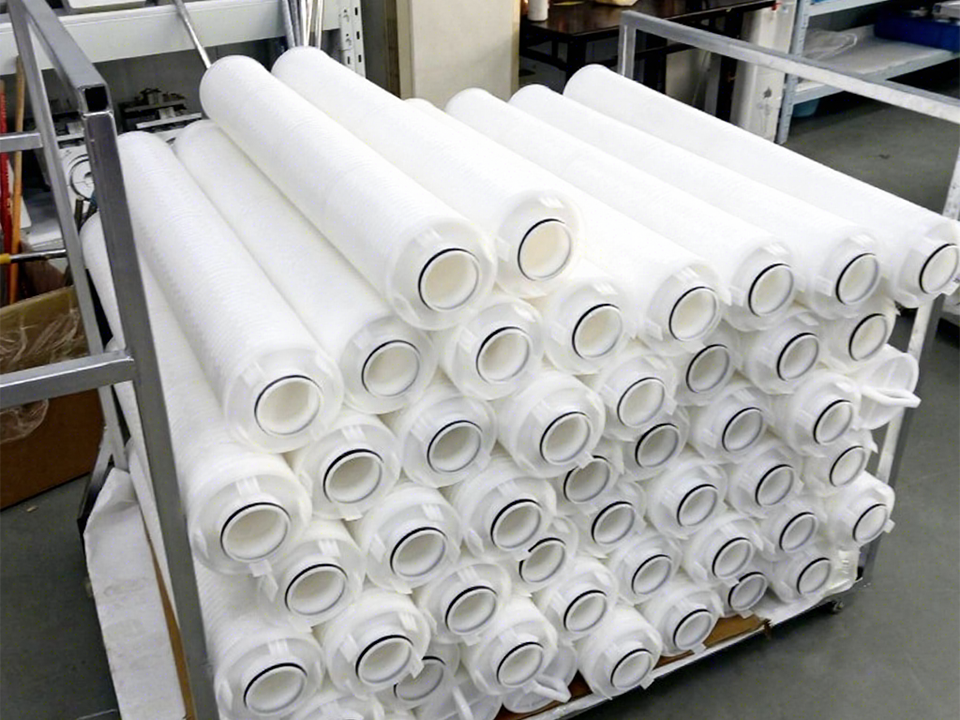
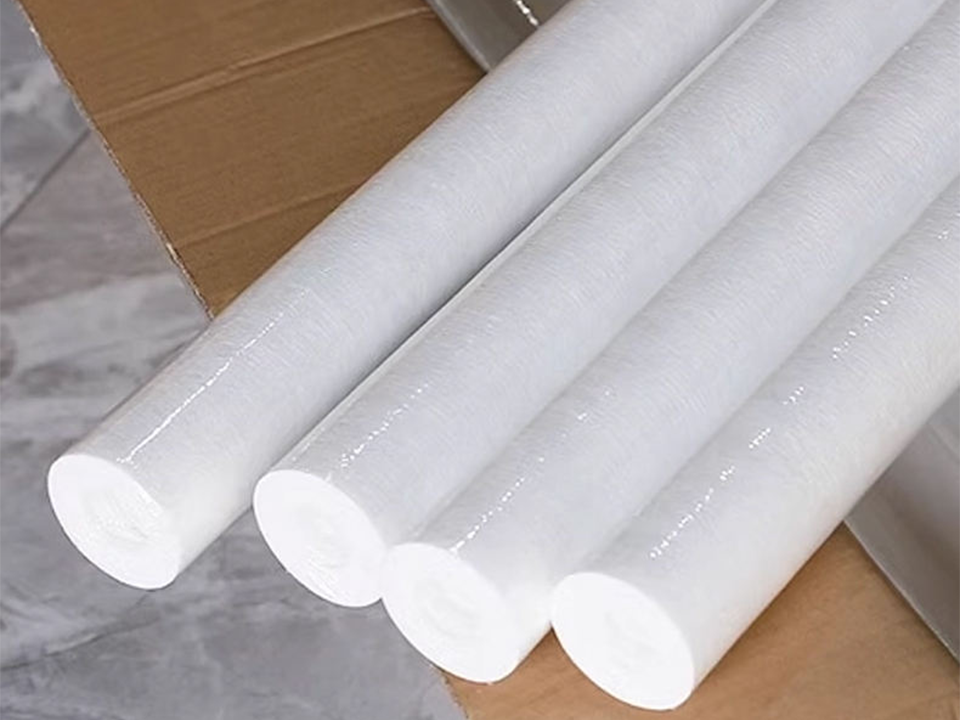
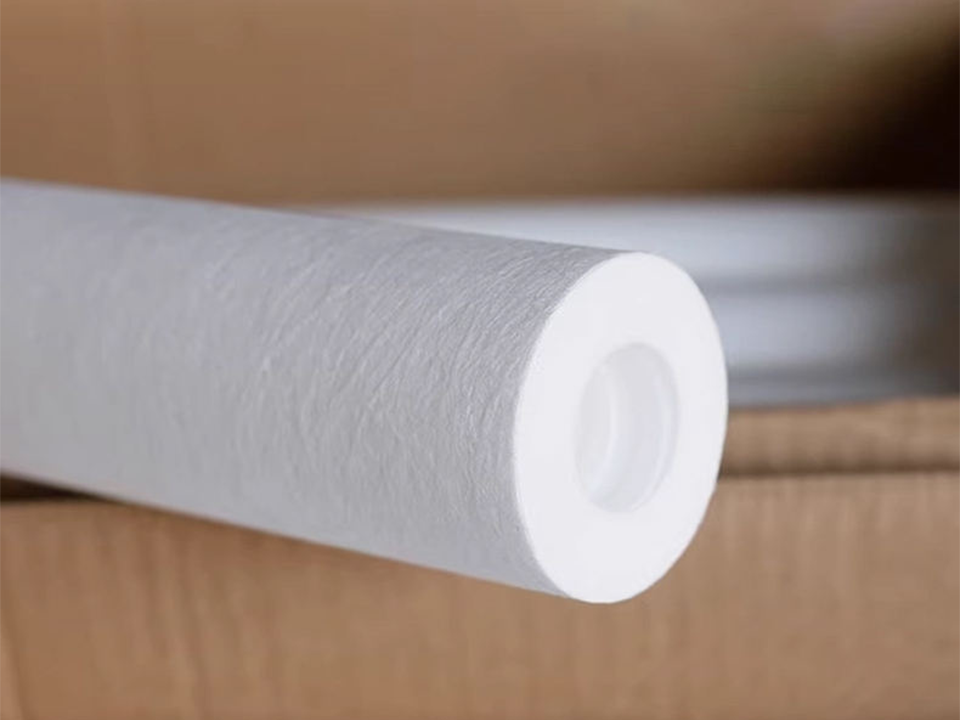
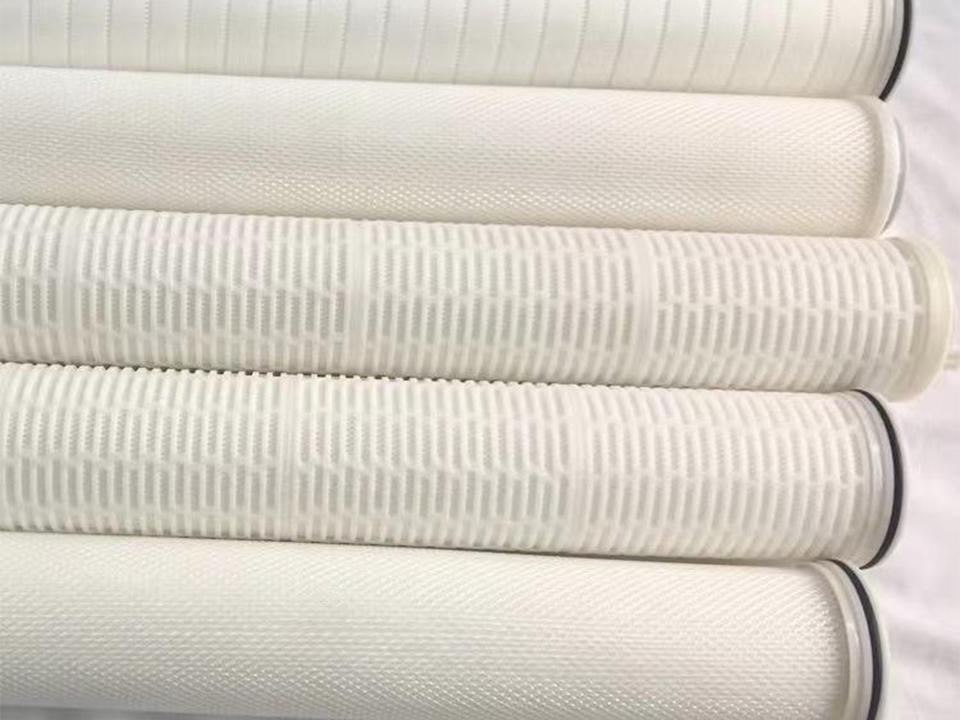
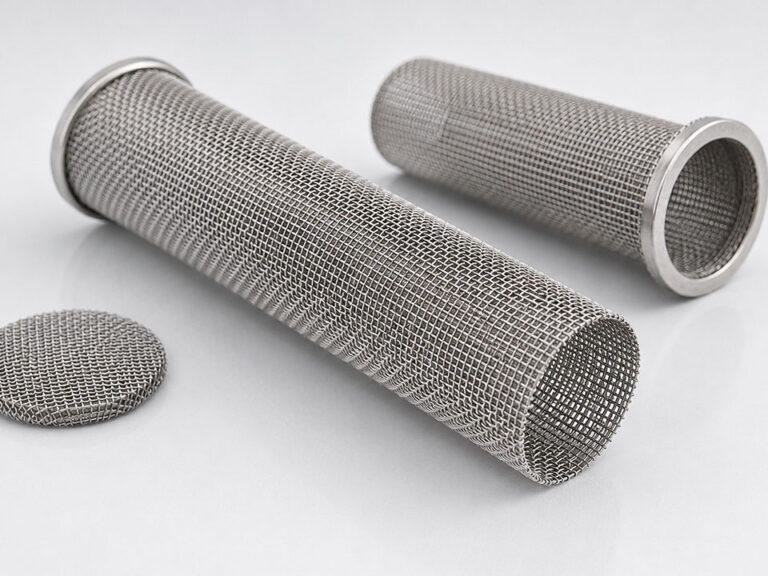
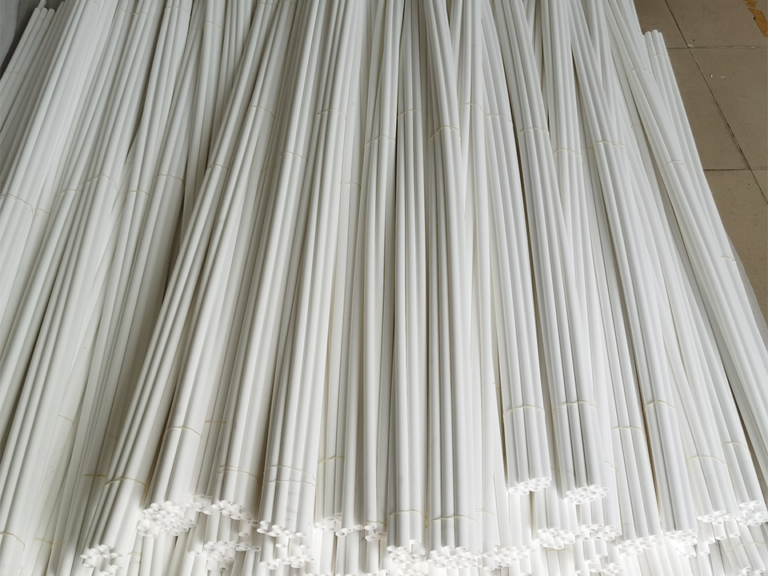
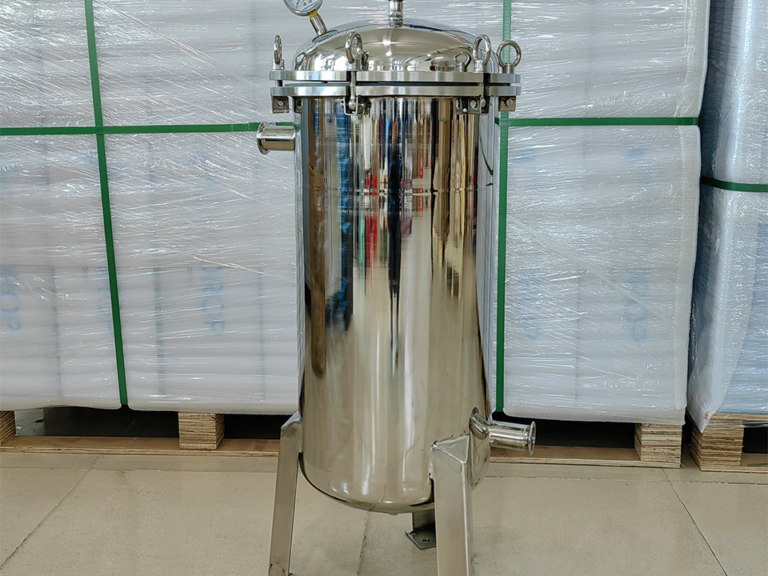
Before you leave, we invite you to talk directly with our managing team to ensure you receive the most accurate technical guidance, pricing support, and customization options for your project. Our experts can quickly evaluate your requirements, recommend suitable sintered plastic filter solutions, and help you reduce sourcing risks while improving efficiency, consistency, and long-term supply stability for your industrial applications.
Need Help Selecting the Right Filter Cartridge?
Our Sales Team
Tell our sales support team your product type, micron rating, size, application, filtered medium, working temperature, pressure, and estimated quantity. We will help you match the right sintered plastic, sintered metal, or sediment filter cartridge.
When to Replace Melt Blown, Pleated and High Flow Cartridges
Most cartridges don’t “fail.”
They get ignored.
A melt blown cartridge plugs slowly, a pleated cartridge hides dirt inside folds, a high flow cartridge keeps limping because the system still produces enough flow to avoid an alarm—and then one morning the pump is screaming, the bypass is open, QA is asking questions, and maintenance says, “It was fine yesterday.” Was it?
No.
It was dying politely.
Filter cartridge replacement is not about changing elements when they look dirty. That’s amateur work. In real plants—water treatment, food and beverage, chemical processing, plating, RO prefiltration, cooling water, power generation, pharma utilities, and general process filtration—the right changeout point sits between two bad decisions: replacing too early and wasting money, or replacing too late and paying through pressure drop, flow loss, contamination risk, and downtime.
Here’s the ugly truth: a cheap cartridge can become an expensive restriction.
I’ve seen $20–$80 melt blown filters cause pump cavitation arguments. I’ve seen pleated cartridges run past their collapse-risk window because someone thought “more dirt holding” meant “run forever.” I’ve seen high flow cartridges save labor beautifully—until the plant forgot that one big cartridge can hide one big problem.
For cartridge selection and upstream/downstream context, connect this discussion with sediment filter cartridges, melt blown filter cartridges, pleated filter cartridges, high flow filter cartridges, and filter cartridge sizing and pressure drop. Replacement timing is not a warehouse habit. It is part of hydraulic design.
The first rule: don’t replace by calendar only
But let’s attack the lazy rule first.
“Change every month.”
Maybe.
Maybe not.
A fixed cartridge filter replacement interval works only when feed quality, flow rate, temperature, operating hours, solids loading, and process risk are stable. In many plants, they are not. Rain changes raw water. Rust flakes off old piping. Activated carbon fines break loose. A tank cleanout sends sludge downstream. Operators open a bypass valve and forget to tell anyone. Suddenly the “monthly changeout” rule looks less like maintenance and more like a superstition with a purchase order.
Pressure tells the story.
Differential pressure, specifically.
The clean pressure drop tells you where the cartridge starts. The changeout pressure tells you where it should stop. The trend between those two points tells you whether the process is behaving or drifting into trouble.
The U.S. Department of Energy has long pushed pump-system optimization because pumping systems can hide serious energy waste; one DOE-funded chemical-industry study estimated about 20% potential savings from industrial pumping system optimization, representing more than 7,500 GWh/year in that sector alone: DOE pumping system efficiency study. That matters here because clogged cartridges are not just consumables. They are pressure-drop machines.
Pressure drop is rent.
You pay it every hour.
Changeout is not the same for melt blown, pleated and high flow cartridges
A melt blown cartridge is a dirt sponge.
A pleated cartridge is an area machine.
A high flow cartridge is a big-area, high-throughput workhorse—usually designed to reduce cartridge count, labor, and housing size in large systems.
Same family. Different behavior.
Melt blown filter replacement tends to be driven by depth loading. Dirt gets trapped through the thickness of the PP matrix. It is cheap, forgiving, and good for bulk sediment. But once it loads heavily, pressure drop rises and it usually cannot be cleaned back to life.
Pleated filter cartridge replacement is more about surface area, pleat loading, media strength, end-cap sealing, and whether the folds are blinding evenly. Pleated cartridges can last longer than melt blown in many applications because they offer more usable area, but they can also fail ugly if overloaded, chemically attacked, or run past differential-pressure limits.
High flow cartridge replacement is about total system economics. One high flow element may replace multiple standard 2.5-inch cartridges. That lowers labor. Good. But it also means one delayed changeout can affect a large flow path. In RO pretreatment, cooling water, plant water, or process skids, that matters.
Don’t manage these three types with the same rule.
That’s lazy.
The real trigger: differential pressure limit
Here’s the practical core.
Replace the cartridge when differential pressure reaches the manufacturer’s recommended changeout limit, when flow loss affects the process, when downstream quality drifts, or when the cartridge reaches a validated time/service limit for the application.
Usually, differential pressure is the cleanest trigger.
Not perfect.
Cleanest.
For many disposable cartridge systems, plant teams set changeout somewhere around 1.0–2.5 bar differential pressure, or roughly 15–35 psi, depending on cartridge type, housing design, flow demand, media strength, fluid viscosity, and collapse-pressure rating. Some systems run lower limits because pump head is tight. Some run higher because the cartridge and housing can tolerate it. Don’t copy numbers blindly.
Ask the cartridge supplier for:
Clean ΔP at rated flow.
Recommended changeout ΔP.
Maximum differential pressure.
Collapse pressure.
Temperature derating.
Chemical compatibility.
Flow direction.
Bypass risk.
Housing pressure rating.
And ask whether the limit applies to water at 20°C, oil, glycol, solvent, or dirty process fluid. A 10 µm cartridge that looks fine in water data may behave badly in viscous liquid.
Melt blown cartridges are the classic sediment workhorse.
PP fibers. Graded density sometimes. Depth loading. Low cost. Big dirt capacity for many water applications. They are popular because they are simple and disposable. That does not make them harmless.
A melt blown cartridge usually should be replaced when differential pressure reaches the changeout limit, flow rate drops below the process requirement, downstream turbidity/particle load rises, or the cartridge reaches a sanitary or time-based limit.
For water pretreatment, I often see plants start with a changeout trigger around 15 psi / 1 bar ΔP and adjust after trend data. For less sensitive industrial water, they may stretch it higher. For RO prefiltration, food-contact water, pharma utilities, or sensitive equipment protection, I’d be more conservative.
Why?
Because melt blown cartridges can load deep. Once packed, they are done. If the plant keeps pushing flow through a blinded depth cartridge, particles can unload, channels can form, seals can stress, and downstream equipment pays the bill.
Tiny part.
Big headache.
Melt blown filters are often cheap enough that the real question is not “how long can we squeeze it?” The better question is: what changeout point gives the lowest total cost across cartridges, labor, energy, downtime, and downstream risk?
That answer is rarely “until it looks terrible.”
Pleated filter cartridge replacement: surface area helps, but not forever
Pleated cartridges give you more surface area.
That’s the sales pitch. It’s also true—when the pleats are designed well, supported well, and loaded evenly. More area usually means lower clean pressure drop and longer service life compared with depth cartridges at similar flow and micron rating.
Usually.
But pleated cartridges have their own problems. Pleats can blind. Media can deform. Support layers can collapse. End caps can separate if chemically attacked. Gaskets can leak. Flow can concentrate in one zone if housing distribution is poor. A pleated cartridge can look less “dirty” than a melt blown element and still be hydraulically finished.
From my experience, pleated filter cartridge replacement should be based on a mix of ΔP, flow stability, process cleanliness, and maximum service interval. Don’t let the wide pleat pack fool you.
A good pleated cartridge changeout rule might include:
Replace at supplier-recommended ΔP.
Replace if flow drops below control requirement.
Replace if downstream particle counts rise.
Replace after validated maximum service time.
Replace after chemical exposure outside compatibility limits.
Replace if media swelling, cracking, or end-cap separation is found.
Pleated cartridges are not magic. They’re engineered paper, polymer, membrane, glass fiber, or composite media under stress.
Respect the stress.
High flow cartridge replacement: fewer elements, bigger consequences
High flow cartridges seduce plant managers.
I get it.
One large cartridge can replace several standard cartridges. Fewer elements to change. Less labor. Smaller housing footprint. Faster service. Better ergonomics if the design is good. In a 24/7 plant, that matters.
But high flow cartridge replacement needs discipline because the system impact is larger. A clogged high flow cartridge can starve a major process line, overload pumps, reduce RO feed flow, trigger low-pressure alarms, or force operators to run parallel housings unevenly.
The mistake I see: plants treat high flow cartridges like oversized sediment filters and forget to build CMMS rules around differential pressure trend, flow loss, and spare inventory.
High flow cartridge changeout should be tied to:
Initial clean ΔP.
Changeout ΔP.
Flow demand.
Housing train redundancy.
Batch schedule.
Shutdown windows.
Spare lead time.
Labor availability.
Criticality of downstream equipment.
If the cartridge is imported and lead time is 6–10 weeks, spare-parts budgeting becomes part of replacement strategy. Not glamorous. Very real.
A missed reorder point can shut down more equipment than a missed changeout.
The dirty secret: pressure drop steals energy before it causes failure
A clogged cartridge often costs money long before anyone calls it failed.
Pumps work harder. Flow control valves open wider. Operators raise speed on VFDs. Parallel trains drift out of balance. Compressors see extra load in gas systems. The system still runs, so nobody panics.
That’s how waste hides.
A 2024 experimental study on compressed-air filtration focused on lower pressure-drop filter configurations and energy-efficient compressed-air filtration: energy efficient compressed air filtration study. Different system, same lesson: pressure drop matters because every unnecessary restriction has an energy consequence.
And pressure drop is not only energy. It can also reduce flow, shorten service intervals, increase bypass risk, damage seals, and create unstable process control.
This is why filter differential pressure limit belongs in CMMS, not on a sticky note near the skid.
Replacement table: what to change, when to change it
Cartridge type
Typical changeout trigger
What fails first
Good CMMS rule
My blunt field note
Melt blown cartridge
ΔP rise, flow loss, downstream turbidity, time limit
Depth loading, channeling, bypass, collapse risk
Replace at defined ΔP or validated hours, whichever comes first
Cheap cartridge, expensive delay
Pleated cartridge
ΔP limit, particle breakthrough, flow instability, max service interval
Pleat blinding, media stress, seal leak, chemical attack
Replace at ΔP limit; inspect for pleat damage and gasket condition
A supplier may state a maximum differential pressure of 35 psi, 50 psi, or more, but the practical changeout pressure may need to be lower because the pump has limited head, downstream flow cannot drop, cartridge deformation risk rises, or the process cannot tolerate bypass.
My preferred setup:
Record clean ΔP after installation.
Set warning ΔP.
Set changeout ΔP.
Set high-high alarm below collapse or bypass risk.
Track hours and throughput.
Review post-changeout ΔP.
Calculate actual service life.
Adjust interval after 3–5 cycles.
Simple system.
Most plants skip half of it.
A basic example: a pleated cartridge starts at 0.15 bar clean ΔP at normal flow. Warning at 0.7 bar. Changeout at 1.0 bar. High-high alarm at 1.3 bar. If the plant starts hitting changeout in 3 days instead of 14, do not just order more cartridges. Find the upstream change.
The cartridge is a witness.
Not always the criminal.
Replacement interval: hours, gallons, batches, or pressure?
Use all of them when needed.
For stable water service, gallons or operating hours may work. For variable dirt load, differential pressure works better. For food and pharma, batch-based rules may matter. For carbon or specialty media, breakthrough testing may matter more than pressure drop. For high flow cartridges, spare inventory and shutdown windows may matter as much as the element’s remaining dirt capacity.
EPA’s membrane filtration guidance discusses frequent backwash and productivity loss in membrane systems, but the bigger operational lesson applies here: cleaning and replacement are part of system capacity, not just maintenance housekeeping: EPA membrane filtration guidance manual. Cartridge replacement also removes capacity from the plant: isolation, draining, opening housings, disposal, cleaning, gasket checks, restart, and verification.
That time belongs in planning.
Not emergency response.
When visual inspection lies
A brown cartridge may still have life.
A white cartridge may be done.
Visual inspection is useful, but it is a lousy primary trigger. Color depends on contaminant type, media structure, depth loading, chemical staining, biological growth, iron, manganese, carbon fines, oil, and whether dirt is trapped inside rather than on the surface.
I once saw a melt blown PP cartridge that looked merely tan but had tripled the pressure drop. The dirt was deep in the matrix. Another cartridge looked disgusting but still flowed well because the stain was mostly harmless color body.
Eyes lie.
Gauges are better.
Trend data is best.
The spare-parts budget problem
Plant managers often budget cartridges by last year’s usage.
That’s okay until feed water changes, production volume rises, seasonal solids load increases, upstream treatment fails, or the supplier changes media construction quietly. Then the budget collapses.
Build spares from reality:
Average changeout interval.
Worst-month changeout interval.
Lead time.
Minimum stock.
Emergency stock.
Number of housings.
Parallel train design.
Shutdown windows.
Critical equipment protected.
If high flow cartridges take 8 weeks to import, don’t carry two pieces because “they’re expensive.” That’s not lean inventory. That’s downtime with a purchase order attached.
Signs you waited too long
The obvious sign is high differential pressure.
But there are quieter signs:
Pump speed creeps up.
Flow drops at the same valve position.
Downstream pressure falls.
RO feed pressure becomes unstable.
Particle counts rise.
Turbidity increases.
Operators open bypass more often.
Cartridge housings become harder to vent or drain.
Changeout intervals suddenly shrink.
New cartridges start with higher-than-normal clean ΔP.
That last one is interesting. If new cartridges show high clean ΔP, you may have wrong micron rating, wrong cartridge type, poor installation, housing fouling, blocked inlet distribution, incompatible fluid viscosity, or supplier media variation.
Don’t blame dirt automatically.
FAQ
When should filter cartridges be replaced?
Filter cartridges should be replaced when differential pressure reaches the approved changeout limit, flow drops below process requirements, downstream quality deteriorates, a validated time or batch limit is reached, or the cartridge shows damage, bypass risk, chemical attack, or collapse concerns.
For most industrial systems, differential pressure plus process performance gives the best replacement signal. Calendar schedules alone are often too early or too late.
When should melt blown filter cartridges be replaced?
Melt blown filter cartridges should be replaced when depth loading raises differential pressure to the changeout limit, flow falls below the required rate, downstream turbidity or particle passage increases, or the cartridge reaches a validated service interval for sanitary or process-risk reasons.
Melt blown filters are usually disposable. Once heavily loaded, they should not be treated like cleanable media.
When should pleated filter cartridges be replaced?
Pleated filter cartridges should be replaced when differential pressure reaches the supplier or plant limit, downstream particle counts rise, flow becomes unstable, the cartridge reaches a maximum service interval, or inspection shows pleat damage, media swelling, end-cap failure, or gasket leakage.
More surface area can extend life, but pleated media still blinds, deforms, or fails when pushed too far.
When should high flow cartridges be replaced?
High flow cartridges should be replaced when differential pressure trend reaches the approved changeout point, process flow drops, feed-pressure alarms appear, downstream equipment risk increases, or the cartridge reaches a planned shutdown, batch, or maximum service interval.
Because one high flow cartridge may handle a large process stream, replacement planning should include spare inventory and lead time.
What differential pressure should trigger cartridge replacement?
Cartridge replacement should usually be triggered by the manufacturer’s recommended differential-pressure limit adjusted for the plant’s pump head, housing rating, collapse-pressure margin, flow requirement, fluid viscosity, process risk, and downstream contamination tolerance.
Many plants use warning and changeout levels instead of one alarm. That gives maintenance time to plan the replacement before flow becomes unstable.
How often should sediment filters be changed?
Sediment filters should be changed based on differential pressure, flow loss, downstream cleanliness, treated volume, operating hours, or validated service interval, with the exact timing depending on dirt load, micron rating, cartridge type, feed quality, and process risk.
Stable water systems may use calendar intervals. Variable industrial systems should rely more heavily on pressure and flow trends.
Can filter cartridges be replaced too early?
Filter cartridges can be replaced too early when calendar-based maintenance ignores remaining dirt capacity, clean pressure drop, downstream quality, and actual service conditions, causing unnecessary cartridge cost, labor, disposal waste, and avoidable production interruptions.
Early replacement is safer than late replacement in critical service, but it should still be based on data, not habit.
What happens if cartridge filters are not replaced on time?
If cartridge filters are not replaced on time, pressure drop rises, flow falls, pump or compressor energy use increases, bypass risk grows, media can deform or collapse, downstream contamination can increase, and emergency downtime becomes more likely.
Late replacement often looks cheaper only until the system loses flow or damages downstream equipment.
How do I set a cartridge filter replacement interval?
You set a cartridge filter replacement interval by recording clean differential pressure, defining warning and changeout limits, tracking operating hours or treated volume, reviewing downstream quality, checking supplier collapse limits, and adjusting CMMS rules after several real operating cycles.
The best interval is not copied from a catalog. It is built from your plant’s trend data.
Procurement Guidance
Send us your cartridge type, micron rating, flow rate, clean ΔP, current ΔP trend, fluid type, solids load, housing size, operating hours, and spare-parts lead time. We’ll help you set filter cartridge replacement limits, CMMS rules, and stocking levels before a cheap cartridge becomes an expensive shutdown.