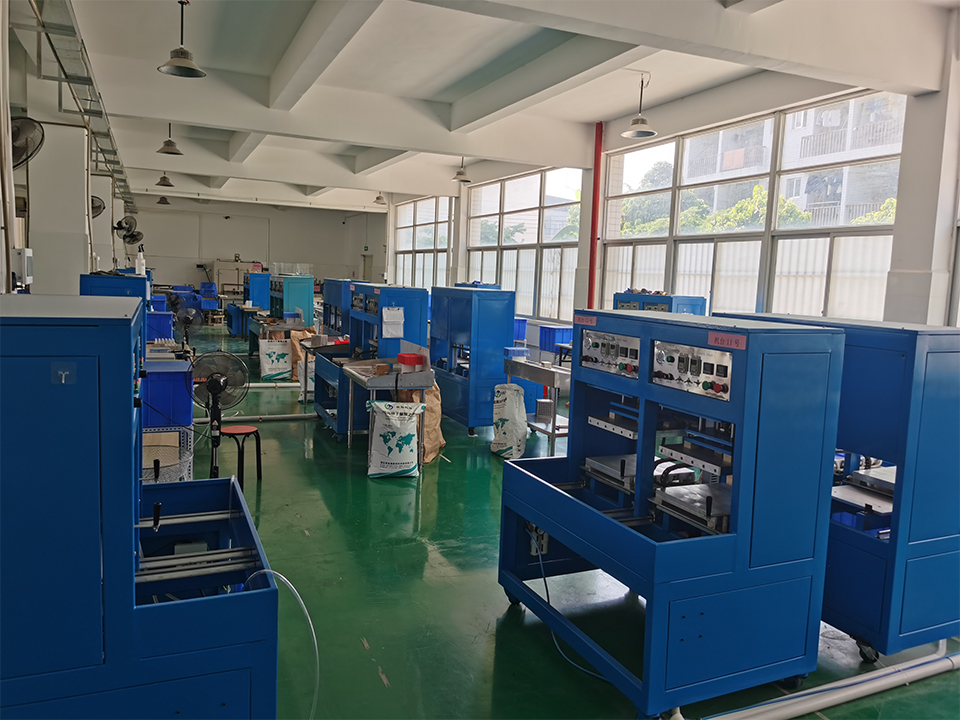
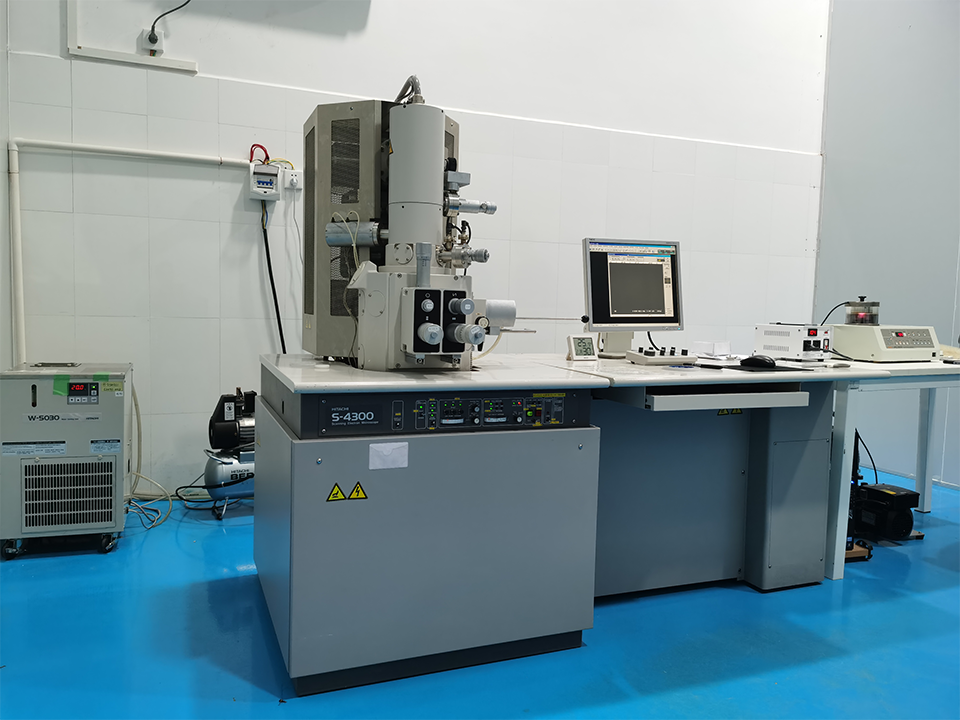
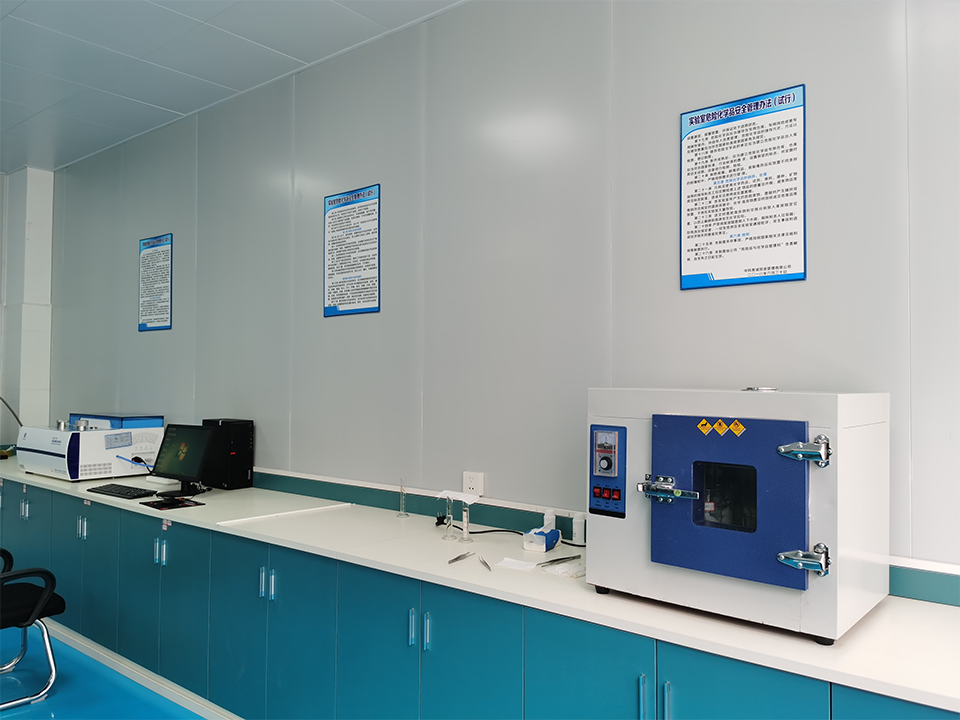
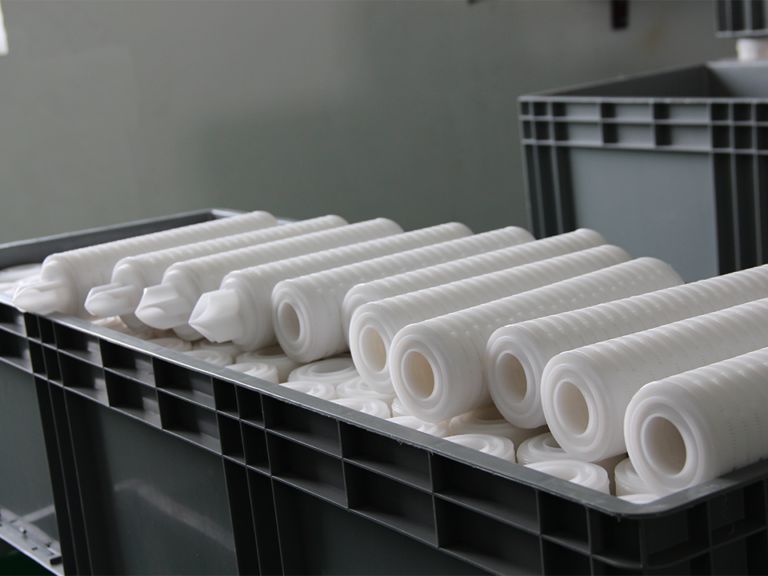
Before you leave, we invite you to talk directly with our managing team to ensure you receive the most accurate technical guidance, pricing support, and customization options for your project. Our experts can quickly evaluate your requirements, recommend suitable sintered plastic filter solutions, and help you reduce sourcing risks while improving efficiency, consistency, and long-term supply stability for your industrial applications.
Need Help Selecting the Right Filter Cartridge?
Our Sales Team
Tell our sales support team your product type, micron rating, size, application, filtered medium, working temperature, pressure, and estimated quantity. We will help you match the right sintered plastic, sintered metal, or sediment filter cartridge.
How to Audit a Sintered Filter Manufacturer Before Ordering
The showroom lies.
I don’t mean every supplier is running a scam—some are honest, some are stretched, some are just painfully optimistic—but a tidy sample cabinet, one framed ISO certificate, a polite export manager, and three shiny porous tubes on a conference table can hide outsourced powder, borrowed furnace time, missing pore-test logs, and a QC room that only wakes up before customer visits. Nice tour, right?
I’ve seen it.
A sintered filter manufacturer should be audited like a process-control supplier, not like a shop that sells metal tubes. These parts are not furniture. They’re porous engineered components, and the final behavior comes from powder chemistry, particle-size distribution, forming pressure, sintering recipe, furnace atmosphere, machining stress, weld heat, cleaning, inspection, and final pore testing.
Tiny pores. Big trouble.
Here’s the ugly truth: many “manufacturers” are not full-process manufacturers. Some are traders. Some are assemblers. Some own the machining shop but outsource sintering. Some buy semi-finished porous tubes and weld on fittings. That doesn’t automatically make them useless. I frankly believe a disciplined trading company can outperform a sloppy factory. But if they hide the handoffs, you’re buying a fog bank.
Legal company name. Factory address. Export entity. Invoice entity. Bank account. ISO certificate name. Website name. Sales email domain. Business license. Production site. They should line up without gymnastics.
If the ISO certificate says one company, the invoice says another, the business card says a brand name, and the factory gate has a fourth name painted on it, don’t explode. Just map it. Quietly. Carefully.
Ask straight:
Who owns the production site?
Who owns the sintering furnace?
Who buys the powder?
Who does pore testing?
Who issues the CoC, CoA, and MTC?
Who signs the quality agreement?
Who takes responsibility when a batch fails?
ISO describes ISO 9001:2015 quality management systems as a globally recognized quality-management standard. Fine. Useful. But ISO 9001 does not prove that the supplier owns the equipment, controls the powder, manufactures your exact filter, or tests every batch properly.
That’s the trap.
Buyers overtrust certificates and undercheck addresses. I’ve done it too, early on. Bad habit.
Trading-company risk: the hidden version is the danger
Trading companies are not the enemy.
Hidden trading companies are.
If a supplier says “we manufacture” but cannot show powder storage, compaction tools, sintering logs, machining fixtures, welding areas, cleaning process, QC test benches, and batch records, then “manufacture” is doing some heroic stretching. Maybe they outsource sintering. Maybe they purchase porous blanks. Maybe they only assemble end fittings and package the final product.
Okay.
Say so.
A proper sintered filter supplier audit should classify the supplier before judging them:
Full-process manufacturer.
Partial-process manufacturer.
Assembler with controlled subcontractors.
Pure trader.
Each can work in the right situation. A low-risk pneumatic breather may not need a fully integrated factory. A 2 µm 316L filter for pharma gas, hydrogen service, medical equipment, or high-temperature corrosive duty? Different game. Handoffs become risk.
Powder handoff.
Furnace handoff.
Machining handoff.
Inspection handoff.
Document handoff.
Every handoff is a place where responsibility gets slippery.
Powder sourcing: the filter starts here, not at final inspection
Powder is the first crime scene.
A serious powder metallurgy filter manufacturer should control powder supplier, alloy chemistry, polymer grade, particle-size distribution, moisture, contamination, mixing, storage, lot ID, and FIFO discipline. Stainless steel powder, bronze powder, titanium powder, nickel powder, PE powder, PP powder, PTFE powder—none of these behave the same in forming or sintering.
Ask to see the powder room.
Not the brochure.
The room.
You want:
Powder supplier list.
Incoming inspection records.
Material certificates.
Particle-size distribution data.
Lot numbers.
Storage conditions.
Contamination controls.
Powder mixing records.
Separation between alloys or polymer grades.
The powder metallurgy powder-quality guide discusses why powder quality, packing density, and void control matter in sintered parts. That matters directly for porous filters because powder behavior affects pore structure, permeability, pressure drop, mechanical strength, and batch repeatability.
Same 316L label.
Different powder cut.
Different packing.
Different shrinkage.
Different pore throat.
Different filter.
If the supplier cannot trace powder lot to finished filter lot, their quality story has a hole in it. Not a pore. A hole.
Forming and compaction: where the trouble gets pressed in
Watch the forming process.
That’s where a nice powder becomes either a controlled green body or a future complaint. Fill weight, compaction pressure, tool wear, green density, wall thickness, handling damage, and operator habits all show up later as pore variation. The finished tube may look fine. Flow may not.
Ask for:
Tooling maintenance records.
Compaction pressure settings.
Green-part inspection.
Wall-thickness checks.
Operator work instructions.
Scrap records.
Rework records.
Shrinkage data.
Process parameters by part number.
Do they inspect the green part before sintering?
Do they track tooling wear?
Do they know which dimensions move after sintering?
Do they separate trial parts from production parts?
If the answer is “the senior worker knows,” I get uneasy.
Senior workers are valuable. Tribal memory is not process control. When that worker leaves, retires, gets sick, or trains someone badly, your “stable supplier” suddenly becomes a lottery machine.
The furnace tells the truth
Yet the furnace is where I slow down.
Sintering is not just “heat it until it bonds.” Temperature profile, atmosphere, hold time, furnace loading, tray material, cooling rate, part spacing, oxygen control, and calibration all affect the final pore network. Too cold and the part is weak. Too hot and permeability drops. Bad atmosphere and contamination creeps in. Uneven loading and the same batch behaves like two batches.
That’s not theory.
That’s Tuesday.
Ask for:
Furnace type.
Temperature range.
Atmosphere control.
Sintering recipe by product family.
Batch log.
Furnace loading map.
Calibration records.
Thermal mapping if available.
Maintenance schedule.
Nonconforming furnace-run records.
Operator sign-off.
Then ask the sharp question: can they trace one finished filter to one furnace run?
If they can’t, don’t let the tour continue as if nothing happened.
A sintered filter manufacturer that cannot trace furnace history is asking you to trust the most important part of the process by faith. I don’t buy filters by faith.
Machining and welding: where good media gets murdered
A good porous tube can die after sintering.
Machining can smear pores. Bad fixturing can crush edges. Dull tools can create burrs. Welding can distort end caps. Heat can change local structure. Cleaning can push debris into the pores if done carelessly. A filter can pass media testing and still shed particles downstream because secondary operations were sloppy.
I’ve seen this exact mess.
Beautiful porous media.
Ugly welded assembly.
Customer rejected it, correctly.
During a sintered filter factory audit, inspect:
Machining fixtures.
Thread tolerances.
Deburring method.
End-cap fit-up.
Welding process.
Weld inspection.
Support tube assembly.
Cleaning after machining.
Post-machining flow test.
Dimensional inspection records.
For stainless filters, ask about passivation, ultrasonic cleaning, oil removal, high-pressure rinsing, clean drying, and packaging. For pharma, food, medical gas, hydrogen, or high-purity service, cleaning is part of the product. Not a final wipe with a rag.
That rag tells you everything.
Pore testing: the audit’s pressure point
This is where the sales talk usually runs out.
A serious porous metal filter manufacturer should explain pore rating, micron rating, permeability, bubble point, flow rate, and pressure drop without hiding behind “our standard.” ASTM F316 covers pore-size characteristics of membrane filters with maximum pore sizes from 0.1 to 15.0 μm, including bubble-point and mean-flow pore methods: ASTM F316 pore-size characteristics. A sintered tube is not automatically a membrane, yes, but the lesson stands: pore claims need method, conditions, and acceptance criteria.
Ask this:
What method defines the pore rating?
Nominal or absolute?
Bubble point or permeability?
Air, water, IPA, nitrogen, or another test fluid?
Every part or sample inspection?
What sample plan?
What pressure range?
What temperature?
What instrument?
Calibration date?
Records stored by lot?
Can you show failed test records?
That last one matters.
A factory with no failed tests is not necessarily good. It may be filtering reality before showing it to you.
No failed tests? Really?
Come on.
Traceability: pick a random box and walk backward
Don’t let them prepare.
Pick one finished filter from stock. Random box. Random label. Then ask them to trace it backward.
Finished product label.
Final inspection.
Pore test result.
Clean pressure drop.
Drawing revision.
Machining record.
Weld record.
Cleaning record.
Furnace batch.
Powder lot.
Material certificate.
Operator.
Date.
CoC or CoA.
Packaging record.
If they can do this in 10–20 minutes, good. If three people start making phone calls, one person disappears upstairs, and someone says “the engineer is not here today,” you learned something.
Traceability should feel boring.
FDA’s 21 CFR Part 820 Quality Management System Regulation governs methods, facilities, and controls used for medical-device design, manufacture, packaging, labeling, storage, installation, and servicing. Even outside medical devices, the principle is useful: records should prove that purchased components meet defined requirements.
Trust is friendly.
Records are safer.
ISO certificate: front door, not full audit
An ISO 9001 certificate gets you through the gate.
It doesn’t finish the job.
Check whether the quality system is alive on the floor. Are drawings controlled? Are old revisions removed? Are gauges calibrated? Is nonconforming material segregated? Are operators trained? Are complaint records reviewed? Does CAPA exist outside the ISO-audit week?
Ask to see:
Document control.
Calibration log.
Incoming inspection.
In-process inspection.
Final inspection.
Nonconforming material area.
Corrective action reports.
Training records.
Internal audit records.
Management review summary.
Customer complaint log.
Supplier evaluation records.
If the quality manager opens a binder that smells like 2019, there’s your answer.
A living QMS has fingerprints: marked-up inspection sheets, real NCRs, calibration stickers, rejected lots, corrective actions with dates, operators who know what happens when a part fails. A dead QMS looks neat.
Too neat, sometimes.
Capacity audit: can they repeat the sample?
Sample quality is seductive.
Mass production is mean.
A supplier may make ten beautiful samples by hand, with senior workers, extra inspection, selected powder, and slow machining. Then the first 2,000-piece order arrives with pore drift, thread burrs, weld color, mixed labels, and one lot that somehow “still meets general standard.”
Golden sample disease.
So audit capacity by specification, not by headline number.
Ask:
Monthly capacity by product family.
Furnace bottleneck.
Machining bottleneck.
Welding bottleneck.
Pore-test bottleneck.
Cleaning bottleneck.
Lead time by quantity.
On-time delivery record.
Scrap rate.
Rework rate.
Subcontractor dependency.
Minimum and maximum batch size.
If they claim 50,000 pieces per month, ask how many of your exact filter they can make with your pore rating, your material, your test method, your documentation, and your packaging.
Watch the number shrink.
Good. Now you’re closer to truth.
Audit table: what to check before ordering
Audit area
What to verify
Evidence to request
Red flag
My blunt view
Legal entity
Factory name, address, invoice entity, certificate name
Business license, ISO certificate, site photos, bank details
Names do not match
Map the supplier before trusting claims
Powder sourcing
Material grade, powder lot, supplier, particle-size distribution
Rating method, permeability, bubble point, pressure drop
Test report, method, calibration
Micron claim with no method
No method, no rating
Traceability
Finished lot back to powder and furnace run
Batch traveler, CoA, MTC, label
Records assembled after request
Trace one random box backward
Quality system
Document control, calibration, NCR, CAPA, training
ISO 9001, internal audits, CAPA log
Certificate only, weak records
ISO is the door, not the audit
Capacity
Real throughput at your spec
Production plan, lead-time history
Sample shop pretending mass production
Capacity must include QC time
Fake certificates and borrowed documents
Let’s not be polite here.
Fake certificates exist.
Borrowed certificates exist.
Real certificates used in misleading ways exist even more.
The ISO certificate may belong to another factory. The material report may cover another heat. The RoHS declaration may apply to the polymer only, not the full assembly. The pore report may come from the sample batch, not production. The audit report may have been prepared for a different customer three years ago and never updated.
Don’t accuse first.
Verify.
Check certificate number. Check issuing body. Check legal entity. Check address. Check expiry date. Check scope. Check whether the product family appears. Ask whether the certificate covers the site you are physically auditing.
If normal verification makes the supplier angry, that is data.
Useful data.
Don’t worship golden samples
Samples are liars with good manners.
Useful, yes. Dangerous, also yes.
A supplier can hand-pick powder, use the best worker, polish welds, test five times, and ship the prettiest three pieces. Then production starts and the “same” filter gets built on a busy line with normal scrap pressure, normal operator fatigue, normal furnace loading, and normal shortcuts.
So approve the process, not just the sample.
Request:
Sample inspection report.
Material lot.
Furnace batch.
Pore test data.
Clean pressure drop.
Drawing revision.
Surface finish.
Cleaning method.
Packaging method.
Control plan for mass production.
First-article report.
Then place a pilot order before full release, especially for tight pore ratings, custom geometry, GMP use, high-temperature duty, hydrogen, corrosive fluids, or anything where failure costs more than the supplier’s annual coffee budget.
Samples start the conversation.
They don’t end it.
Factory audit questions I actually ask
Soft questions waste time.
“Do you have quality control?”
Everyone says yes.
Ask these instead:
Show me the last rejected batch.
Show me this gauge’s calibration record.
Show me one finished filter and trace it to powder lot.
Show me the sintering recipe for this part number.
Show me how old drawings are removed from production.
Show me what happens when bubble point fails.
Show me who approves process changes.
Show me your complaint log.
Show me your top three scrap causes.
Show me your longest current bottleneck.
Show me the quarantine area.
Now watch the room.
Good factories may look imperfect, but they know where the bodies are buried. Weak suppliers avoid the floor. Traders steer back to price. Salespeople suddenly need to “check with engineer.”
I’ve seen that little dance too many times.
Supplier scoring: stop trusting your gut
I like weighted scoring.
Not because it’s perfect. Because gut feeling gets drunk on low price.
Use weights that match your risk. A 100 μm bronze breather for general venting does not need the same audit severity as a 2 μm 316L sintered filter for pharma gas or hydrogen service. Pore testing, traceability, cleaning, and documentation should get heavier weight when the application gets more regulated or more dangerous.
A practical scorecard:
Quality system: 15%
Material control: 15%
Sintering process control: 15%
Pore testing capability: 20%
Traceability: 15%
Capacity and delivery: 10%
Engineering support: 5%
Commercial stability: 5%
Change the weights if your application demands it.
But don’t let price erase unknown risk. A cheap quote from an unverified sintered filter manufacturer is not savings. It’s deferred failure with a nice unit price.
What to put in the purchase order
Your purchase order should behave like a guardrail.
Most don’t.
Specify material grade, pore rating, test method, acceptance criteria, drawing revision, dimensions, surface finish, cleaning requirement, documentation package, labeling, packaging, change notification, and nonconformance handling.
Use language like:
“Supplier shall not change powder supplier, material grade, pore-rating method, sintering process, tooling, drawing revision, cleaning process, welding method, packaging, subcontractor, or manufacturing site without written approval.”
That one sentence prevents many future arguments.
Also require:
CoC.
CoA.
MTC for metal components.
Pore test report.
Clean pressure drop or permeability report.
Drawing revision confirmation.
Lot traceability.
Packaging label.
Photos for remote approval.
Pre-shipment inspection for first order.
If the supplier says this is too much trouble, maybe they are right.
For them.
Not for you.
FAQ
What is a sintered filter manufacturer audit?
A sintered filter manufacturer audit is a structured review of the supplier’s legal identity, powder sourcing, forming, sintering, machining, welding, pore testing, traceability, quality system, documentation, capacity, and change-control process before placing an order or approving production.
The goal is simple: prove the supplier can repeatedly make the filter you specified, not just send one pretty sample and a confident quotation.
How do you audit a sintered filter manufacturer?
You audit a sintered filter manufacturer by verifying the company identity, walking the actual production flow, reviewing powder lot control, checking sintering records, inspecting machining and welding controls, reviewing pore-test methods, tracing one finished filter backward, and scoring the quality system against your application risk.
Don’t audit only the office. The truth is usually in the furnace log, QC lab, rejected-parts area, calibration records, and batch travelers.
How do you verify sintered filter supplier quality?
You verify sintered filter supplier quality by checking material certificates, powder lot traceability, sintering batch records, dimensional reports, pore-size or permeability test data, pressure-drop curves, calibration records, nonconformance handling, corrective actions, and consistency between samples and production batches.
A supplier that cannot show failed tests, rejected batches, or corrective actions is not automatically excellent. They may simply not be recording problems.
What should buyers check in a sintered filter factory audit?
Buyers should check powder storage, material certificates, forming tools, sintering furnace control, machining fixtures, weld quality, cleaning process, pore testing instruments, calibration records, drawing control, batch traceability, packaging, capacity, and whether the supplier is a true manufacturer or a trader.
The highest-risk areas are usually pore testing, traceability, furnace control, and process-change approval.
How can I tell if a sintered filter supplier is a trading company?
You can tell if a sintered filter supplier is a trading company by comparing legal names, factory address, invoice entity, ISO certificate, production equipment, worker knowledge, process records, and whether they can trace a finished filter to powder lot, sintering batch, and QC test results.
A trader may still be useful. A hidden trader is the problem because responsibility becomes blurry when defects appear.
What quality tests should a sintered filter manufacturer perform?
A sintered filter manufacturer should perform incoming material inspection, dimensional inspection, pore-size or micron-rating verification, bubble-point or permeability testing where applicable, clean pressure-drop or flow testing, visual inspection, weld inspection, cleaning verification, and final lot release checks.
The exact test set depends on filter material, pore rating, application, and risk level.
Why is traceability important for sintered filters?
Traceability is important for sintered filters because pore structure and performance depend on material lot, powder quality, forming conditions, sintering run, machining, welding, cleaning, and final testing, so buyers need records that connect each finished filter to its production and inspection history.
Without traceability, batch inconsistency becomes almost impossible to investigate. You end up guessing after failure.
What documents should a sintered filter manufacturer provide?
A sintered filter manufacturer should provide a CoC, CoA, material certificate or MTC, drawing revision confirmation, pore test report, dimensional report, pressure-drop or permeability data, lot traceability, packaging label, and any required certificates such as ISO 9001, RoHS, REACH, FDA, NSF, or USP Class VI.
For regulated applications, define the document package before issuing the purchase order, not after the shipment arrives.
What are red flags in a sintered filter supplier audit?
Red flags in a sintered filter supplier audit include mismatched company names, no powder lot traceability, no furnace records, unclear pore-test method, expired certificates, no calibration records, no nonconforming-material area, no failed-test history, weak drawing control, and refusal to allow production-floor inspection.
One red flag may be fixable. A cluster of them means you are buying risk, not filters.
Procurement Guidance
Send us your target filter material, micron rating, drawing, application, expected annual volume, documentation requirements, and audit concerns. We’ll help you build a supplier audit checklist for powder sourcing, sintering, machining, pore testing, traceability, certificates, and production capacity before you place the first order.